

Open Access
Published: October 2026
Licence: CC BY-NC-4.0
Issue: Vol.21, No.2
00:53:24
October 2026
Cite this podcastGreen, D. (Host). (2026, October). [to come]. JoCAT Podcasts.JoCAT. https://www.jocat-online.org/p-26-csata-rtm-green
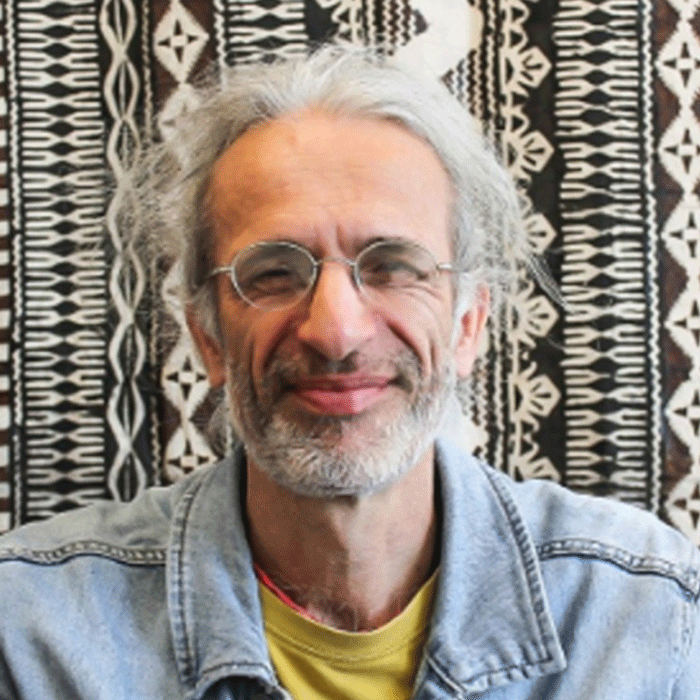
Istvan Csata
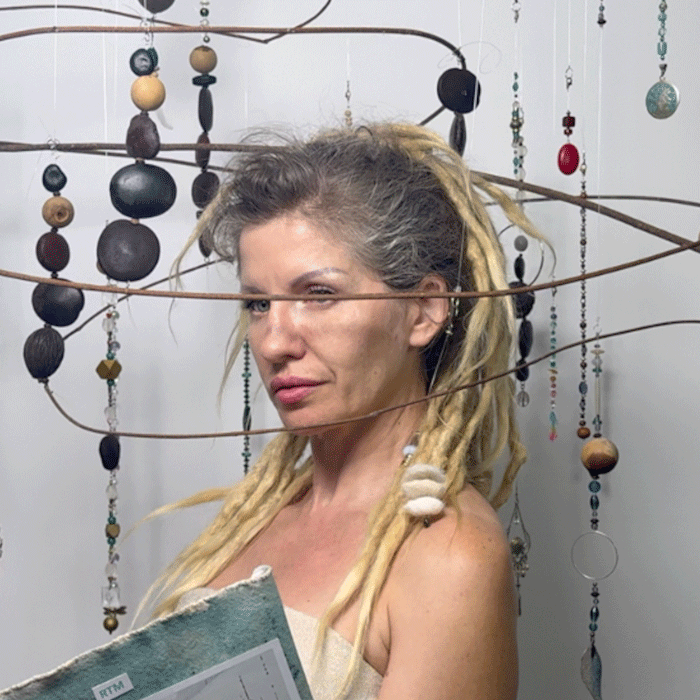
RTM
Wind whispered wisdoms: Hanging with the mundane to connect and de-anaesthetise – Deborah Green talks with Istvan Csata and RTM
JoCAT presents a spiralling conversational whirly-gig, tracking the irregular evolution of the reflective paper, ‘Hanging the Remnants: A reflection on the mundane’. Written and submitted by Istvan Csata, this work encountered RTM’s inventively invitational peer reviewing, incentivising JoCAT editor, Deborah Green, to make an unusual proposal... join these three as they playfully air this laundry in public. And remember, this podcast is part of a triad including the reflective paper, ‘Hanging the Remnants’ and RTM's creative response, ‘From peer reviewing to rubining: Staying present to invitational beauty’.
You can read Istvan’s Csata’s reflection here:
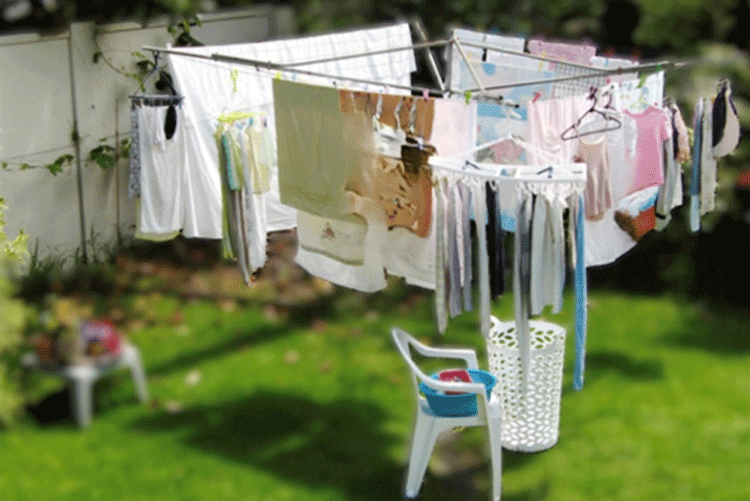
You can read RTM’s creative response here:
About Istvan Csata
Istvan is a multidisciplinary a(i)rtist, educator and registered arts therapist whose practice bridges education, psychology, and the creative arts. After earning a Doctorate in Political Science and Jurisprudence in Hungary, he expanded his expertise into philosophy, art, and alternative education. Following his move to Aotearoa New Zealand in 2006, Istvan completed a Clinical Master of Arts in Arts Therapy at Whitecliffe College. Istvan works extensively with neurodivergent children in West Auckland, utilising drama and other arts modalities to foster emotional attunement and inclusivity.
About RTM
RTM – a neurodivergent autoethnographic arts-based researcher, therapeutic arts practitioner, visual/performance artist–writer and current Professional Doctorate candidate. Their practice – Inquirism: emergent, heuristic praxis privileging felt sense, aesthetic resonance, and multiplicity over linear logic; Situates creative process as both method and modality for healing and knowing; Intermodally multi-modal, including (not limited to): photography, mark-making and creating body-of-work-entities resisting classification. Relational grounding – the body-of-work as collaborator, with Neurodivergence and Trauma treated as co-travellers, not problems to fix. Committed to: epistemic equality, recognising cognitive diversities as equally valid; Challenging ableist, positivist traditions; Making space for diverse ways of knowing and meaning-making.