

Open Access
Published: April 2026
Licence: CC BY-NC-4.0
Issue: Vol.21, No.1
Word count: 4,577
About the authors
How can the clown inform play in dramatherapy facilitation?
Drew Bird and Fabio Motta
Abstract
Using an autoethnographic framework, we two authors, a dramatherapist and clown mentor, share our learnings from creating a performance together. The importance of forging a playful dynamic with the audience was key to the rehearsal and performance process. The themes of the struggle between control and playful authenticity, simplicity through presence, learning to fail and openness as pathways to intimacy, play and co-creation were identified. We explore how a clown-informed performance deepened our understanding of dramatherapy, specifically the therapist’s use of playful self with group participants to create a facilitator-state.
Keywords
Clowning, autoethnography, playful relationship, performance, dramatherapy
Cite this articleBird, D. & Motta, F. (2026). How can the clown inform play in dramatherapy facilitation?. JoCAT, 21(1). https://www.jocat-online.org/a-26-bird
Listen to the podcast
Introduction
As co-authors – a dramatherapist and clown mentor – we have had a growing fascination with the importance of dual identities of performers and facilitators. The first author, Drew Bird, is a dramatherapist with long-standing experience as an actor and artist that has consistently informed his therapeutic work (Gersie, 2016). The second author, Fabio Motta, a clown, teaching artist and director of The Clowning Workshop in Melbourne, helped to guide Drew’s development as a clown-informed performer.
Over several decades of performing one-person shows, I (Drew) made many discoveries as a performer that have informed my professional development as a dramatherapist. This is not surprising, given that performing and facilitating both involve activating the imagination of the audience and group therapy participants. While some of my shows succeeded, there were many that did not appear to engage the audience.
Through working together, we came to recognise that theatre, like therapy, is dependent on a playful relationship (Winnicott, 2005). Our shared view is that a successful performance and supportive therapy both invite the audience and/or therapy participants into a playful relational field; consequently, Winnicott’s (2005) warning, that if the therapist cannot play they are not suitable for therapy work, deeply resonated with our collaboration (p.72). This insight led us to question and eventually understand potential obstacles that may hinder the development of a playful relationship in performance, and the way these obstacles might also mirror what occurs in dramatherapy facilitation.
The study teased out themes from the performance and rehearsal process, namely the struggle between control and playful authenticity, the power of simplicity through presence, learning to fail and relational openness as a pathway to intimacy and co-creation through play. The themes, when applied to dramatherapy, evidence a deepening of understanding of the links between the art form of clowning and how this can lend itself to facilitating a playful encounter within the therapeutic alliance with participants.
Autoethnography
Autoethnographic research can be seen as a reaction to quantitative and positivist approaches to research that can be oppressive, colonialist and inhuman. Autoethnographic research celebrates the ‘I’, recognising that personal differences matter (Adams & Ellis, 2012). Autoethnography explores an individual’s experience of a specific cultural context, “in order to better understand this culture” (Adams & Ellis, 2012, p.190). It is an autobiographical method that displays many levels of consciousness that connect the personal with the cultural: it addresses the dynamics between the intersection of self and other (Ellis & Bochner, 2003), as well as the insider and outsider (Anderson & Glass-Coffin, 2013).
As co-researchers, we deemed autoethnography a suitable methodology to study the intersection of the clown and audience dynamic, as it is dependent on the self and other relationships (Hernandez & Ngunjiri, 2016). Wanting to understand the culture of clowning and the dynamic between the clown and audience required us to describe and analyse personal experience (Ellis et al., 2011, p.1). We constantly reflected on the dynamic between the clown and audience, as this is key to a successful performance in clowning. Autoethnography encourages self-reflexivity (Adams et al., 2013, p.31) and the gathering of intimate personal data such as “memories, matter, blank spaces and hesitations” (Gannon, 2021, p.233). It is not a static process, but an active unfolding process to deepen one’s understanding of the self in relation to the cultural other. Our experiences as clown mentor and performer, devising, rehearsing and performing, were crucial in understanding our different subjective experiences.
The sharing of subjective experiences does have its critics, as it can be seen to be self-indulgent and narcissistic (Etherington, 2004). We acknowledge that an autoethnographic approach does have its risks, as the intimate and vulnerable nature of autoethnography reveals and makes the self visible, what “others might pathologise” (Etherington, 2004, p.142; Leavy, 2008).
Like all autoethnographic research, understanding from one cultural context may be applicable to another (Ellis et al., 2011). In the context of the current study, it involves applying our learning from clowning to a dramatherapy practice context. In this respect it links with Jones’ (2007) life/drama connection in dramatherapy, where the therapy participant applies their discoveries from the dramatic reality to everyday reality.
The performance and rehearsal process
The performance at the centre of our co-reflection took place in April 2024 in Naarm Melbourne, Australia, as a 20-minute performance in front of an audience of approximately 20 people. After this initial performance, we went through a period of questioning and deconstruction, further devising and rebuilding of the performance. Together we observed four overarching themes that clarified relational dynamics emerging between the performer and audience.
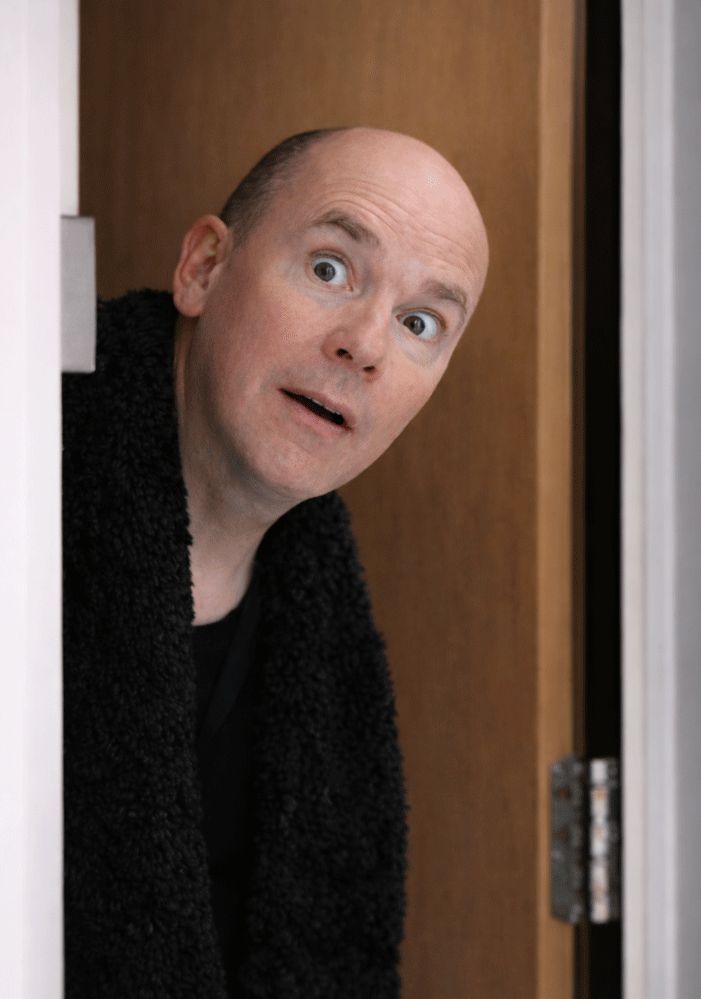
Figure 1. Playing with different entrances.
The struggle between control and playful authenticity
At the beginning of the performance Drew entered the stage wearing a black tee shirt, black trousers and black jacket. He presented in a formal manner, introducing himself as Dr Binky, which produced a few laughs. He went on to say he would soon be 60 years old and, having been a teacher for nearly 30 years, he felt it was time for a career change. He said he had worked at prestigious universities all over the world. He didn’t move much, tended to remain centre stage, and gestured with his hands. It was solemn, the audience quiet. The audience laughed when he said he had his own office, a microwave and a mug with ‘Dr Binky’ on it. He told the audience he wanted to become an actor and would offer them a demonstration of his acting skills. He requested that after the audience had seen his acting skills, they should vote on whether he should make a career change. The performer appeared formal, in control and had a teaching persona about them. However, when the audience started asking questions about the voting process, he felt somewhat disarmed, unprepared and flustered, and they found this humorous.
After this initial somewhat interactive development, there followed a phase of quiet. I (Fabio) noted that the audience’s sense of play, spontaneity and fun had diminished; that the playful rhythm had slowed down and the performer had drifted into his head in an attempt to regain control. The shift echoed Drew’s tendency to seek safety in scripted or rehearsed material when feeling vulnerable.
Following the performance, we reflected together that when the audience were more animated and engaged earlier in the piece, Drew was playing at the speed of fun, defined by Bayes and Scott (2018) as “when you play so quickly that your worry cannot keep up and there is no time to judge whether you are playing the game correctly or not” (p.21). When playing at the speed of fun, the performer is playing faster than worry and has no time to think, but simply plays. This kind of state is where the clown relinquishes control and becomes more authentic and open. Playing at the speed of fun helps to generate a clown state, which is not a technique, according to clown Angela de Castro, but “a state you put yourself in, to be able to play” (LeBank & Bridel, 2023, p.37). When the rhythm slowed, Drew’s preoccupation with correctness impacted on the relational contact with the audience. As fun and play can, however, also happen at a slower speed, the important factor is that the spirit of fun and play generates a state that is free from worry.
The pattern described above illuminated significant parallels with Drew’s facilitation background as a dramatherapist. We recognised how rigid adherence to a pre-planned workshop led him to ignore real-time shifts in participant energy, an echo of burying himself in scripted material. We jointly observed that these tendencies reflect deeper relational patterns and coping strategies within his family-of-origin dynamics.
Through our collaborative analysis, we agreed that the tracking of the audience’s responses and playing with them is much like attending to participants’ cues in therapy, taking risks by navigating uncertainty and ambiguity, being able to follow the client’s lead (Selekman, 2023). We concluded that playing at the speed of fun lends itself to being authentic, where the therapist is more personally involved (Rowan & Jacobs, 2002), facilitating intimacy, openness and a meaningful therapeutic alliance.
I (Fabio) reflected that when the performer explained to the audience that it was their decision to vote on his future, the seriousness of the moment lost them. There was a lack of fun for both the performer and the audience. I further commented that the material was not the problem, rather, it was the lack of play that caused the loss of fun in the audience. Drew’s all-black costume also did not lend itself to play, adding to the serious tone. A ridiculous costume would have helped to set up the creation of the play.

Figure 2. Dr Binky asks the audience to vote on whether he should become an actor or stay a teacher.
We also reflected that warm-up games in dramatherapy groups often proceed slowly and cautiously, with participants fearful of making mistakes. Together, we questioned whether Drew’s own caution might be subtly shaping this dynamic. He reflected on how the caution potentially emulated earlier relationship conditioning from his family of origin, that play was deemed inappropriate and not aligned with biblical values. He grew up in an atmosphere where play was deemed suspicious, rather than a resource. The Bible was interpreted as a strict, cold script to be followed, rather than encouraging a playful imaginative response.
In contrast, clown trainer Fusetti (2024) considers play as reinventing the world, rigorous fun, poetic and grounded in the joy of the beginner’s mind. Together, we reimagined how different a dramatherapy group session might look if a culture of ridiculousness was encouraged. The questioning helped inform Drew in taking more risks, experimenting in group facilitation, where there was more innocence in his playful approach, where he felt more guided by the art form, with less emphasis on psychological and psychotherapeutic frameworks.
I (Drew) reflected how I felt I had gravitated to a clinical identity, rather than an artistic one (McNiff, 1998), leaning away from the art form and succumbing to what Allen (1992) has called clinification. The art form of clowning had facilitated my own emotional health, returned me to my artistic roots and injected new energy into my dramatherapy practice. I reflected that there had been a returning of a soul and a belief in the transformative power of play that had been lost in my dramatherapy practice over the years.
The power of simplicity through presence
Our second theme explored the ways in which presence informed simplicity. After Drew had demonstrated his acting skills and the audience had voted in favour of him becoming an actor, he put on his glasses and picked up his jacket, ready to leave the stage. At the end of the scripted and rehearsed performance Drew was awkward in the role he played, lost and unsure of himself; the audience becoming more animated with questions, comments and laughter. Drew asked the audience if anyone would be his acting agent, which generated more laughter. I (Fabio) observed that this simple act, asking for help, heightened the vulnerability and intensified the contact with the audience.
Throughout our rehearsal process, I (Fabio) emphasised that presence, not performance, was the essential task. I encouraged Drew to be present with his emotions; neither pushing them away nor trying to make them into anything. I often iterated that being present and open to being seen by the audience was enough, rather than trying to create or force an emotional state.
There was a point in the show where Drew tried to force a dramatic moment. He enacted waiting for a bus by pacing back and forth, animatedly scanning his watch repeatedly in very dramatic fashion, immersed in the imaginary world. He made no attempt to look at the audience or contact them. The audience watched on in silence. It was as if contact with the audience had been severed, as Drew retreated into his own imaginary world. He continued in his dramatic endeavour, seemingly unaware of the audience’s lack of joy or pleasure in the play. This lack of audience involvement was in stark contrast to the livelier moments of the show, when he had invited the audience to play along. When Drew was present with his awkwardness, not knowing what to do, the audience appeared alive.
We discussed how the simplicity of just being in the present moment challenged ingrained beliefs of the performer wanting to try harder, to do more; how doing less was threatening and exposing. Michelle Matlock says that “clowning is about pulling back the curtains” and leaning into the reality that things are as they are, which is what makes clowning funny (quoted in Lebank & Bridel, 2023, p.159).
Fabio stressed the importance of being present with emotions, and how keeping the mouth slightly open helped with the breathing process and strengthened the emotions. As we explored this, I confronted my habitual avoidance of discomfort and paid more attention to my breathing and my emotions, both unpleasant and pleasant ones. During the rehearsal process he kept reminding me to breathe, calling out mid-improvisation, to help counter the tendency to suppress emotions.
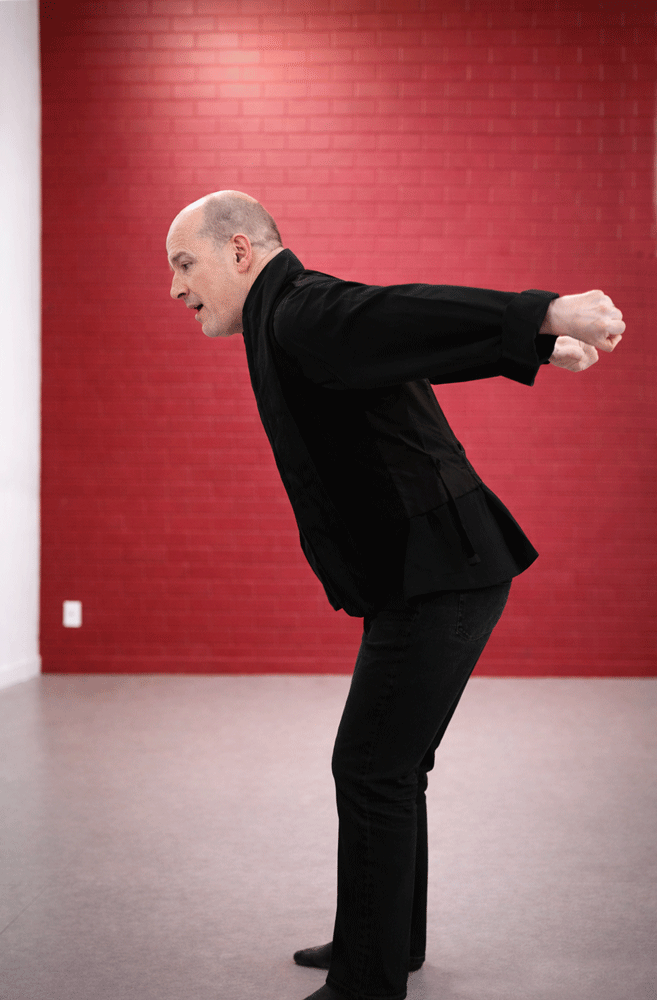
Figure 3. In clowning it is important to keep the presence in the body.
When Drew opened himself to feeling awkward and vulnerable on stage, his humanity became more visible to the audience. I noted qualities such as clumsiness, vulnerability and unguardedness that made the clown state so compelling. We recognised that clowning is about learning to play and embody tensions and paradoxes (Gordon et al., 2018), much like role theory’s assertion that psychological health is about tolerating conflicts, paradoxes and contradictions (Landy, 2009). “Whatever the clown does is in relationship to the audience and makes us feel something: humor, pathos, irritation, frustration, love and sadness” (E.G. Levine, 2004, p.192), which helps to generate presence and humanity.
Our reflections recognised my (Drew’s) tendencies towards an over-emphasis on technique in my facilitation work, impacting on the relationship with group participants, and consequently my presence. Ernesto Spinelli (2005) considers how overuse of technique in therapy can inhibit understanding the participant in the therapeutic relationship. Technique can be a place to hide in, a place of familiarity and certitude, a means to protect the therapist from vulnerability (Bird, 2019). Clarkson (2003) explores how the therapeutic relationship is informed by genuine understanding and trust, so the therapist is not merely a professional, but is cultivating an authentic human-to-human relationship. Clowning, like therapy, requires the therapist to break free from technique; ‘working alongside’ the participant has the potential for the dramatherapist to create presence as a therapist-attuned state.
I (Drew) reflected that the physicality that clowning emphasised offered me confidence in using more physical mirroring of participants’ non-verbal communication. By paying attention to the participants’ non-verbal cues, I was able to sustain my presence as a therapist and be more in my embodied experience, rather than in my head.
We reflected together how mirroring in therapy keeps both the dramatherapist and the participant in view, an important feature of autoethnography and play. Physical mirroring intensifies the connection of the relationship and demonstrates the therapist’s interest and willingness to join the participant’s world through the non-verbal communication.
Learning to fail
My (Fabio’s) emphasis on cultivating pleasure in play formed our third theme. Rather than encouraging the creation of a character, I guided Drew to access innocence, confusion and vulnerability (Landon-Smith & Motta, 2022). I was able to see the potential for play and pleasure in the performer, observing a connection and complicité with the audience in the performance.
We observed together that Drew often missed cues from the audience that signalled that they were ready to engage playfully. At one point during the performance, someone from the audience called out to say that he had accidentally stepped into the busy road. Drew ignored the comment, rather than playing along with the cue. This lack of attunement prevented a deeper complicité – a term championed by drama coach and mime Jacques Lecoq, indicating moments where there is an unspoken understanding between two or more people (Murray, 2003). In retrospect, we recognised how much joy the audience derived from participating in the drama, a joy Drew overlooked in the performance. He wasn’t attuned to what the audience were asking for and what they loved about what he was bringing to the stage (Landon-Smith & Motta, 2022).
We identified places in the performance where there were the potential beginnings of the pleasure of play. There was a moment in the performance when Drew shared that he would be developing a character who looked just like him – same height, same build, but different coloured eyes. There was some emerging laughter from the audience and the potential beginnings of pleasure, but the complicité with the audience wasn’t quite there, because Drew had not recognised his own joy in the play.
In rehearsals, a breakthrough occurred when Drew repeatedly used the word ‘unfortunately’. Failing to explain something unexplainable, he repeated the word over and over again, awkward about a difficult situation. What I (Fabio) articulated was that at this moment in the rehearsal the performer was staying with the problem, rather than trying to solve the problem, and this made it funny and playful.
The simple repeated play on the word helped Drew to commit to the problem, generating pleasure for us both that led to a shared moment of laughter and resonance. Its simplicity and spontaneity grounded Drew, revealing an embodied play state. The moment included physicality, ridiculousness and presence, three key tenets in clowning, according to Matlock (LeBank & Bridel, 2023, p.159), that lend themselves to finding the pleasure of play.
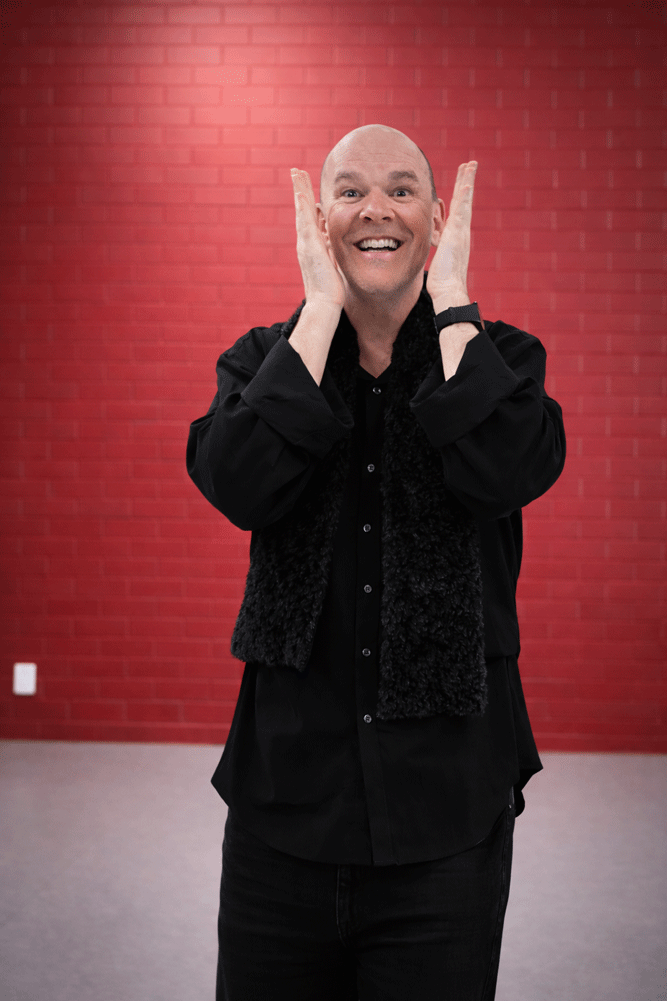
Figure 4. Learning to be an idiot increased the capacity for play and fun.
Together we observed how the discovery of the pleasure of play and innocence influenced Drew’s playful state. He became more comfortable with making mistakes, more willing to immerse himself in games, and more open to vulnerability and feedback from the me (Fabio). Learning to fail and stay with the problem is crucial in clowning. The audience loved the flop, and the clown’s “failure to complete tasks, failure to convincingly represent life, misunderstandings and clumsiness” (Amsden, 2017, p.129). Clown training is about being able to receive feedback about how unfunny they are (Amsden, 2017). Drew reflected on how challenging this was when offering up ideas to me that he thought were funny, but turned out not to be. This is usual in learning to be a clown, much like Phillipe Gaulier’s clown training, where students in one class were told how unfunny they were and playfully thanked for the awful moment (Amsden, 2017). Drew realised that the journey of becoming a clown through repeated failure was not personal but universal, helping to alleviate some of his shame and enable him to remain open, rather than closing down when another failure announced itself.
I (Drew) reflected on a significant experience when I was eight years old, when it was announced publicly in front of the whole class that I was the only one to fail my cycling proficiency test. In many ways it was a defining moment of my life, a shameful experience that fueled the desire to succeed and avoid future failure. Fast-forward nearly 50 years, and I was presenting a solo performance at the end of a European dramatherapy conference. The hall held over 100 eager people in the audience, esteemed colleagues, students and young children. Five minutes into the dramatisation of the myth of Psyche and her sacrifice to a monster, parents grabbed their children’s hands and quickly escorted them out of the space. As the performance continued, more members of the audience left. Undeterred, I carried on regardless, taking comfort from a few isolated laughs from well-meaning students I had taught. The performance was meant to be darkly funny, but the humour was lost on the European audience.
Both experiences had been humiliating for Drew. We reflected together on how these defining experiences had been pushed away to manage the uncomfortable experience. Yet, had Drew been able to respond to the departing audience and acknowledge what was happening, the moment could have generated humour and fun. We further reflected on how we are conditioned as a society to avoid failure, to react to it, rather than respond. Embracing failure, even cultivating it, in clowning felt subversive and undermining of the socialised self. Drew reflected that a large part of his life was built on defending himself from failure. Clowning was, however, undoing and de-conditioning this learning to protect himself from a fear of failure.
I (Drew) reflected that the discovery of pleasure in my play changed when facilitating games in groups, permitting myself to make mistakes, consequently helping me be more myself, and less performative as a facilitator. By not being so fearful of failure, I was able to become more comfortable taking risks and create a permission-giving atmosphere in the group by embracing imperfection and a shared humanity. Expressive arts therapist Ellen Levine (2004) considers how “clowns can shake up our usual notions of how the world is organised, and they can show us that another way of being is possible” (p.193), that cultivating a new relationship with failure can bring about freedom and new self-expression.
I (Drew) questioned my practice and whether I permit participants to stay with their problems, or whether I tend to rescue participants from this experience. Clowning helped me become aware of the potential for joy in playing with the problem and creating opportunities to help participants come more into relationship with their own conflict, deepening understanding and activating internal resources for the participants. It felt like a whole new avenue in my dramatherapy practice was opening up from my understanding of clowning and how, in finding pleasure in failure, we can “bring a new perspective to our suffering” (E.G. Levine, 2004, p.192).
We concluded that clowning and autoethnography make the unsocialised self more visible by eschewing niceness and social masks. The socialised self “block(s) thought and emotion”, allowing one to hide behind the mask of social niceness and blocking the capacity to be curious and imaginative, and listen to the world (Bayes & Scott, 2019, p.38). Of course, we all have the capacity to hide behind everyday roles and personas, but autoethnography celebrates the marginalised and society’s unacceptable parts of the self, all of which have the potential to be resources for fun and play. Drew reflected how he tended to present himself as nice, and how this may have inadvertently limited his capacity to facilitate group play, which can be messy and dark. By embracing his own humanity, joy and imperfections, he created the potential to expand participant engagement.
Relational openness as a pathway to intimacy, play and co-creation
Throughout our collaboration, we returned repeatedly to the relational foundation shared by clowning, autoethnography and dramatherapy. Each requires a willingness to be affected by the other. My (Drew’s) significant insight emerged not only through the audience–performer dynamic, but also in the mentor–performer relationship. Learning to trust Fabio’s wisdom and experience was a slow process of unfolding; there was one standout moment in rehearsals that provided a significant step in building trust. I presented some new material I had been working on, where I imagined myself floating up into the sky with wings and looking down on the world below. Unlike previous times when I had presented these ideas, Fabio did not laugh. After the presentation, he commented that I was trying to be interesting, rather than being interested in my audience of one. I realised that trying to be interesting was an attempt to seek Fabio’s approval and please him. Wanting to please was going to significantly impair my capacity to develop a playful relationship with him, given the importance of freedom and spontaneity in play. So, with some trepidation, I started to risk not pleasing Fabio in future rehearsals. I reflected on how I shifted my gaze away from myself and towards him, which had a liberating effect on my play, but also on the relationship with him. There was a sense that the developing performance was a shared venture and co-construction, as opposed to a solitary show. I reflected on how the increased personal investment by Fabio demonstrated his interest in me and increased my confidence in the relationship.
I (Drew) reflected on my practice, paying more attention to the nuanced non-verbal signals of the groups I was facilitating. I recalled a moment when I observed a participant’s energy in their moving fingers, when the rest of their body disengaged, and how my mirroring the participant’s finger movements helped to generate his interest and curiosity, and build a connection with him. I recalled the importance of the therapist being able to bring participants into a playful encounter in therapy. Putting the focus on the participants also released my sense of play, freedom and spontaneity, loosening in a small way my attachment to self-interest. Together we reflected on the importance of being sensitive and responsive in playing with participants, aware that play is full of risks, moving us from the familiar to the unfamiliar, taking us out of our comfort zones (Gammage, 2017).
Play and risk are often characteristics of autoethnography. Like the clown’s relationship with the audience and the dramatherapist’s relationship with participants, it is an interaction of experiences of self and others that makes for intimacy (Anderson & Glass-Coffin, 2013). Examining the marginal and unexplored aspects of the self, which is key in autoethnography (Hernandez & Ngunjiri, 2016), is not risk free, as others can pathologise (Leavy, 2008). And yet, making the self transparent, as intimate as that is, has the potential to help others to share their story, as our stories do not exist in isolation (Anderson & Glass-Coffin, 2013).
Conclusion
While we were aware of the potential connections between clowning and therapy, given that play is crucial to both, there was something about discovering the links in a personal way that deepened our understanding of these resonances.
The struggle between control and playful authenticity was a dominant theme throughout. I (Drew) repeatedly shifted between a controlled, prepared, formal ‘teaching’ mode and a more open, spontaneous, relational, playful clown state. Playing at the speed of fun in clowning helped to alleviate clinging to the script and develop an authentic presence and respond to cues in the audience. In a similar, way I was able to recognise that clinging to workshop plans didn’t lend itself to attending to participant cues that could contribute to developing a playful therapeutic relationship.
In the second theme, we discovered how the power of simplicity helped to generate presence and connect me with my emotional and embodied state. By remaining open and vulnerable, I (Drew) developed a more authentic and human presence to connect with participants.
The third theme was recognising the importance of learning to fail in clowning and the potential for shared joy in mistakes. I (Drew) was able to see how my own fears of failure and guards against imperfection may have contributed to a group therapy culture that was not as permission-giving as it could be.
The fourth theme was about relational openness, and being sensitive and responsive to the changes in the audience’s experience. In a similar vein, developing a playful relationship helps to forge a therapeutic alliance so participants can express their pain and suffering.
Clowning, therapy and autoethnography share the importance of relationship, and how a deepening of understanding of this dynamic can be transformative. Butler (2005) notes that being “in relation to others constitutes our very chance of becoming human” (p.136). The dramatherapist, like the clown and the fool, must be willing to play with human frailties and ruptures, such as failure, to help others give expression to their pain and suffering (S.K. Levine, 1977).
References
Adams, T.E., & Ellis, C. (2012). Trekking through autoethnography. In S.D. Lapan, M.T. Quartaroli & F.J. Riemer (Eds.), Qualitative research: An introduction to methods and designs (pp.189–212). Jossey-Bass.
Adams, T.E., Holman Jones, S., & Ellis, C. (2013). Introduction: Coming to know autoethnography as more than method. In T.E. Adams, S. Holman Jones, & C. Ellis (Eds.), Handbook of autoethnography (pp.17–47). Routledge. https://doi.org/10.4324/9781315427812
Allen, P. (1992). Artist-in-residence: An alternative to ‘clinification’ for arts therapists. Art Therapy. Journal of the American Art Therapy Association, 9(1), 22–29. https://doi.org/10.1080/07421656.1992.10758933
Amsden, L. (2017). Monsieur Marcel and Monsieur Flop: Failure in clown training at Ecole Philippe Gaulier. Theatre, Dance and Performance Training, 8(20), 129–142. https://doi.org/10.1080/19443927.2017.1316304
Anderson, L., & Glass-Coffin, B. (2013). I learn by going: Autoethnographic modes of inquiry. In S. Holman-Jones, T.E Adams & C. Ellis (Eds.), Handbook of autoethnography (pp.57–83). Left Coast Press Inc. https://doi.org/10.4324/9780429431760
Bayes, C., & Scott, V. (2019). Discovering the clown, or the funny book of good acting. Theatre Communications Group.
Bird, D. (2019). How can arts-based research in dramatic performance illuminate understanding of the therapeutic relationship? Drama Therapy Review, 5(2), 279–292. https://doi.org/10.1386/dtr_00007_1
Butler, J. (2005). Giving an Account of Oneself. Fordham University Press. https://doi.org/10.2307/j.ctt13x01rf
Clarkson, P. (2003). The therapeutic relationship (2nd ed.). Whurr.
Ellis, C., Adams, T.E., & Bochner, A.P. (2011). Autoethnography: An overview. Forum: Qualitative Social Research, 12(1), 273–290. https://doi.org/10.12759/hsr.36.2011.4.273-290
Ellis, C., & Bochner, A.P. (2003). Autoethnography, personal narrative, reflexivity. In N. Denzin & Y.S. Lincoln (Eds.), Methods of collecting and analysing empirical data (2nd ed.) (pp.733–767). Sage.
Etherington, K. (2004). Becoming a reflexive researcher: Using ourselves in research. Jessica Kingsley.
Fusetti, G. (2024). Unfolding the pedagogic spiral: The vision of helikos pedagogy. Giovanni Fusetti. https://giovannifusetti.com/wp-content/uploads/2024/05/unfolding.the_.pedagogic.spiral.pdf
Gammage, D. (2017). Playful awakening: Releasing the gift of play in your life. Jessica Kingsley.
Gannon, S. (2021). Sketching subjectives. In S. Holman-Jones, T.E. Adams & C. Ellis (Eds.), Handbook of autoethnography (pp.228–243). Routledge. https://doi.org/10.4324/9780429431760
Gersie, A. (2016). Dramatherapists believe they must be both artist and therapist. In S. Jennings & C. Holmwood (Eds.), Routledge international handbook of dramatherapy (pp.67–76). Routledge. https://doi.org/10.4324/9781315728537
Gordon, J., Shenar, Y., & Pendzik, S. (2017). Clown therapy: A drama therapy approach to addiction and beyond. The Arts in Psychotherapy, 57(2018), 88–94. https://doi.org/10.1016/j.aip.2017.12.001
Hernandez, K.A., & Ngunjiri, F.W. (2016). Relationships and communities in autoethnography. In S. Holman-Jones, T.E. Adams & C. Ellis (Eds.), Handbook of autoethnography (pp.262–280) Routledge. https://doi.org/10.4324/9781315427812
Jones, P. (2007). Drama as therapy. Routledge. https://doi.org/10.4324/9780203932902
Landon-Smith, K., & Motta, F. (2022). Seeking complicité, the pleasure to play and a clown state as an integral part of actor training in the work of Kristine Landon-Smith and Fabio Motta. Theatre, Dance and Performance, 13(1), 159–161. https://doi.org/10.1080/19443927.2022.2033455
Landy, R. (2009). Role theory and the role method of drama therapy. In D. Johnson & R. Emunah (Eds.), Current approaches in drama therapy (pp.65–88). Charles C. Thomas.
Leavy, P., (2008). Method meets art: Arts based research practice. Guilford Press.
LeBank, E., & Bridel, D. (2023). Clowns: In conversation (2nd ed.). Routledge. https://doi.org/10.4324/9781003202820
Levine, E.G. (2004). The practice of expressive arts therapy: Training, therapy and supervision. In J.K. Knill, E.G. Levine & S.K. Levine. Principles and practice of expressive arts therapy: Toward a therapeutic aesthetics (pp.171–255). Jessica Kingsley.
Levine, S.K. (1977). Poiesis: The language of psychology and the speech of the soul. Jessica Kingsley.
McNiff, S. (1998). Art based research. Jessica Kingsley.
Murray, S. (2003). Jacques Lecoq. Routledge.
Rowan, J., & Jacobs, M., (2002). The therapist’s use of self. Open University Press.
Selekman, M.D. (2023). The therapist’s use of self: Being the catalyst for change in couple and family therapy. Routledge. https://doi.org/10.4324/9781003334460
Spinelli, E. (2005). The interpreted world: An introduction to phenomenological psychology (2nd ed.). Sage.
Winnicott, D.W. (2005). Playing and reality. Taylor and Francis.
Authors

Drew Bird
PhD, MEd, PGDipDTh, BSc (Hons), DipSw, AThR, HCPC
Drew has been a dramatherapist for over 20 years. He is currently Associate Professor and Head of Creative Arts Therapies at the University of Melbourne, Australia. He was editor of the British Association of Dramatherapists Journal from September 2020 to March 2023. Recent research interests and publications have focused on autoethnography, arts-based research and clowning as a means to deepen understanding of the art of facilitation. He presents at conferences internationally. Drew’s background is in working with children and young people who have experienced trauma, adult mental health and community work.
Email: drew.bird@unimelb.edu.au

Fabio Motta
GCertHELT, VASTA
Fabio is an award-winning performer, director and teaching artist based in Naarm Melbourne, Australia. He has had the fortune of performing and devising shows in Australia, Europe, and the United States. In Melbourne, he is the Founder and Director of The Clowning Workshop, a school dedicated to disciplines such as clowning, commedia dell’arte, voice, mask work, and related disciplines. As a freelance educator, he has taught workshops at various theatre companies and institutions in Australia and around the world. Fab lecturers in at Theatre at the University of Melbourne.