

Open Access
Published: October 2026
Licence: CC BY-NC-4.0
Issue: Vol.21, No.2
Word count: 3,548
About the creator
From peer reviewing to rubining: Staying present to invitational beauty
RTM
Cite this creative contributionRTM. (2026). From peer reviewing to rubining: Staying present to invitational beauty. JoCAT, 21(2). https://www.jocat-online.org/c-25-rtm
Read the reflection here:
Laundry on the line
accidental happenings contribute
sculptural shape rotating
gets my attention.
Populating space notice the sensory
childlike intrigue.
Spontaneous play between
fascination leads to artwork
hanging in the air.
Urges me to look
at what experience means
deeper and deeper
with the more-than-human
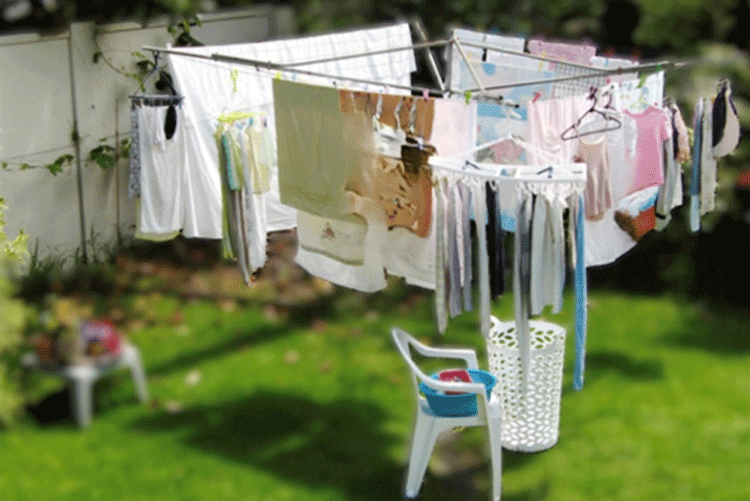
The words in the poetic forming are not mine; they are words of others that resonated within me. They were spoken by Istvan Csata and Dr Deborah Green during the podcast conversation recorded as part of this colourful and relational collaboration (Green, 2026).
The poetic forming put its hand up to greet you as you enter, dear reader, and I thought, “what a lovely idea”, as the words do capture a something that encompasses this collaborative collection.
I am aware no clarity or explanation has been offered yet, and I thank you for your patience with me in this. I will do my best to walk you through.
AND
I wholly invite you to put aside notions and expectations of what arts-based research literature “should” be and soften into the curious, sometimes ambiguous and disorientating, unfolding that follows.
You see, dear reader, I am better at showing than telling, and any ambiguous or disorientating moments you may experience accurately reflect what engaging in, and explicating, inquiry can be like for me.
Are you ready? Comfortable and settled in?
Okay then, let us begin…
An approximation of orientation
The words “staying present to invitational beauty” in my title are not mine alone. They formed from Csata’s (2026, para.10) account of staying present to the “invitational beauty” of everyday life. Csata, in turn, draws “invitational beauty” from Knill et al. (2005, p.70) .
🤓 I hear you, dear reader, and I know! Articles in a journal rarely begin like this. Usually articles greet you with an abstract, not a poetic forming. However, as the entirety of this creative endeavour deviates from what is usual, I saw no good reason to squish this delightfully non-usual into usual.
🤓 I know, I know. I’ve still not explained this “rubining”. All in good time.
This creative inquiry is one part of a triad. I cannot be sure in which order you will encounter and engage with the three parts, so, in case you have found yourself here before meeting the others, let me briefly introduce them.
This side-quest was created from and inspired by my invitation to peer review Istvan Csata’s ‘Hanging the remnants: A reflection on the mundane’, and by the irregular proposition that followed. It accompanies that work, offering a glimpse behind the scenes of the shift from peer review to rubining.
‘Hanging the remnants’, also published in this issue of JoCAT, is the main event. The third participant in the triad is ‘Wind whispered wisdoms: Hanging with the mundane to connect and de-anaesthetise’, a conversation between host Dr Deborah Green, Istvan and me.
This is a layered, multimodal sharing of my experience. We will begin with a showing of my peer-review process, then move into an email exchange between JoCAT’s coordinator, Vic, and me, where an irregular invitation changes the course of events. From there we enter a poetic forming made from keywords spoken during my first meeting with Istvan. We will then encounter words more academic on washing and the mundane before wandering down a rambling rabbit hole.
Sounds clear and straightforward, right?
🤓 Sequencing, linearity, and order aren’t quite my thing. This serves as an attempt at mediating between my disability and your readability.
Listen to the podcast here:
Artist’s statement (rather than abstract)
Istvan’s ‘Hanging the remnants: A reflection on the mundane’ offers opportunities for de-anaesthetising and finding grounding (Csata, 2026; Knill et al., 2003). My accompanying side-quest, created alongside Istvan’s article, shows what becomes possible when epistemic diversity is welcomed and relationality enters academic rigour. It does not reject anonymous peer review; it asks what may emerge when the personal, human and creative enter alongside it. Through collaboration and communion with human and more-than-human others, I was changed, enriched and nourished. My heart smiled as Hanging Remnants’ potential was actualised. I carry with fondness my time with Istvan, Deborah, Vic, Wind and Sunshine.
Keywords
arts-based research; relational peer review; epistemic diversity; more-than-human relations; creative collaboration; mundanity; creative arts therapy
The peer review process
I received an email inviting me to peer review an article. This would be my first time, and I was looking forward to meeting the experience. I engaged with work from the following perspectives: as a peer reviewer, as an arts-based researcher within therapeutic arts practice, and as a curious human reading an article. Yet ultimately, the lens that helped me see what was held within and between the words was my own worldview on, and collaborations with, the more-thanhuman.
Figure 1 shows the article as I first received it.
Figure 1. RTM, The article received, 2026, digital image.
Note: Adapted from Csata’s submitted, unpublished manuscript.
🤓 Okay, it didn’t quite look like this. I’ve squished seven pages into two columns on one page and blurred the text and images. This blurring is intentional. The words aren’t the point; the purpose of the images is to show the format/style/look/shape/form/feel. It is about showing the how, and for me, how is always felt and visual. This blurring is carried across four of the five images included.
Figure 2 shows how the article looked after my engagement with it. Again, I have squished seven pages into two columns on one page.
Figure 2. RTM, The article after RTM’s engagement, 2026, digital image.
Note: Adapted from/diffracted with Csata’s submitted, unpublished manuscript.
Figure 3 shows an image of a normative peer review I myself had received. Again I have taken the original document and squished its pages down into two columns on one page, even though it was only a one-page document to begin with. Why? Because the difference between this and what I submitted is expressed best through imagery rather than words.
Figure 3. RTM, A more usual review, 2026, digital image.
Note: Adapted from RTM’s personal archive.
I was unsure how to take my suggestions and feedback and format a normative looking peer review document.
So I did not.
Albeit after much wrestling and contorting and stressing.
Instead I allowed myself to do it how I felt able to, rather than adhereing to what I perceived as being expected.
Whilst yes, peer reviews are sometimes accompanied by an annotated copy of the article reviewed, I did not want to assume that the author had access to PDF software capable of displaying annotations. I have not always been able to. Plus, annotated PDFs do not allow me the same aesthetic joy and visual communication. Figure 4 shows the submitted peer review. This time 19 pages were squished into four columns on one page.
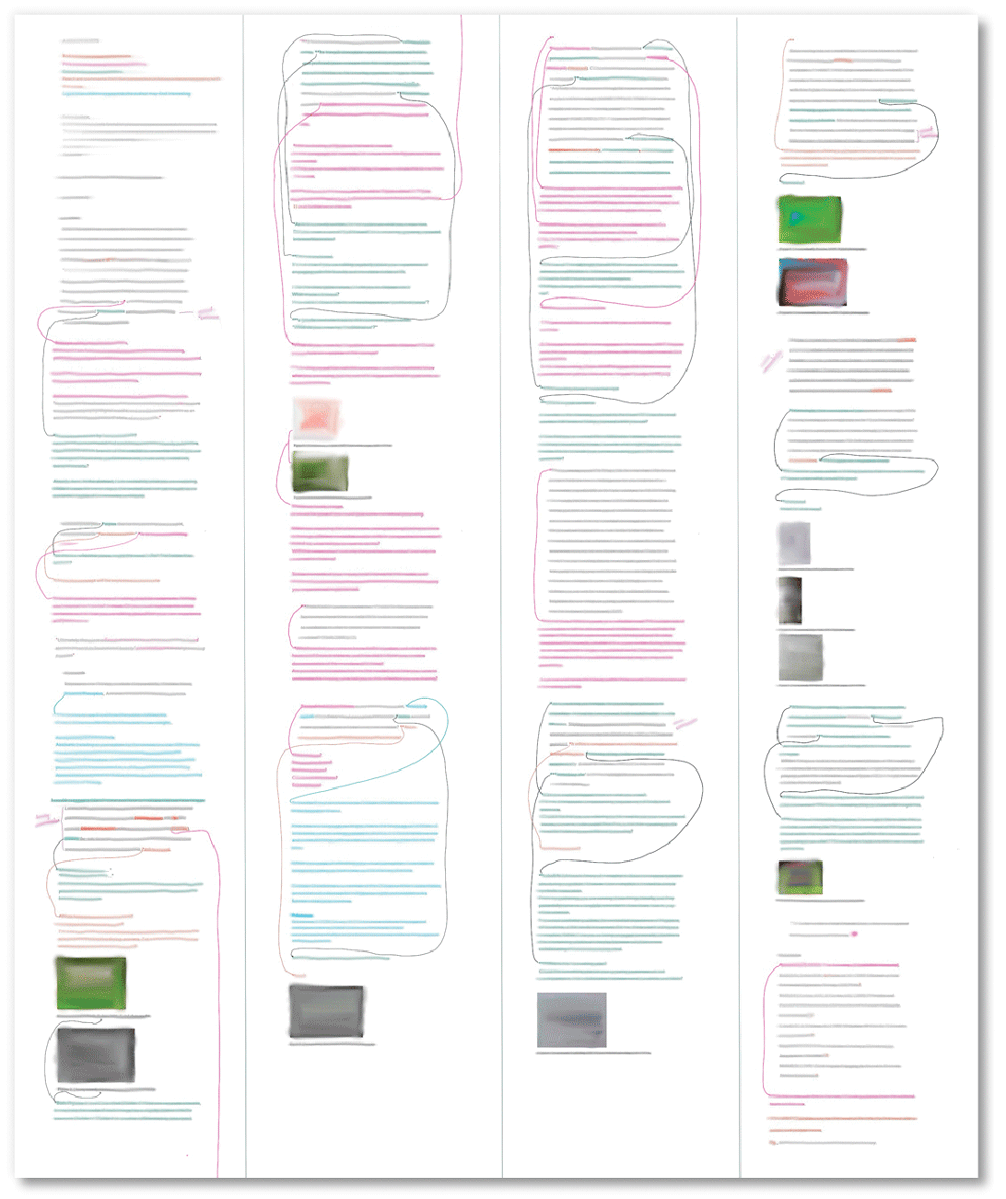
Figure 4. RTM, The submitted peer review, 2026, digital image.
Note: Adapted from/diffracted with Csata’s submitted, unpublished manuscript.
Even though the peer review process is an anonymous one, I could not suppress my relational urges. Figure 5 shows words included at the beginning of my peer review submission. We can see I offer a key of how to navigate the document, along with a personal note.
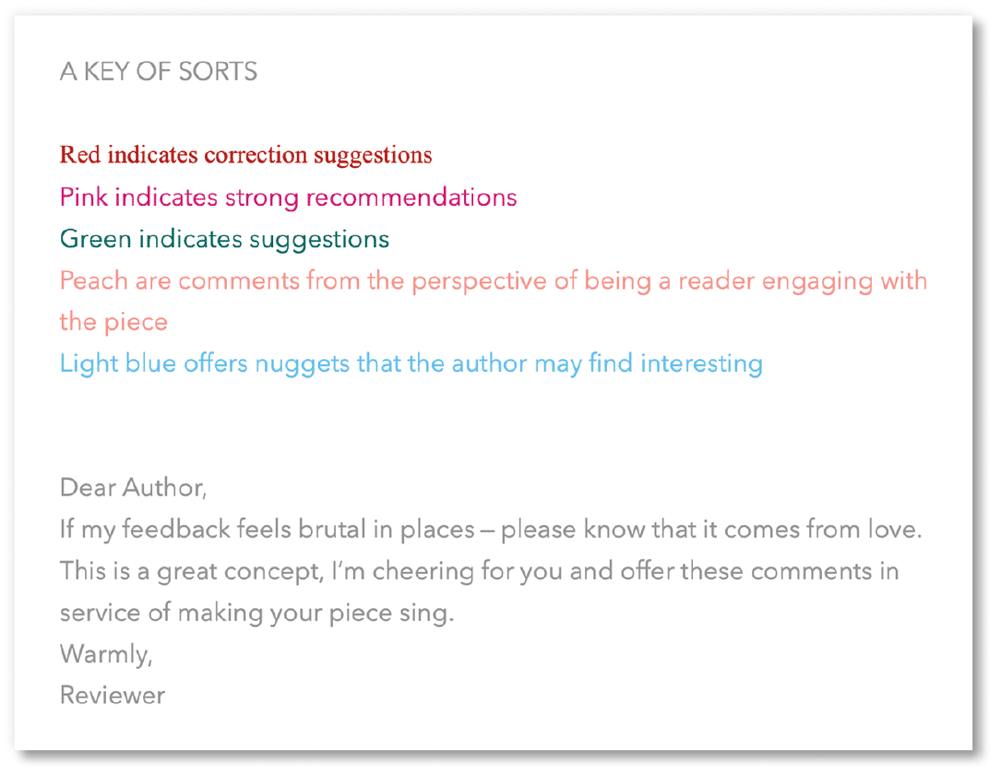
Figure 5. RTM, Relational attunement resists suppression, 2026, digital image.
After clicking ‘send’ on my submission, my internal natterings and nauseated stomach envisaged my name being removed from the pool of viable peer reviewers.
The emails
What happened after I pressed send shifted this from an anonymous review process into something unexpected and relational. Below is the email exchange between JoCAT’s co-ordinator, Vic, and me.
11.03.2026 RTM to Vic
Naturally the feedback is not quite regular in its format, however, I genuinely tried to offer what might be useful… … I would definitely recommend my feedback be looked at before being given to anyone, just in case it’s a bit too much “RTM uncensored”
26.05.2026 Vic to RTM
We have an irregular proposition to make to you… the editor looking after this paper, loved the feedback you gave and knows that the work will be so much stronger if the author can fully engage with your critique. And here is the irregular bit – she is suggesting that we open it up and introduce you to the author so that you two can engage on this together.
27.05.2026 RTM to Vic
You had me at irregular proposition. My thoughts are yes, open I am … You’ll need to let me know the contextual container of my role in all this, so I don’t over or under step my bounds. I look forward to seeing what emerges
02.06.2026 Vic to RTM
Great you are open to this creative conversation you will have… Let’s apply a fluid very CAT kind of approach to it eh.
02.06.2026 RTM to herself
😳
😲
💡 💡
💡 💡 💡 💡 💡 💡 💡 💡
💡 💡 💡 💡 💡 💡 💡 💡 💡 💡 💡 💡 💡 💡 💡 💡 💡 💡 💡 💡 💡 💡 💡 💡 💡 💡 💡 💡 💡 💡 💡 💡 💡 💡 💡 💡 💡 💡 💡 💡 💡 💡 💡 💡 💡 💡 💡 💡 💡 💡 💡 💡 💡 💡 💡 💡 💡 💡 💡 💡 💡 💡 💡 💡 💡 💡 💡
Despite the explosion of possibilities swarming in my mind without a contextual container to direct the flow, the proposition opened the door to my first creative conversation with Istvan; what follows formed from the words I carried away from that meeting.
A poetical forming of keywords
My head was full of possibilities and ideas. I entered the online room to meet with Istvan for the first time as a sizeable burst of intensity and passion, words blurting out in rapid fire. It was afterwards, while going through the many pages of keywords I had scrawled and captured, and reflecting on the human I had seen before me, that I could finally see this was not about me and my fantastical ideas. This was about honouring this deeply gentle, beautiful soul before me and assisting the creative work that wanted to be – to become – with the clarity it needed to realise its fullest potential.
AND
A valued peer reminded me I wanted to rubin, and to remember what that means. Remove all that is unnecessary, clear the clutter and noise, refine, amplify, and clarify, so that the creative work can actuate its fullest potential.
AND
I could not slam the door in the face of my inner Child’s enthusiastic curiosity to explore, so I offered it a side-quest – to create alongside.
🤓 dear reader, you may be wondering, “Rubin? Rubining????” Whilst I don’t want to take over this story by going too deep into it, I am inspired by producer Rick Rubin. His book, The Creative act: A way of being (Rubin, 2023), is a read I highly recommend.
🎨 “Whoa,” I hear some of you say. “Rick Rubin?!
That’s not what – or who – I was expecting.”
This is fair. You may, quite reasonably, have been expecting Judy Rubin.
Whilst for me Rubining is anchored in facilitating creative expression’s voice to sing, Judy Rubin is an equally worthy inspiration from the field of art therapy. If you’ve not yet encountered this pioneer, I recommend the Therapist Confidential episode “What Words Can’t Reach: Judy Rubin on the Spirit of Art Therapy” (Heath, 2025) as a lovely way to meet Judy and learn about her extensive history and influence in the field of art therapy.
The poetical forming from the first Csata–RTM creative conversation
Denotes words spoken by Istvan (as noted by RTM)
Denotes words spoken by RTM
Drawn away
with me my home place
not far away
summer holiday
free time
Back to work
trying to find grounding
five different dimensions you suggest
I asked:
What is my position, to have any kind of knowing about what is in your paper?
Why am I here?
What is it that my eyeballs and sensibilities are being asked to see?
That's when I really leaned in
and saw there was lots of wonderful to see.
I know I am meant to just do this and this
Yet, I couldn't just do this and this
Not a normal peer review response.
Yet, it is what I needed to offer back
As a writer, you don't often get multi-layered/multi-perspective feedback.
I looked through:
arts-based research glasses,
art therapy glasses,
and through the glasses of a reader.
Appreciated
Personal
Extensions and interesting directions.
Nice questions asking me to expand Expand EXPAND
depth, curiosity, and inspiration
limbo life, full-time work
dedicated to my own thinking and writing
early rising to make time
curious about getting through process
My journey so far with it has been…
Mundane
Photo-documentation modality
I’ve an entire folder entitled “snapshots of mundanity”
mundane moments, so full…
then you brought the washing in
Washing, it’s been used a lot by female artists over time
Even if it has been done many times before, I like it when someone comes to/
arrives at something themselves
I think that's fascinating
For purpose of the article, a sentence or so acknowledging previous explorations
may be warranted
but
stating this is how you came to know it on your own.
this way it tucks it away
ticking boxes
Speak to it, not explore into it.
That's not where your work is.
It’s not about washing in the way others have used it before
rugged material
not properly handled
on the washing line
a usual argument with my partner
she asks me to shake it
I mostly ignored this. She was adamant.
a noticed difference
Shaking four times, the tactile sensation – different once dry.
the texture – more soft.
Another rabbit hole of mundane and sensory exploration.
Yes, and engaging with the more-than-human!
a sensory interaction with Sunshine
which heats up the sheets, not just drying,
releasing the fragrance that you're smelling
mediated by sunshine and wind
That is present in your work (the paper/article)
posthumanist
there's more than just humans that we are interacting with at all times.
Personally, I have found good grounding practices can come from not just humans,
but being in relationship with the ground, with Earth itself, or with the mundane
tasks and moments.
They can help soothe our nervous system.
Relational in sense
these not particularly human resources
relational in an ontological/philosophical sense,
in that existence – just being a person – is relational.
We are in relationship with the air we breathe.
We are in relationship with everything
Recognising it’s broader than just our human selves
we can turn to these non-human others to regulate, to connect.
Lazy wording, traditional art, cognitive dissonance
working with dramatherapy, that’s clearer
being away from my role
storytelling
in context
lazy wording needed more scaffolding, more explanation, more context
In my experience, it takes another set of eyeballs to see those things.
I don't see them myself in my own writing.
Obvious
commonplace
Art within a research framework
asking for clarity
to relate images
embed in text.
Just be
Hanging there.
Doesn’t come naturally
narratives around my own images,
not because of language, other stuff.
I struggle as well, with sequencing and narrative.
Say “I'm not following rules here. I'm doing it for this reason and I know
it’s not how it’s normally done”
Most things are okay as long as you speak to it and explain why you’re doing it the
way you are doing it.
Most of your images though, I feel will be simple to anchor into the text.
On a staircase I can step up
like a first image
I can explain easy
do you have the same washing lines?
Big wash, full line
You go in, it’s like a tent
My daughter, she comes along. We talk about things.
It is an enchanted place.
Easy for me.
Mundane experiences going there
full coloured with fresh smell
…A shelter.
“It’s an enchanted space”
I felt that. I understood what you meant
A stepping away from the external world into an enchanted fresh scented otherworld
intimacy.
The other review, the end, abrupt and asked for more.
I finished
with expansive experience
Personal
with Sky
and Earth
and In-between
Humans, standing.
The washing, an anchor in the moment.
I'm not sure how to go further.
Look at my articles for permissions on how you can do things that are not normal.
I am terrible at writing conclusions so I do not write normal conclusions.
I state that I’m not offering a normal conclusion though.
You do not need a normative conclusion if it doesn’t feel right for you
Or, we can workshop coming to a normative conclusion if that is what you’d like
My invitation:
Do not be boxed in by expectations of how things are normally done.
Do it in ways that feel right for you, rather than you trying to squish into the system.
How/where are you with time?
Fresh eyed
Happy to work on this
Two weeks of holidays.
I will work on this.
This will be enjoyable.
Expand,
the artistic.
My invitation:
what really grabs you — draws you in or repels you away.
See what is saying something to you, that you can feel in your body.
See where you are, no expectations.
What is alive, and what isn’t
A sentence or so acknowledging pre-existing ventures into the mundane and laundry
For the purposes of this conversation, the scope has been limited to arts-based research and CAT
I read Haagensen’s (2021) ‘Cleaning in progress’: The line between art and life as exploring the blurred line between art and everyday life through an autoethnographic, multidisciplinary practice centred on everyday domestic acts like washing, sweeping, and tidying to unsettle assumptions about what counts as art, what holds value, and where the mundane meets the sublime.
AND
For me, Tufnell and Crickmay (2004) ground creative exploration in everyday embodied activities.
WHILE
I understand Spinelli (2005) and Finlay (2011) as using mundane embodied activities (washing dishes, washing hands) to illustrate the natural attitude, bracketing, or pre-reflective experience.
WHEREAS
Through photography and arts therapy practices, Csata (2026) explores engaging with the mundanity of – and the more-than-human relational encounters within – hanging out laundered linens as a sensory grounding practice and portal to enchanted other-worlds.
RTM’s rabbit hole ramblings
The natural attitude:
The default way we move through the world, taking things at face value, assuming the world is as it appears, not questioning the nature of our experience. When we wash our hands, in the natural attitude we’re just washing our hands. The water is warm, the soap lathers, hands are getting clean. We do not pause to notice the layers of that experience – the temperature shift on skin, the way attention drifts, the sensory quality of the water’s pressure, the fragrance of the soap, what "clean" actually feels like as a felt-sense rather than a concept. The natural attitude is functional and necessary, but it also means we pass over enormous amounts of lived experience without noticing it.
Bracketing:
The deliberate move to suspend that natural attitude, to set aside assumptions, explanations, taken-for-granted meanings, ideas, known knowings, so you can attend to the experience itself as it presents
🤓 with a dash of wonder and awe even
It asks for a suspension of prior knowing, and invites us to temporarily put the habitual frame on pause, allowing something to be met and seen anew.
Bracketing also appears as a component within the creative armature of The MIECAT approach to Inquiry and therapeutic companioning. Below is a poetic diffraction of MIECAT’s (2021, p.9) glossary explanation on bracketing:
Bracketing out that which is known
Bracketing out what we think we might know
Bracketing
Choices about what to say
Choices about how to respond
Bracketing in
Choices related to what feelings
or what thoughts
are offered up
Bracketing out
Choices for what feelings
or what thoughts
are held aside,
not offered
Necessary, at times,
to hold aside responses (bracket out)
to avoid interpretation,
bringing opinions,
judgments.
Bracket out what we think we know.
Grow mindfulness of just what we are holding aside.
Important.
Make choices, constantly
consciously
as to what and how much
Don’t bracket ourselves out totally
Choose what and how much to bracket in
Be present to others,
stay with what emerges in inquiry,
respond to,
bracket in,
lived experiencing of
the intersubjective dialogue
we are a part of.
Phenomenological writers can make use of mundane examples like washing precisely because their everyday-ness makes the point. Experiences so ordinary the natural attitude has them completely covered over, making them ideal for demonstrating what bracketing can reveal.
🤓 What bringing awe and wonder can reveal
An adjacent resonance exists within my own research. By critiquing word-dominant and positivist paradigms, I am asking what gets missed when we operate under a mono-epistemic regime (or, to keep with phenomenological language used above: through the habitual explanatory frame; the natural attitude)? Imagine what we might collectively come to know when we embrace epistemic diversity/ multiplicity.
In conclusion
I do not feel there is one. What I will end with is…
If you have not already, I heartily encourage you to visit with the rest of the triad.
Until next time, dear friend,
RTM
References
Csata, I. (2026). Hanging the remnants: A reflection on the mundane. JoCAT, 21(2). https://www.jocat-online.org/re-26-csata
Finlay, L. (2011). The Phenomenological Attitude. In Phenomenology for therapists: Researching the lived world (pp.73–84). Wiley-Blackwell.
Green, D. (Host). (2026, October). Wind whispered wisdoms: Hanging with the mundane to connect and de-anaesthetise – Deborah Green talks with Istvan Csata and RTM. JoCAT Podcasts.JoCAT. https://www.jocat-online.org/p-26-csata-rtm-green
Haagensen, U. (2021). Cleaning in progress: The line between art and life. Journal for Artistic Research, 25. https://www.researchcatalogue.net/view/887950/887951/0/0
Heath, T. (Host). (2025, September 17). What words can’t reach: Judy Rubin on the spirit of art therapy [Audio podcast episode]. Therapist Confidential Podcasts. Psychotherapy.net. https://www.psychotherapy.net/perspectives/podcasts/what-words-cant-reach/
Knill, P.J., Barba, H.N., & Fuchs, M.N. (2003). Minstrels of soul: Intermodal expressive therapy. EGS Press.
Knill, P.J., Levine, E.G., & Levine, S.K. (2005). Principles and practice of expressive arts therapy: Toward a sensate philosophy. Jessica Kingsley.
MIECAT. (2021). Approach to arts based inquiry glossary [Unpublished class material]. The MIECAT Institute Inc.
Rubin, R. (2023). The creative act: A way of being. Penguin Press.
Spinelli, E. (2005). The phenomenological method. In The interpreted world: An introduction to phenomenological psychology (2nd ed., pp.19–25). Sage.
Tufnell, M., & Crickmay, C. (2004). Making. In A widening field. Journeys in body and imagination (pp.68–99). Hampshire: Dance Books.
Creator
RTM
MTAP, ABR
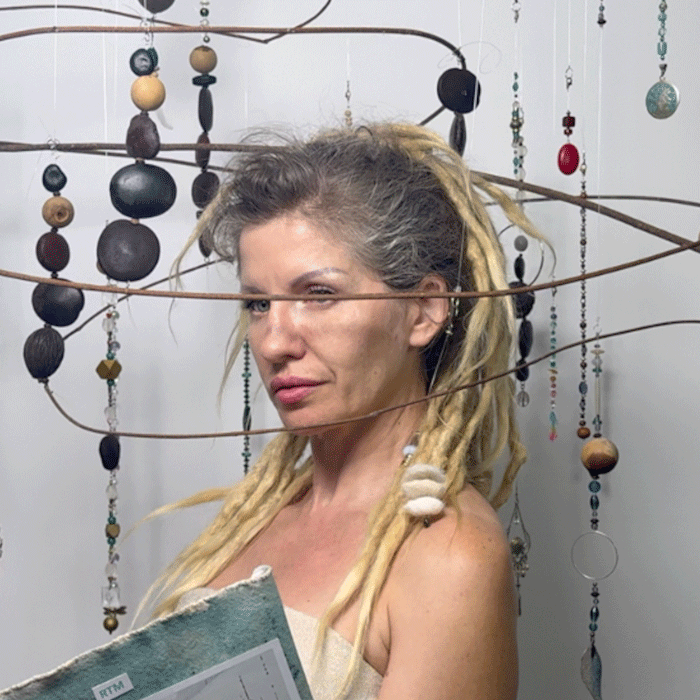
RTM – a neurodivergent autoethnographic arts-based researcher, therapeutic arts practitioner, visual/performance artist–writer and current Professional Doctorate candidate. Their practice – Inquirism: emergent, heuristic praxis privileging felt sense, aesthetic resonance, and multiplicity over linear logic; Situates creative process as both method and modality for healing and knowing; Intermodally multi-modal, including (not limited to): photography, mark-making and creating body-of-work-entities resisting classification. Relational grounding – the body-of-work as collaborator, with Neurodivergence and Trauma treated as co-travellers, not problems to fix. Committed to – epistemic equality, recognising cognitive diversities as equally valid; Challenging ableist, positivist traditions, making space for diverse ways of knowing and meaning-making.