

Open Access
Published: May 2026
Licence: CC BY-NC-4.0
Issue: Vol.21, No.1
Word count: 4,083
About the author
What can art do? The Studio Art Group advocates for art within community psychosocial mental health care
Samantha Sederof
Abstract
This paper critically examines the role art plays in group process, exhibition outcomes, and facilitator positionality, situating the Studio Art Group within the spectrum of art therapy practice. The Studio Art Group is a community psychosocial arts program that supports mental health through creative expression and collaborative art-making processes. Formed in response to the closure of a vital community arts space, the group provides a safe, collaborative environment where participants use art-making to explore artist identity, process trauma, and increase social connection. Facilitated by an art therapist–artist, the group engages in reflective practices that foster connection and personal growth. Through grief, shared storytelling, and public art exhibition, the group has evolved into a meaningful psychosocial support system. Participants’ insights into and reflections on the exhibition project have been captured using survey data, group discussion and photography. This paper highlights the critical role of the Studio Art Group in improving participant quality of life and the continued need for access to group arts-based mental health programs within the National Disability Insurance Scheme (NDIS).
Keywords
Art therapy, NDIS, psycho-social, exhibition, community, group therapy, social practice
Cite this practice paper Sederof, S. (2026). What can art do? The Studio Art Group advocates for art within community psychosocial mental health care. JoCAT, 21(1). https://www.jocat-online.org/pp-25-sederof
Introduction
The Studio Art Group draws upon the open studio method within the discipline of art therapy, focusing on the art and the artist’s identity as the vehicle for self-inquiry and exploration alongside others; the artist’s practice is synchronous with the therapeutic relationship emphasising the importance of process (Moon, 2016a: Thompson, 2009). The group draws upon the multiple aesthetics of its membership, who together form a social practice. Social practice here is defined by the regular participation of the group members who create a shared culture through art-making. The group provides an arts based psychosocial model of care. Facilitated by an art therapist, the members of this group, their discovery and commitment, are testament to the efficacy of this specific approach. This article seeks to add to the discourse by examining the key factors of the Studio Art Group’s use of the open studio method and its impact on participants. To situate the Studio Art Group within established art therapy discourse, it is necessary to first examine the theoretical and historical foundations of the open studio approach. Understanding this lineage clarifies the ethical, political, and aesthetic commitments that inform the group’s structure and processes.
The open studio approach
Originating in activism and social justice frameworks, the open studio approach has evolved in its implementation and inclusion of art therapy methods and processes and is now widely used in community and clinical health-care settings (Allen, 1995; Moon, 2016a; Nolan, 2019).
The open studio approach was developed to facilitate art engagement to improve participants’ well-being within health institutions, with the studio being considered a necessary de-medicalising, stigma-reducing space for creative engagement. In her seminal paper, Allen (1995) articulates a foundational distinction between the open studio approach and traditional models of art therapy. She emphasises the ethical distancing of the open studio from clinical frameworks, positioning it instead as a space where artistic voice and the shared experience of art-making are central. The open studio is conceived as a personal engagement with creativity and production, conducted in community with others. Its core tenets are egalitarianism, the absence of pathologisation, and the dismantling of hierarchical power structures (Allen, 1995).
There is an important historical precedent to Allen’s positioning of the open studio, her reaction to what she called “clinification syndrome”: when art studios were introduced into psychiatric hospitals during the 1940s, they adapted clinical psychology frameworks to gain acceptance (Finkel & Bat Or, 2020, p.2). The use of art within institutional care was a diagnostic research measure for psychiatric assessment. Dr Cunningham Dax – a pioneer who introduced art within mental health treatment in Australia after the Second World War – collected his patients’ artwork (now housed within the Dax Collection) as a part of his treatment protocol and research (Finkel & Bat Or, 2020; Koh & Shrimpton, 2014). The notion of artwork as an indication of ‘madness’ had been publicly established during the seminal Entartete Kunst (Degenerate Art) exhibition in Germany under the Third Reich in 1937. It displayed artworks by modernist artists alongside artworks by people with mental illness to explain the origins of their pathology (Koh & Shrimpton, 2014). In recent decades, artworks by those who have experienced mental illness have been characterised as ‘Outsider Art’, a term often used to define work by artists who are self-taught (Koh & Shrimpton, 2014). The curatorial ethics and language used to exhibit and describe artworks associated with mental illness have been informed by this historical legacy. Although public awareness of mental health and its public acceptance have changed significantly, this legacy is inescapable and still felt by those to whom it applies in the present. The legacy of early implementations of art therapy is an important historical context informing contemporary practice.
More recent scholarship, such as that of Nolan (2019), suggests that this dichotomy has been somewhat reconciled. The open studio approach is consistent with therapeutic process and ethical practice: it is person-centred and co-designed with its group members. Contemporary art therapy practices increasingly adapt to participants’ needs in co-created and responsive ways. In these contexts, the art therapist may take on multiple roles – as artist, therapist, and co-participant – that change the power imbalance of the instructor–participant relationship. Drawing from my own experience facilitating such a group, it has become clear that the presence and roles of both the art therapist and fellow participants significantly contribute to a sense of safety and emotional stability. This, in turn, fosters positive interpersonal relationships and supports the process of art-making and sharing (Nolan, 2019).
The Studio Art Group is informed by the principles of the open studio model. It maintains a commitment to artistic process and individual agency while evolving into a site of social action. In the context of increasingly restrictive health systems – where access to support is diminished and bureaucratic barriers are raised – new forms of advocacy are imperative. Therapists and researchers are now frequently required to demonstrate efficacy within a medicalised model of mental health care. This demand aligns with Allen’s original rationale for the community-based open studio: to resist institutional constraints and advocate for alternative models of care (Allen, 1995; Nolan, 2019; Van Laar et al., 2025).
Viewed through the lens of art as social practice, the Studio Art Group integrates collaboration, participation, and a process-oriented approach (Moon, 2016a; Nolan, 2019). The group has increasingly become co-designed by its members, with emergent dynamics such as self-directed goals, spontaneous sharing of artwork, and peer feedback enhancing the interpersonal experience. The multiplicity of aesthetic expressions present within the group reflects a diversity of intersubjective realities, each shaped by the lived experiences of individual participants. According to Moon (2016b), this pluralism of aesthetic voices – particularly within the context of both studio practice and public exhibition – offers a vital creative method for navigating contemporary social challenges. While the open studio approach provides a conceptual and ethical framework, its meaning is ultimately realised through practice. The following section examines how these principles were translated into the lived experience of the Studio Art Group, shaped by specific institutional conditions, participant needs, and relational dynamics.
The Studio Art Group
How it all began
The Studio Art Group was formed out of necessity. Following the closure of a community art program facilitated by another organisation, both participants and staff were left without a space to create in, or, in some cases, without employment. The former (now closed) program had operated as a supported art workshop, open Monday to Friday for four hours each day. The abrupt closure of this program marked the end of a vital psychosocial recovery community that many had come to rely on. While some participants accessed the program through NDIS funding, they engaged with it primarily as part of their mental health journey. Many spoke about how the act of creating supported their well-being, offering a means of self-expression, emotional soothing, and personal enjoyment.
The former program explicitly stated that it was not providing art therapy, although it acknowledged that art-making could be therapeutic. This distinction reflects a longstanding tension within the field regarding the boundaries of art therapy practice. Kramer’s (2000) seminal articulation of art as therapy is essential here. Kramer argued that the creative process itself holds intrinsic therapeutic value, independent of verbal interpretation or analysis. I would argue that although an individual may find the use of art materials pleasurable, they can also find them equally repelling. Therefore, art materials alone do not offer therapeutic potential, rather it is access to a person’s creative facility that can be nurtured into transformational insight within the therapeutic relationship (Schaverien, 2000). In this framework, healing occurs through engagement with materials, aesthetic problem-solving, observation and reflection supported by the art therapist. Within this model, the art therapist’s presence – Kramer’s notion of the ‘third hand’ – remains critical, even when the primary emphasis is on art-making rather than verbal processing.
Establishing the Studio Art Group required holding this complexity consciously. Drawing on both my training as an art therapist and my identity as an artist, I was able to intentionally move along the continuum of practice – from the artistic toward the psychotherapeutic – while maintaining ethical frameworks, reflexivity, and accountability consistent with art therapy practice (Van Lith & Fenner, 2011). This integration allows the program to remain accessible and non-pathologising, while offering participants a degree of containment, safety, and relational support that is not always present in community arts contexts.
The Studio Art Group process
The transitional period following the termination of the community art group and during which the potential for a new group was being considered offered a valuable opportunity: to listen closely to what participants valued most in the original program and to use that insight to inform the development of a new, participant-driven creative space.
The Studio Art Group has its method deeply rooted in artists’ experience and interpersonal learning (Moon, 2016; Brown & Ormand, 2022; Yalom & Leszcz, 2008). The group considers what it is to create art and how artists navigate this as a part of their life story. Responding in the moment to what is happening within the group and allowing what is becoming most relevant to its members to be incorporated into the process of making art is the role of the facilitator in this model. The group operates two days per week and consists of seven artists, two volunteers, and one primary facilitator. It is based in Naarm Melbourne, Australia.
Each session begins with a one-hour exploration of an established practising artist’s work or art technique, followed by a creative activity or visual response inspired by that artist or material. For instance, during Term 4 of 2024, the group examined the work of Grayson Perry. Known for his eclectic, punk-influenced, and meticulously crafted artworks, Perry uses ironic humour and self-effacing honesty to confront personal and social issues. In his artwork he uses his childhood teddy bear, Alan Measles, as a totemic and symbolic figure.
Psychotherapists Bat-Or and Megides (2016) identify found objects as effective materials for reconstructing memory, trauma, and loss. Perry has described Alan Measles as a ‘transitional object’ central to his own therapeutic process, a term coined by psychotherapist Donald Winnicott (Boddington, 2021; Winnecott, 1953). In this context, his teddy bear becomes a found object imbued with personal meaning, recontextualised for the purpose of self-expression and the reconciliation of past trauma. These themes – narrative reconstruction, memory, and authenticity – are often evident in Perry’s artworks, which allow for the integration of lived experience into the present through symbolic and visual language.
The group was asked to respond to Grayson Perry’s depiction of Alan Measles by selecting their own found object and making an artwork. The participants brought an object each from home to respond to visually. Through this process of art-making the group discussed their responses and reflected on how they had experienced the task or materials. The group reflected on the gendered elements in Perry’s work and how they related to one participant’s experience of himself: he shared with the group his experience of gender-defining clothing, identity politics, and performance art. Often the artworks made in the group reflect the complex histories of the participants; when shared with the group they become witnessed by its members. Telling their story has an empowering quality and strengthens the sense of community in shared vulnerability (Van Lith, 2014).
While the group emphasised autonomy and responsiveness, this did not imply an absence of structure or influence. Group dynamics were shaped by uneven confidence levels, differing relationships to authority, and varying capacities for risk-taking. Moments of silence, withdrawal, or hesitation were as significant as moments of sharing, indicating that participation occurred along a spectrum rather than as a uniform experience. Attending to these dynamics required the facilitator to continuously negotiate between holding space and intervening, raising questions about how power circulates even within ostensibly egalitarian models (Williams & Tripp, 2016; Yalom & Leszcz, 2008). The open studio’s ethical commitment to non-pathologisation does not eliminate power relations, but instead renders them more subtle and therefore in need of ongoing critical attention. Another example of group process, connection and meaning-making in the face of traumatic events was the passing of a participant in 2024.
Group process vignette: Responding to grief
At the beginning of Term 4, 2024, one of our artists passed away. The news was both unexpected and deeply saddening. Alongside my colleague, I was faced with the responsibility of informing the volunteers and the Studio Art Group members. Together, we held space for the group, allowing a shared process of grief to unfold throughout that week. Each workshop became an emotional container in which this collective mourning could take place.
Art-making emerged as a secular, embodied method for expressing, witnessing, and containing our grief (Arnold, 2019). In the first workshop following the participant’s passing, the group created an artwork in his honour. We used his signature material – oil pastels – and remembered his distinctive style: playful, bold, and bright. On the second day, I placed his personal drop-sheet on the table, the one he used for his own work. Each artist then contributed to it by adding their own mark using oil pastels.
During the reflective discussion, group members described witnessing his unique creative process as a gift. His ideas often seemed to pour directly onto the page – beginning with strong, confident lines that gradually joined to form shapes and, ultimately, characters that were intermingled and outlined.
Creative engagement within the grieving process has been associated with positive healing outcomes. It offers a nuanced, non-verbal response to the complexity of loss, allowing moderated self-disclosure through the act of making art (Arnold, 2019). This collective act of remembrance and expression brought group members into a state of emotional closeness. The shared experience created a safe and supportive space in which they could feel, reflect, and remember together.
In later reflections, the group noted that this was the moment they truly felt they had become a group. This collective experience of grief marked a significant shift in the group’s relational depth and cohesion. The strengthened sense of trust and mutual recognition that emerged through this process became foundational to the group’s readiness to engage in a public-facing project. It is within this context that the inaugural Studio Art Group exhibition took shape.
Exhibition
Note on data collection
The information presented in this paper is sourced from the Studio Art Group participants with consent. Sources include written and verbal testimony, post-exhibition surveys, interviews, and audience comments. These were thematically analysed.
Exhibition – finding the threshold
The Studio Art Group held its inaugural exhibition on 15 May 2025. This event marked the culmination of two years of the group’s determination and collective effort. In preparation for the exhibition, the group engaged in a series of discussions to select a theme. The theme Threshold was chosen, as it encapsulated both the group’s journey and the broader transition from a blank canvas to finished artwork. Additionally, it symbolised the psychological process of moving from one phase to another, representing personal and artistic transformation.
Over the course of five months, ten artists, including staff and volunteers, prepared for their first exhibition as a collective. Each artist created unique artworks in response to the shared theme, using a variety of materials such as photographs, ink, watercolour, transparency sheets, natural materials, synthetic recycled materials, and textiles.
Each artist experienced the exhibition project as a unique challenge in different ways, some with anxiety about how to produce their work, some concerned about exposing their work to the public fearing mental health stigma. Supported by the facilitator and one another, the group recognised that the exhibition project itself was a threshold moment. Their emotional guidance indicated that moving toward and stepping over the doorway of new possibility brought with it some fear of the unknown.
Exhibition – findings
The group reflected both verbally and visually on their exhibition experience, identifying four dominant themes: diversity, process, connection, and meaning. The artists noted that the diversity of artworks in the exhibition was as unique as the artists themselves, yet the collective theme remained a shared experience. The process of creating work for the exhibition changed artists’ methods of production. In the post-exhibition reflection survey, participants identified the initial phase of seeking inspiration, the building phase of making multiple works and collaborating with each other, and the evaluating phase of refining, editing and problem solving. Having a theme provided direction, purpose, and an anchor for their work.
The group’s strongest response was to the sense of connection and intimacy fostered by the exhibition opening night. In the post-exhibition interview, the participants reported this exhibition felt more affirming and connected to their audience than previous exhibitions, and that it captured the essence of what happens within the studio. Additionally, participants felt that their satisfaction with their artwork had increased compared to past experiences. These findings echo Gentle’s (2020) research on community group art exhibitions: the participants’ connection to self, others and community was strengthened through the process of exhibiting.
Most of the participants said that they now felt greater confidence as artists. They observed significant changes in their art practice since the beginning of the year, reporting bolder expression, greater complexity, more focus and cohesion. Following the exhibition, participants reported a deeper awareness of the themes within their artwork and being able to better articulate these themes. While some remain uncertain about the future direction of their art practice, they all now possess the skills and ambition to tell their stories through images.
One participant reported:
I would say that the theme of Threshold provided a resonant and flexible framework that allowed for satisfying interplay between concrete and abstract interpretations of appearance and meaning. This can often feel difficult to attain, but in this case, it seemed easy.
Another said:
The making of this body of work has revealed to me something that had been otherwise elusive. I now understand how I can combine my long-standing practice of ‘experi-playing’ with a more authentic exploration of my inner life, values, and personal growth.
While participants largely described the exhibition experience as affirming, this outcome must be understood alongside the tensions it produced. The requirement to resolve, curate, and publicly present work introduced pressures that disrupted familiar studio rhythms. For some artists, the demand for coherence and completion conflicted with process-oriented practices, revealing an implicit hierarchy that privileges finished objects over exploratory making. These tensions highlight a central paradox of exhibition-based art therapy: public visibility can foster empowerment and connection while simultaneously reintroducing evaluative frameworks that the open studio seeks to resist (Hall, 2010; Thompson, 2009).
Exhibition – outcome summary
The group is evidence of psychosocial models of care; a key finding from our exhibition project was the significance of connection. Thompson (2009) identifies that the “gallery model of art therapy” (p.159) – emphasising the connection between studio process, artist identity and final artwork – requires the artist’s sensibility to be active and developed within the participant and the facilitator. The exhibition project required the artists to engage directly with this sensibility, and the stigma associated with public engagement and their personal art history (Thompson, 2009). Although confronting for some, the opening night – when reflected upon by the group members – provided them with a sense of connection they had not anticipated. Hall (2010) identifies the paradoxical elements present when exhibiting the work of a community of artists within the context of community mental health services. The exhibition is a public stage where artists can experience connection to the broader community, which can be incredibly rewarding for those who have felt marginalised. However, the artists are exhibiting together due to their collective experience as members of an art group facilitated by an art therapist and, while they have experienced the benefits thereof, they may not want to be identified with mental illness alone. For some of the participating artists, the exhibition provided an impetus to wrestle with these challenges of self-definition and identification, and stigma in a public space. Their reflections are important to include because they describe the complex and multifaceted aspects of connection and vulnerability when exhibiting artwork. While the exhibition outcomes offer insight into participants’ experiences of connection, identity, and visibility, the group process cannot be fully understood without examining the facilitator’s positionality within it. The following reflection therefore turns inward, critically examining the dual role of facilitator–participant as both a methodological asset and an ethical challenge.
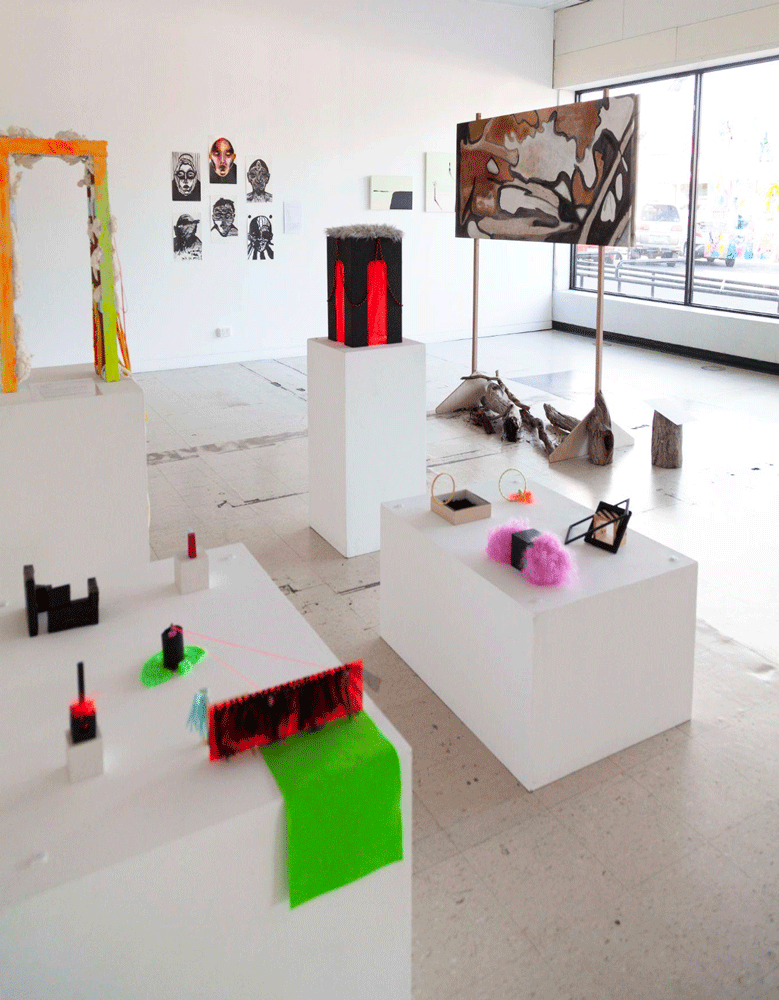
Figure 1. Threshold exhibition view, 2025.
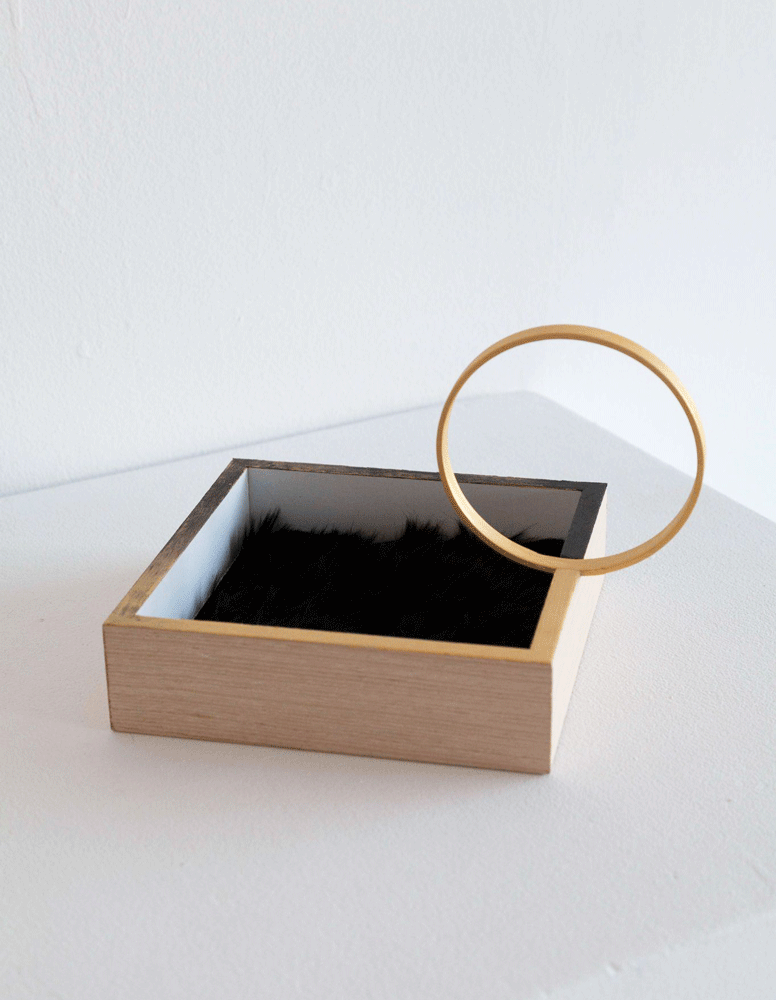
Figure 2. Participant artwork, Threshold exhibition, 2025.
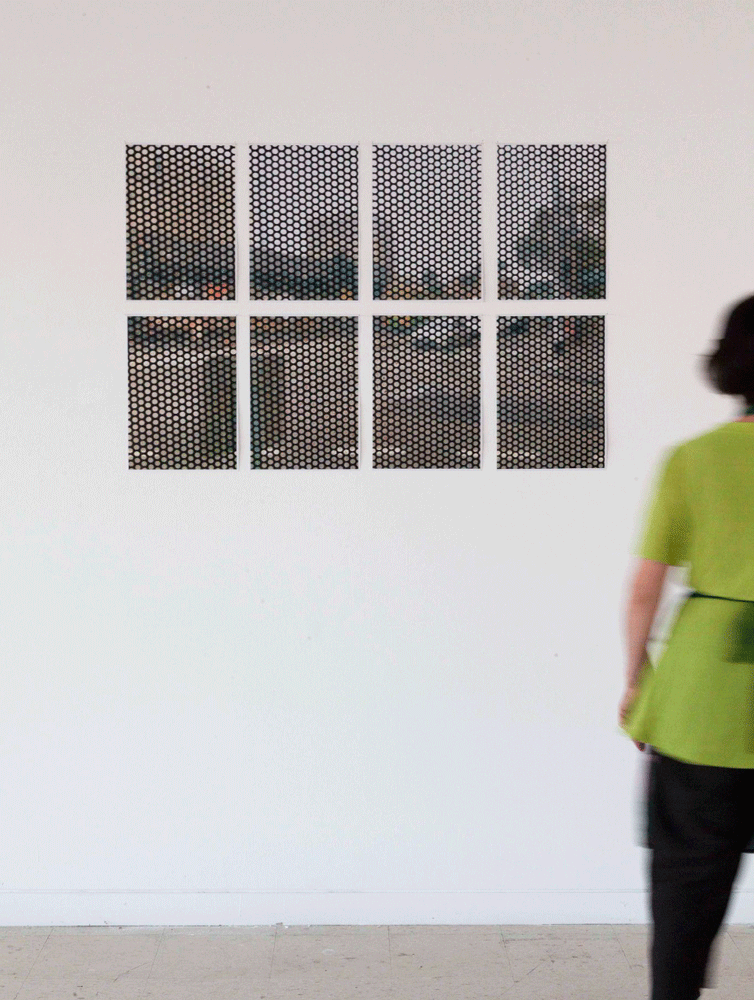
Figure 3. Participant artwork, Threshold exhibition, 2025.
Reflection: Facilitator
As the founder and primary facilitator of the Studio Art Group, my positionality warrants critical examination. Occupying the dual role of facilitator–participant offers relational intimacy and mutuality, yet it also carries ethical responsibilities related to power, influence, and visibility. Although participating in art-making alongside group members may appear to flatten hierarchy, the facilitator retains structural authority through responsibility for safety, funding, curatorial decisions, and institutional accountability.
My increased participation in art-making occurred only after the group demonstrated sustained autonomy and relational stability. Even then, my involvement was intermittent and carefully negotiated. While working alongside participants fostered reciprocity and modelled vulnerability, it also raised questions: Whose artistic development is implicitly validated? And how might facilitator participation unintentionally shape group norms or aesthetic values?
The moment in which a participant questioned my dismissal of my own abstract work – “Why do you diminish your abstract artworks?”– was particularly revealing. While this exchange contributed to my personal artistic growth, it also underscored how facilitator presence is never neutral. The feedback loop between participant and facilitator operates within an asymmetrical relationship, even when experienced as mutual.
Ethical practice within this model therefore requires ongoing reflexivity and restraint. Maintaining moments of distance was essential to ensure that participant needs remained foregrounded, and that my artistic development did not eclipse or redirect the group’s process. This tension reflects the broader ethical challenge of co-participatory art therapy practice: while relational depth can enhance therapeutic potential, it simultaneously demands heightened awareness of power, consent, and responsibility (Nolan, 2019; Van Lith, 2014).
Recommendations
Recent reforms to the NDIS concerning the status of art and music therapy have negatively impacted the public’s understanding of these therapies and their efficacy. In response, leading experts in the field have produced evidence papers advocating for a review of the government’s reforms (Van Laar et al., 2025). Further documentation and publication of such evidence are essential to support this effort.
Through my work with the Studio Art Group participants, I have witnessed first-hand the importance of listening to their voices and honouring their requests to establish and sustain psychosocial creative arts groups. These programs have proven to be key contributors to participants’ health and well-being, and their role in this regard must be formally recognised. Participants in the Studio Art Group have self-reported significant benefits from their involvement in the program and the exhibition, particularly in terms of their sense of connection – both to others and to their own artistic practices. This has led to a strengthened sense of satisfaction and fulfilment.
The values of the NDIS, which emphasise providing participants with choice and control, have not been fully realised in the current context. Therefore, it is crucial to continue advocating for the inclusion of the arts in health programs and to actively amplify the voices of participants. Their experiences serve as evidence of the profound impact that creative arts programs can have on personal well-being and community connection.
Conclusion
The Studio Art Group demonstrates how the open studio approach, when facilitated by an art therapist–artist within a co-designed framework, can provide an effective psychosocial model of care grounded in creativity, connection, and community. The group’s evolution – from its formation following the closure of a community art program to the development of its inaugural exhibition, Threshold – illustrates how collective art-making fosters identity formation, resilience, and mutual support. Participants’ reflections highlight that the open studio becomes more than a therapeutic setting: it is a site of artistic agency and social advocacy where meaning emerges through shared process. For the facilitator, occupying the dual role of artist and therapist reveals the reciprocal and transformative nature of this work, reinforcing the value of reflexive practice within art therapy. In a climate of increasing medicalisation and systemic constraints, the Studio Art Group offers evidence of the enduring relevance of art-based, community-led approaches to mental health support. This paper affirms that the open studio model has developed, in response to challenging social and political settings, as an ethical, relational, and creatively liberating framework that strengthens the voices of both participants and practitioners in shaping inclusive, art-centred care.
Acknowledgements
I would like to acknowledge the participants of the Studio Art Group for their commitment and inspiration. Special thanks to Chris Reynolds, Kerrie Theodorikakos, Sarah Moon and Laura Battley.
References
Allen, P.B. (1995). Coyote comes in from the cold: The evolution of the open studio concept. Art Therapy, 12(3), 161–166. https://doi.org/10.1080/07421656.1995.10759153
Arnold, R. (2019). Navigating loss through creativity: Influences of bereavement on creativity and professional practice in art therapy. Art Therapy, 37(1), 6–15. https://doi.org/10.1080/07421656.2019.1657718
Bat-Or, M., & Megides, O. (2016). Found object/readymade art in the treatment of trauma and loss. Journal of Clinical Art Therapy, 3(1).
Boddington, R. (2021, March 1). Defying the norm: An interview with Grayson Perry on what it means to be an artist. It’s Nice That.https://www.itsnicethat.com/features/grayson-perry-in-conversation-art-010321
Brown, C., & Omand, H. (Eds.). (2022). Contemporary practice in studio art therapy. Taylor & Francis Group.
Finkel, D., & Bat-Or, M. (2020). The open studio approach to art therapy: A systematic scoping review. Frontiers in Psychology, 11, 568042. https://doi.org/10.3389/fpsyg.2020.568042
Gentle, E. (2020). Facilitating art groups: How art therapy and community arts paradigms can intersect to support connection with marginalised groups. Journal of Creative Arts Therapies, 15(1), 82–93. https://www.jocat-online.org/a-20-gentle
Hall, E. (2010), Spaces of social inclusion and belonging for people with intellectual disabilities. Journal of Intellectual Disability Research, 54, 48-57. https://doi.org/10.1111/j.1365-2788.2009.01237.x
Koh, E & Shrimpton, B. (2014). Art promoting mental health literacy and a positive attitude towards people with experience of mental illness. International Journal of Social Psychiatry, 60(2), 169–174. https://doi.org/10.1177/0020764013476655
Kramer, E. (2000). Art as therapy. Jessica Kingsley.
Moon, C.H. (2016a). Open studio approach to art therapy. In D.E. Gussak & M.L. Rosal (Eds.), The Wiley handbook of art therapy (pp.112–121). Wiley-Blackwell.
Moon, C.H. (2016b). Relational aesthetics and art therapy. In J.A. Rubin (Ed.), Approaches to art therapy: Theory and technique (pp.50–68). Taylor & Francis Group.
Nolan, E. (2019). Opening art therapy thresholds: Mechanisms that influence change in the community art therapy studio. Journal of the American Art Therapy Association, 36(2), 77–85. https://doi.org/10.1080/07421656.2019.1618177
Schaverien, J. (2000). The triangular relationship and the aesthetic countertransference in analytical art psychotherapy. In G. Mcneily (Ed.), Changing shape of art therapy: New developments in theory and practice (pp.55–83). Jessica Kingsley.
Thompson, G. (2009). Artistic sensibility in the studio and gallery model: Revisiting process and product. Journal of the American Art Therapy Association, 26(4), 159–166. https://doi.org/10.1080/07421656.2009.10129609
Van Laar, C., Bloch-Atefi, A., Grace, J., & Zimmermann, A. (2025). Empowering voices—Learning from NDIS participants about the value of creative and experiential therapies: A mixed methods analysis of testimonials and academic literature. Psychotherapy and Counselling Journal of Australia, 13(1). https://doi.org/10.59158/001c.128556
Van Lith, T. (2014). A meeting with ‘I-Thou’: Exploring the intersection between mental health recovery and art making through a co-operative inquiry. Action Research, 12(3), 254–272. https://doi.org/10.1177/1476750314527326
Van Lith, T. (2025). Advancing knowledge in art therapy research: A vision for the future. Art Therapy, 42(3), 122–124. https://doi.org/10.1080/07421656.2025.2549670
Van Lith, T., & Fenner, P. (2011). The practice continuum; Conceptualising a person-centred approach to art therapy. ANZJAT, 6(1), 17–22.
Williams, K., & Tripp, T. (2016). Group art therapy. In J.A. Rubin (Ed.), Approaches to art therapy: Theory and technique (pp.417–432). Routledge.
Winnicott, D.W. (1953). Transitional objects and transitional phenomena. The International Journal of Psycho-Analysis, 34, 89–97.
Yalom, I.D., & Leszcz, M. (2008). The theory and practice of group psychotherapy (5th ed.). Basic Books.
Author
Samantha Sederof
MAAT, BA(Hons), AThR
Samantha is a registered art psychotherapist and artist practising in Naarm Melbourne. She holds a MA in Art Therapy and a BA in Visual Anthropology. She works in private practice, providing art psychotherapy to support participant well-being. Her research focuses on social ethics and community building within the community health sector, centring historical and contemporary art-based methodologies. Alongside her clinical work, Samantha founded the Studio Art Group, a program supporting artists to develop and sustain their personal and professional creative practices.
samanthasederof@gmail.com @sam_sederof