

Open Access
Published: June 2026
Licence: CC BY-NC-4.0
Issue: Vol.21, No.1
Word count: 6,812
About the authors
Exploring the experience of clay-based art therapy for burnout in Thai office workers
Natnicha Prachakittikul and Nisara Jaroenkajornkij
Abstract
This study explores the experiences of a one-day clay-based art therapy workshop among office workers experiencing emotional exhaustion and reduced personal efficacy. Using a qualitative design, thematic analysis was conducted on initial and concluding reflections, as well as reflective writing from 27 participants. Findings indicate that engagement with clay facilitated emotional relief, and reflective processes that supported the rediscovery of inner strengths, enhanced self-efficacy, and the reframing of personal and work-related perspectives. The study highlights the potential of expressive arts approaches as practical and accessible ways to support employee well-being and address the experience of burnout in workplace settings.
Keywords
Art therapy, clay-based art therapy, clay-work, burnout, emotional exhaustion, personal efficacy, lived experience, practice-based research
Cite this practice paper Prachakittikul, N. & Jaroenkajornkij, N. (2026). Exploring the experience of clay-based art therapy for burnout in Thai office workers. JoCAT, 21(1). https://www.jocat-online.org/pp-26-prachakittikul
Introduction
Burnout is an increasingly recognised concern among office workers, affecting emotional, physical, and psychological well-being (McKinsey Health Institute, 2022; Novacek et al., 2024). Characterised by emotional exhaustion, cynicism, and reduced personal efficacy (Maslach et al., 1996; Maslach & Leiter, 2016), burnout can influence how individuals relate to their work and themselves. In many professional environments, however, such experiences are rarely expressed openly, as workplace cultures often prioritise productivity over emotional reflection.
While burnout has been widely examined in organisational and psychological research, less attention has been given to how office workers subjectively experience these conditions and how they may be explored through creative, embodied practices (Ho et al., 2021; Potash et al., 2014; Tjasink & Soosaipillai, 2018). Creative approaches such as art therapy offer alternative pathways for exploring internal experiences through non-verbal expression and reflective meaning-making (Kaimal et al., 2020; Lips, 2021). Clay, in particular, provides a tactile and symbolic medium that can support grounding, emotional awareness, and personal insight (Nan et al., 2023; Sholt & Gavron, 2006). This study explores the experiences of office workers experiencing burnout who participated in a one-day clay-based art therapy workshop in Bangkok.
Literature review
The nature of occupational burnout
Burnout is widely recognised as a psychological response to prolonged occupational stress, commonly characterised by exhaustion, cynicism, and reduced personal efficacy (Maslach et al., 1996; Maslach & Leiter, 2016). Among these dimensions, exhaustion and reduced personal efficacy have been identified as particularly distressing experiences that affect individuals’ sense of competence, motivation, and engagement in their professional roles (Bumrungphanichthaworn et al., 2022; Vichanjalearnsuk & Supapong, 2015). Individuals experiencing exhaustion often describe a persistent sense of fatigue and difficulty recovering, alongside a reduced capacity to remain present and engaged in daily tasks (Kuriyama, 2023). Similarly, reduced personal efficacy is reflected in feelings of inadequacy, self-doubt, and a diminished sense of accomplishment, shaping how individuals perceive themselves and their roles within the workplace (McCormack & Cotter, 2013).
While burnout is formally classified as an occupational phenomenon (World Health Organization, 2022), its impact extends into the lived experiences of workers navigating demanding environments. Individuals may continue to perform their roles while internally experiencing emotional strain, disconnection, or reduced confidence (Pounraj & Sivakumaran, 2023). These experiences highlight the importance of approaches that allow individuals to reflect on and express their internal states beyond conventional workplace interventions.
Art therapy
Art therapy is a form of psychotherapeutic intervention that uses the visual arts as a medium of expression (Hamel, 2021). Art therapy has the ability to facilitate non-verbal expression, allowing individuals to articulate complex feelings and thoughts that may be challenging to express verbally (Kaimal et al., 2020; Lips, 2021). It provides a safe, creative outlet for expressing and processing overwhelming emotions, which helps alleviate the psychological and physiological symptoms of emotional exhaustion, such as stress, sleep disturbances, and distressing pain (Raudenská et al., 2023; Sharifpour et al., 2023). Through activities like painting, drawing, collage art, or sculpting, clients can achieve relaxation, reduce stress, and foster calmness (Liu, 2022; Martin et al., 2018). Art therapy also helps reduce cynicism by reconnecting clients with their sense of purpose and humanity and engaging in symbolic and reflective art-making, individually or in groups, promotes empathy, combats feelings of detachment, and fosters positive interpersonal relationships (Lee et al., 2020). Additionally, creating tangible art projects improves self-efficacy, providing a sense of accomplishment that counters feelings of inadequacy and failure (Kim & Chang, 2022)
Art therapy interventions employ an extensive range of materials, including paints, clay, fabric, markers, and collage components. The choice of medium may influence how individuals engage with the creative process, as different materials can evoke varied emotional responses and support different forms of expression (Haaga & Schwartz, 2022; Snir & Regev, 2013).
Clay as a therapeutic tool
The tactile and kinaesthetic nature of working with clay offers a grounding and stress-relieving experience, as the physical act of shaping and manipulating clay stimulates sensory input (Nan et al., 2023), activates the parasympathetic nervous system, and promotes relaxation and calmness (Fosha et al., 2009; Rankanen et al., 2022). This hands-on clay activity can also foster mindfulness by enhancing mental and physical awareness, supporting deeper connections to the present moment, which helps reduce feelings of exhaustion (Van Lith & Beale, 2025). Engaging with clay provides an effective medium for expressing strong emotions, where actions such as squeezing and kneading facilitate the release of negative emotions while enabling individuals to transform negative self-perceptions and foster a sense of mastery and empowerment (Nazari et al., 2018). Additionally, clay sculpting facilitates symbolic expression, allowing clients to externalise internal conflicts and process difficult emotions, which helps promote identity development and alleviate feelings of cynicism (Sholt & Gavron, 2006; Snir & Regev, 2013). As a three-dimensional medium, clay facilitates the creation of tangible forms, enhancing self-efficacy and countering feelings of inadequacy by reinforcing a sense of capability and accomplishment (Nan et al., 2021; Snir & Regev, 2013).
While burnout has been widely studied within organisational psychology, fewer studies have explored clay-based art therapy within workplace contexts, particularly among office workers in a non-clinical setting. Rather than examining burnout solely through clinical stages or diagnostic frameworks, this study approaches burnout as a lived experience of depletion that may be approached through creative and sensory forms of reflection. This study aims to explore how office workers in Bangkok experiencing emotional exhaustion and reduced personal efficacy describe their experiences in a one-day clay-based art therapy workshop.
Methodology
Research design
This study aimed to explore how office workers experienced and engaged with a one-day clay-based art therapy workshop, with particular attention to how they expressed and reflected on feelings of emotional exhaustion and reduced personal efficacy. A qualitative research design was employed to capture participants’ subjective experiences, emotional responses, and personal insights that emerged through the creative process.
Participants were selected using the Maslach Burnout Inventory – General Survey (MBI-GS), which served solely as a screening tool to determine eligibility, based on criteria indicating moderate levels of exhaustion and personal efficacy. These scores provided contextual understanding of participants’ initial experiences of burnout and were not used as outcome measures or for statistical analysis.
Qualitative data were collected through multiple sources, including participants’ written responses to open-ended initial and concluding reflections, as well as structured reflective writing exercises completed during the workshop. These materials offered in-depth accounts of participants’ emotional experiences, self-reflections, and evolving perspectives throughout the art-making process. The use of multiple data sources allowed for a richer understanding of how participants engaged with clay as a medium for expression and meaning-making.
The qualitative component of the study was designed to address the following research questions: How did participants experience the process of art therapy and the use of clay as a medium for emotional expression and self-reflection? How did participants describe their experiences of emotional exhaustion in the context of their personal and professional lives? How did participants perceive their sense of personal efficacy?
The workshop was designed and facilitated by the researcher, a second-year master’s student in Expressive Arts Therapy at Chulalongkorn University, who also served as the primary data analyst. The dual role of facilitator and researcher, alongside a commitment to the therapeutic potential of art, may have influenced participant engagement and the interpretation of findings. To mitigate such influences, anonymised reflective writing was employed, and the researcher participated in supervisory debriefings to critically examine assumptions and coding decisions. These strategies strengthened the credibility and transparency of the study, while acknowledging the researcher’s positionality and active involvement.
Participants, criteria, and sampling method
This study initially included 30 office workers purposively recruited from a Bangkok-based organisation. Participants were selected based on their experiences of emotional exhaustion and reduced personal efficacy, with eligibility confirmed through a screening process. Participants were organised into two groups: an art therapy group (n = 15), who participated in the one-day clay-based workshop, and a control group (n = 15), who did not take part in the workshop during the study period. The inclusion of two groups provided contextual perspectives on participants’ experiences rather than serving as a basis for statistical comparison.
The sample size was appropriate for a qualitative study employing thematic analysis, where emphasis is placed on the depth and richness of data rather than numerical representation. Previous research suggests that meaningful themes can emerge from relatively small, focused samples, often with as few as 12 participants in homogeneous groups (Guest et al., 2006). In addition, the use of multiple qualitative data sources – including participants’ initial and concluding reflections and structured reflective writing – enhanced the depth of insight generated (Malterud et al., 2016). A flow diagram illustrating the study’s recruitment process and methodology is presented in Figure 1.
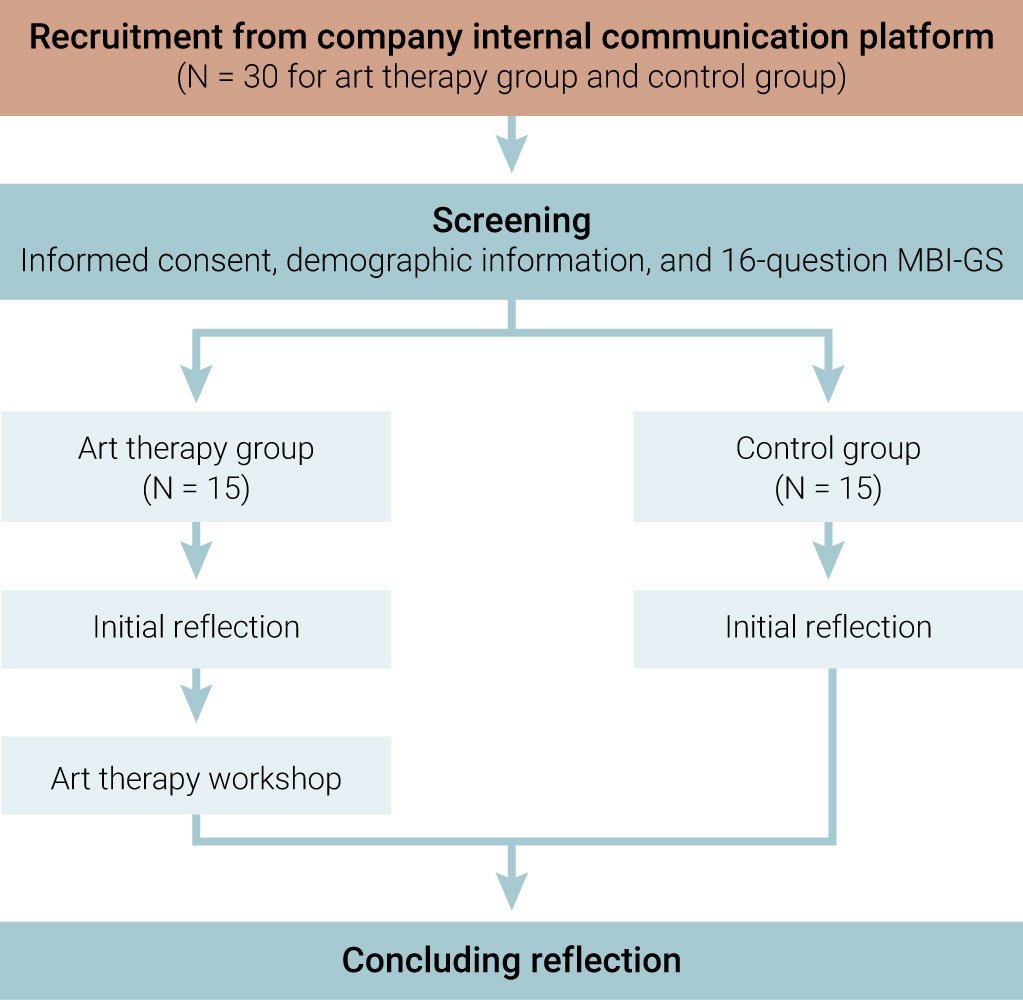
Figure 1. Flow diagram of the study’s recruitment process and methodology.
Following ethical approval from the Human Research Ethics Committee, Multi-Institutional Group Set 1, Chulalongkorn University (Certificate of Approval No. 138/68), recruitment was carried out through the company’s internal communication platform. The target group included employees of all biological sexes, aged 28 to 44 years, with at least one year of employment, aligning with prior research identifying this age group as vulnerable to burnout-related experiences (Department of Mental Health, 2020). The researcher had no personal relationships with any individuals in the organisation. All recruitment activities were facilitated exclusively by the company’s Human Resources department, ensuring voluntary participation and minimising potential bias.
Interested individuals were invited to complete an initial screening process, which included a consent form, a demographic questionnaire, and the 16-item Maslach Burnout Inventory – General Survey (MBI-GS). To support confidentiality and minimise potential stigma within the workplace setting, participants were selected based on mid-range scores – specifically, an exhaustion score between 10.01 and 15.99 and a personal efficacy score between 24.01 and 29.99. To ensure consistency in engagement with the clay-based activities, individuals with physical limitations affecting participation were excluded.
Purposive sampling was used to achieve balanced representation across age groups and biological sexes. Participants were assigned to the art therapy or control group using matched criteria. While 15 participants were initially assigned to the art therapy group, three withdrew due to scheduling conflicts. As a result, the final art therapy group consisted of 12 participants, while the control group retained all 15 assigned participants.
Procedure
This study was conducted through a one-day, onsite, clay-based art therapy workshop designed to explore how office workers expressed and reflected on experiences of emotional exhaustion and reduced personal efficacy. The workshop was of approximately three and a half to four hours’ duration and was facilitated by a trained art therapy student to ensure consistency in the facilitation process. The session was held in a company meeting room with prior approval from the organisation’s Human Resources department. Participants in the control group did not take part in the workshop during the study period, but provided additional contextual perspectives on workplace experiences.
Initial reflection (10 minutes)
Prior to the workshop, participants in both the art therapy and control groups were invited to complete an online set of open-ended initial reflections. These prompts were adapted from the Maslach Burnout Inventory – General Survey (MBI-GS) and encouraged participants to describe their experiences of exhaustion and personal efficacy in their own words. The reflections provided contextual insight into participants’ starting points and supported a deeper understanding of their experiences throughout the study. To ensure consistency, the prompts were distributed via email on the morning of the workshop and the reflections completed before the session began.
Introduction (10 minutes)
The workshop began with an introductory session led by the researcher, outlining the purpose, structure, and ethical considerations of the workshop. Participants were informed of their rights, including voluntary participation, confidentiality, and the freedom to withdraw at any time. They were also instructed not to disclose any personal information about other participants obtained during group activities. This opening session aimed to create a psychologically safe environment and foster engagement throughout the workshop.
Warm-up: Clay exploration (15 minutes)
A sensory-based warm-up activity introduced participants to the tactile properties of clay, encouraging them to freely squeeze, pound, and manipulate the material as a means of externalising emotional tension. The goal was to promote mindfulness, physical engagement, and emotional grounding in preparation for the subsequent art-making exercises. Prior research has shown that tactile clay work supports mindfulness and emotional regulation (Sholt & Gavron, 2006).
Activity 1: Symbol of the present self (60 minutes)
Participants were invited to create a clay symbol representing their present self, encouraging the externalisation of identity, emotions, and experiences related to exhaustion and personal efficacy. The aim was to support self-exploration by visually expressing one’s current state and reflecting on perceived efficacy. Research indicates that creating a symbol of the self in art therapy fosters emotional relief, clarity, and self-awareness, contributing to reduced exhaustion (Haeyen, 2019). Following the art-making, participants completed reflective writing and could optionally share their work. Those unable to identify strengths in their work were encouraged to describe their creations, allowing others to offer insights into positive resources embedded in their narrative.
Activity 2: Symbol of life transition (60 minutes)
Participants created a clay symbol representing a significant life transition, focusing on past experiences of change, challenge, and growth. The activity aimed to enhance self-efficacy by fostering reflection on resilience and personal achievements. Such reflection has been shown to strengthen psychological resources such as self-efficacy, hope, and optimism (Khawda & Nimnuan, 2023; Luthans, 2002). Following the art-making, participants completed structured reflective writing and were invited to share their insights in an optional group discussion.
Activity 3: Symbol of the journey forward (50 minutes)
Participants created a final clay symbol representing their personal journey forward, integrating insights from previous activities. This process fostered a forward-looking perspective, encouraging the visualisation of resilience, self-efficacy, and new coping strategies. The activity aimed to help participants recognise their strengths and past experiences as resources for future challenges. After the art-making, participants completed structured reflective writing and were invited to participate in an optional group discussion.
Concluding reflection (10 minutes)
At the end of the workshop, participants in both the art therapy and control groups were invited to complete the same set of open-ended concluding reflections as those provided at the beginning of the study. The responses were considered alongside participants’ initial reflections to support exploration of their evolving perspectives. To ensure consistency, the prompts were distributed via email immediately after the session and reflections were completed within the same time frame by both groups.
Data sources
Maslach Burnout Inventory – General Survey (MBI-GS)
The Maslach Burnout Inventory – General Survey (MBI-GS), originally developed by Maslach et al. (1996), was used as a screening tool to support participant selection. The Thai version, translated by Kleebbua and Suttiwan (2009), was used with permission. The instrument consists of 16 items, measuring three dimensions of burnout: exhaustion, cynicism, and reduced personal efficacy.
In this study, the MBI-GS provided contextual understanding of participants’ experiences of exhaustion and personal efficacy. To support confidentiality and minimise potential stigma within the workplace setting, participants were selected based on mid-range scores on the instrument. The MBI-GS was not used as an outcome measure or for statistical analysis.
Open-ended initial and concluding reflections
Participants were invited to complete open-ended initial and concluding reflections to describe their experiences of emotional exhaustion and personal efficacy in their own words. The prompts for these were adapted from the exhaustion and personal efficacy domains of the MBI-GS.
The reflections encouraged participants to describe how exhaustion was experienced in their daily work routines, and how they perceived their sense of competence and effectiveness in fulfilling work responsibilities. By allowing participants to respond freely, this approach provided deeper insight into how individuals made meaning of their experiences.
These reflections were considered as narrative accounts of participants’ experiences over the course of the workshop, offering insight into their emotional expression, self-reflection, and evolving perspectives. The open-ended questions were as follows:
What are your thoughts on the following statements?
“I feel emotionally drained from my work.”
“I feel exhausted at the end of the workday.”
“I feel tired when I wake up in the morning and have to face another day at work.” “Working all day is very stressful for me.”
“I feel worn out from my job.”
Please explain or provide examples.What are your thoughts on the following statements?
“I can effectively solve problems at work.”
“I feel that I have put in my full effort toward the organisation’s mission.”
“In my opinion, I am good at my job.”
“In my work, I feel that I have accomplished many worthwhile things.”
“I am confident that I am efficient at completing various work tasks.”
Please explain or provide examples.
Reflective writing
Reflective writing has been widely recognised as a valuable technique in therapeutic settings, supporting self-awareness, emotional processing, and the development of personal insight (Bolton, 2014). In this study, structured reflective writing exercises were administered exclusively to participants in the art therapy group, immediately following each activity within the workshop.
These written reflections were designed to facilitate introspective exploration of participants’ internal experiences – including thoughts, emotions, and physical sensations that emerged during the clay-based art-making process. Participants were encouraged to articulate how their clay sculptures symbolically represented their experiences of exhaustion and personal efficacy, and to identify any personal strengths, coping strategies, or psychological resources that surfaced through the creative process. The reflective writing prompts were as follows:
What emotions and physical sensations did you experience during the activity?
What does this symbol represent? What thoughts arose while sculpting this?
How does this symbol reflect your exhaustion and reduced personal efficacy?
What personal resources, qualities, or strengths emerging from this activity did you discover?
Data collection and ethical consideration
All data collected during the study – including demographic information, responses to MBI-GS questionnaires, initial and concluding reflections, and reflective writing – were treated with strict confidentiality. Identifying details were removed and replaced with unique participant IDs to ensure full anonymisation. All digital data were encrypted, and physical data, including reflective writing forms, were securely stored in a locked cabinet. Access to the data was limited to the researcher and the research advisor. All data were retained only for the duration of the research project, and were securely destroyed upon completion and submission of the final report.
The study was reviewed and approved by the Human Research Ethics Committee, Multi-Institutional Group Set 1, Chulalongkorn University (Certificate of Approval No. 139/68). Participation was entirely voluntary, and participants retained the right to withdraw from the study at any time without providing a reason and without facing any consequences. Participants who experienced discomfort during the session were permitted to leave the art therapy room without explanation.
Data analysis
Qualitative data were analysed using thematic analysis following the six-phase framework proposed by Braun and Clarke (2006). This approach was selected for its flexibility in identifying patterns of meaning across participants’ narratives while remaining grounded in their lived experiences.
In the first phase, the researcher familiarised herself with the data by repeatedly reading participants’ initial and concluding reflections, along with their structured reflective writings produced during the workshop. Preliminary notes were recorded to capture early impressions.
In the second phase, initial codes were generated by identifying meaningful segments related to participants’ experiences of emotional exhaustion, personal efficacy, and engagement with the clay-based process. Coding was conducted inductively, allowing themes to emerge from the data. Examples of codes included “feeling drained”, “finding calm through clay”, and “rediscovering resilience”.
In the third and fourth phases, codes were grouped into broader themes and refined to ensure coherence and clear distinction. For instance, expressions such as “feeling lighter”, “rested”, and “calm” were interpreted as indicators of emotional release.
In the fifth and sixth phases, themes were defined, named, and organised into a coherent narrative, supported by participants’ narratives. Throughout the analysis, reflexivity was maintained, and peer debriefing with a thesis supervisor was conducted to support the credibility of coding and theme development.
Findings
This section presents the findings based on qualitative data drawn from participants’ initial and concluding reflections, as well as their written reflections produced during the one-day clay-based art therapy workshop.
Participant characteristics
A total of 30 participants were initially recruited, with 15 assigned to the art therapy group and 15 to the control group. Three participants from the art therapy group withdrew prior to the workshop due to scheduling conflicts, resulting in 27 participants completing the full study (art therapy group: n = 12; control group: n = 15). Descriptive information on participant demographics is presented in Table 1.
Table 1.Participant characteristics.
Findings from the art therapy group
Thematic analysis was conducted in accordance with Braun and Clarke (2006) to examine participants’ qualitative data, which included written responses to open-ended initial and concluding reflections, as well as structured reflective writing exercises completed during the workshop. This analysis revealed three prominent themes that encompassed participants’ emotional, cognitive, and experiential responses. These emerging themes reflected participants’ experiences of the art therapy process, their evolving perceptions of emotional exhaustion and personal efficacy, and the self-awareness gained through symbolic engagement with clay. Table 2 summarises how these themes were distributed across the 12 participants in the art therapy group.
Table 2. Participant distribution across emerging themes in the art therapy group.
Theme 1: Emotional release and psychological renewal
A prominent theme that emerged from participants’ reflections was the experience of emotional reconnection and a sense of psychological renewal, as described by eight participants (P01, P02, P04, P05, P09, P10, P11, P12). In their initial reflections, several participants expressed feelings of fatigue, disconnection, or emotional numbness associated with ongoing work demands. Through engagement with the clay-based process, participants described moments of release and increased awareness of their emotional states.
The hands-on experience of molding and shaping clay was often described as calming and absorbing. Participants reflected on feeling “lighter”, “more alive”, and “rested”, suggesting a shift in how they related to their internal experiences during the process. These accounts illustrate how participants engaged with clay as a medium for expressing and processing emotional tension, contributing to moments of reflection, clarity, and a renewed sense of vitality.
For example, a 38-year-old male participant expressed in his reflective writing, “I felt like I was able to rest. I felt calm, alive, and relaxed from everything”. This statement illustrates a transition from a state of emotional fatigue to a renewed sense of inner calm. His clay sculpture in Activity 1 – depicting childhood badminton players and sports equipment (see Figure 2) – was described as a representation of joy and emotional lightness. Engaging in the process of shaping these familiar, playful forms appeared to restore a connection to a more authentic, relaxed part of himself. Considered together, his reflective writing and sculpture offer insight into how he experienced a release of tension and a renewed sense of emotional presence.
Similarly, a 35-year-old female participant wrote, “Before the activity, I felt emotionally drained all day. But after participating, I felt recharged”. This reflection indicates a perceived shift in her experience of emotional energy. Her clay sculpture created in Activity 1 – a neutral-face emoji (see Figure 3) – was described as symbolising a state of emotional flatness, marked by a sense of merely functioning without deeper feeling or engagement. While this sculpture reflected her initial emotional detachment, her post-session reflection revealed that the creative process had helped restore a sense of inner energy and renewal. Taken together, the sculpture and written reflection suggest that even modest symbolic expression can facilitate emotional release and restore psychological balance.
Figure 2. A 38-year-old male participant, a badminton player with sports equipment.
Figure 3. A 35-year-old female participant, a neutral-face emoji.
In contrast, participants in the control group, who did not engage in art-making and instead continued their usual work routines, described ongoing experiences of emotional exhaustion associated with heavy workloads, repetitive tasks, and workplace pressure. While some participants expressed awareness of their fatigue, many reflections suggested a continued sense of strain without a shift in how these experiences were processed. For example, a 28-year-old female participant shared, “I feel tired and just want to rest. I don’t want work-related thoughts in my head,” while a 39-year-old male participant noted, “I’m tired and bored of doing the same tasks repeatedly.” These accounts reflect a persistence of emotional fatigue within the context of daily work demands.
Participants in the art therapy group described experiences of release, reflection, and renewed awareness through engagement with the clay-based process. This contrast highlights how participants made sense of their experiences differently across contexts. While control-group reflections often conveyed ongoing fatigue and repetition, those in the art therapy group more frequently expressed shifts toward emotional expression and personal insight. These findings suggest that tactile engagement and symbolic expression through clay may offer a meaningful pathway for exploring and processing emotional exhaustion, aligning with previous research on the role of creative practices in supporting emotional awareness (Nan et al., 2023).
Theme 2: Rediscovery of inner strength and self-efficacy
Another central theme that emerged across all twelve participants (P01–P12) was the rediscovery of inner strength and self-efficacy. Participants’ reflections described moments of reconnecting with their capabilities, resilience, and the value they bring to their personal and professional lives. Many participants articulated a renewed awareness of their perseverance, adaptability, and past achievements, often expressed with a sense of pride and affirmation.
Through engagement with the clay-based process, participants revisited past challenges and considered how these experiences shaped their sense of competence. These accounts suggest a re-engagement with personal resources and a shifting perspective toward their own abilities, which participants associated with greater confidence in facing future challenges.
A 43-year-old female participant reflected, “I feel like I’m a capable person. I have a lot of endurance… and I’ve never given up. I’m a fighter”. This reflection suggests a reassertion of personal resilience and self-efficacy. Her clay sculpture in Activity 2 – an open book (see Figure 4) – was described as symbolising a period during which she confronted professional challenges by pursuing a second undergraduate degree. The book may be interpreted as a metaphor for perseverance, intellectual commitment, and self-discipline, reflecting the inner strength she had drawn upon to navigate unfamiliar demands. Considered together, her reflective narrative and symbolic sculpture offer insight into how she reconnected with personal competencies that may have been overlooked.
Similarly, a 44-year-old male participant remarked, “I want to tell myself that I’m already capable. I’ve done well. I should keep training myself and I’ll be able to handle any problem that comes my way”. This reflection indicates a confident self-appraisal and an orientation toward ongoing self-development. His sculpture in Activity 2 – a nose (see Figure 5) – was described as a metaphor for mindful breathing, representing self-regulation, calm awareness, and inner composure in the face of external difficulties. The selection of this symbol suggests an understanding that psychological strength may involve not only action, but also present-moment awareness and self-regulation. When considered alongside his written reflection, the sculpture provides insight into a self-concept rooted in both emotional insight and intentional psychological growth.
Figure 4. A 43-year-old female participant, an open book.
Figure 5. A 44-year-old male participant, a nose.
In contrast, participants in the control group generally acknowledged their ability to complete tasks, but offered reflections that remained at a surface level. Many described their sense of efficacy as situational – confident when working independently with a sense of control, but less certain when collaboration or external variables were involved. While some expressed confidence in their functional abilities, their reflections often conveyed a limited sense of emotional connection or accomplishment. For example, a 38-year-old male participant stated, “I feel confident when I work alone, but when coordination with others is needed, it doesn’t always go as planned”. Another male participant, aged 35, wrote, “I can solve problems, but I don’t feel particularly satisfied with the outcome.” These reflections suggest that self-efficacy was often experienced in performance-based terms, rather than personally integrated, showing limited emotional awareness.
When considered alongside the art therapy group, these differences highlight how participants described their experiences of self-efficacy across contexts. While control-group reflections tended to emphasise functional competence, participants who engaged in the clay-based process more frequently described a reconnection with personal strengths and reframed past challenges as sources of resilience. These accounts suggest that symbolic creation and reflective engagement with clay may offer a meaningful way for individuals to explore and relate to their sense of self-efficacy. This interpretation aligns with prior research highlighting the role of creative expression in supporting self-awareness and personal growth (Kim & Chang, 2022; Snir & Regev, 2013).
Theme 3: Reframing of perspectives
The third theme, evident in the reflections of nine participants (P01, P02, P04, P05, P06, P08, P09, P11, P12), involved shifts in how participants described their perspectives toward work, life, and themselves. Participants’ reflections suggested moments of reinterpreting experiences, indicating an increased engagement in meaning-making and cognitive reframing.
Through their reflections, participants described reconsidering previously stressful or discouraging experiences. These shifts were often expressed in more reflective or philosophical terms, including ideas related to acceptance, impermanence, personal responsibility, and purposeful living. Engagement with the clay-based process was described as supporting reflective thinking, with some participants relating the qualities of clay – such as its malleability and responsiveness – to broader understandings of life as adaptable and shaped through intention and perspective.
A 35-year-old male participant wrote, “When I’m given new, challenging tasks, I see them as opportunities to gain new experiences. As I take on bigger responsibilities, I can see that I’ve truly improved... I need to keep growing so I can be someone others can rely on”. This reflection suggests a shift in how he described his sense of development, contrasting with earlier accounts in which he referred to mistakes during his early career and a reliance on others for support. His current narrative reflects an increased sense of confidence in his ability to contribute to others. His clay sculpture created in Activity 3 – a tree accompanied by mechanical tools (see Figure 6) – was described as representing both stability and utility: the tree as a sheltering presence offering shade and nourishment, and the tools as symbols of readiness to assist others. Considered alongside his reflection, these elements suggest a movement from focusing on personal challenges toward a broader orientation to supporting others and broadening his sense of purpose.
Similarly, a 41-year-old male participant reflected, “I feel more confident now, and I have greater clarity in myself. The task I’ve been assigned is a special one – meant to help the greater good”. This reflection suggests a reframing of his role from one of reactive adaptation to proactive contribution. Previously, he described being assigned unpredictable tasks, which he associated with frustration and self-doubt. In contrast, his current account reflects a perspective that emphasises his capabilities and views unpredictability as an opportunity for meaningful impact. His clay sculpture created in Activity 3 – a figure representing a multifunction man (see Figure 7) – was described as symbolising a professional identity capable of supporting and coordinating across departments. The imagery highlights not only competence, but also adaptability and service. When considered together, the visual and verbal elements suggest an expanded sense of capability and a broader orientation toward his role.
Figure 6. A 35-year-old male participant, a tree and mechanical tools.
Figure 7. A 41-year-old male participant, a multifunction man.
In contrast, participants in the control group often described relying on rationalisation and positive self-talk as ways of coping. Their reflections frequently emphasised maintaining optimism through cognitive reasoning or self-encouragement, with less emphasis on emotional or reflective exploration. For example, a 44-year-old male participant remarked, “Even though the situation makes it hard to stay positive, we shouldn’t let ourselves think too negatively”, while a 39-year-old female participant noted, “I try to remind myself not to feel this way”. These accounts suggest a tendency to manage stress through cognitive reframing, with limited engagement in describing emotional processes.
Overall, differences between the two groups were evident in how participants described their experiences. Participants in the art therapy group often reflected on reinterpreting previously limiting or self-doubting experiences as opportunities for growth and meaning-making, alongside increased awareness of their thoughts and sense of purpose. Through symbolic expression, they described exploring aspects of identity and reframing challenges in more constructive ways. In contrast, participants in the control group more frequently described relying on rationalisation and cognitive strategies to manage stress, with less focus on emotional or reflective engagement. These patterns suggest differing ways of engaging with workplace challenges. The findings are consistent with literature indicating that metaphor and symbolic expression in art therapy may support shifts in perspective and reflective meaning-making (Moon, 2007).
Across the three identified themes, differences were evident in how participants in the art therapy and control groups described their experiences. Participants who engaged in the clay-based art therapy workshop often reflected on experiences of emotional release and renewal, the rediscovery of personal strength and self-efficacy, and reframing of perspective toward their work and sense of self. In contrast, participants in the control group more frequently described their experiences in task-oriented terms, alongside ongoing feelings of exhaustion and reliance on rationalisation as a coping strategy, with less focus on emotional or reflective engagement. Taken together, these patterns suggest that engagement in clay-based art-making may support processes of self-reflection, meaning-making, and reinterpreting personal experiences. These findings contribute to an understanding of how creative, tactile approaches can offer alternative ways for office workers to explore and articulate their psychological experiences.
Discussion
This study explored how office workers experiencing emotional exhaustion and reduced personal efficacy described their experiences of participating in a one-day clay-based art therapy workshop. Participants’ reflections suggest that engaging with clay provided a space for creative expression, alongside opportunities for emotional release, self-reflection, and shifts in perspective.
Consistent with prior research, the tactile and sensory qualities of clay were associated with emotional regulation through embodied engagement and mindfulness (Fosha et al., 2009; Rankanen et al., 2022; Sholt & Gavron, 2006). Recent work by Van Lith and Beale (2025) further highlights how the kinaesthetic properties of clay – such as resistance, texture, and pliability – may support embodied awareness and emotional processing. In relation to the present findings, participants’ accounts suggest that non-verbal and symbolic engagement with clay may support a perceived sense of relief from emotional exhaustion and psychological strain.
Participants’ reflections on rediscovery of inner strengths are also consistent with literature describing the role of creative expression in supporting self-efficacy and resilience (Nan et al., 2021; Snir & Regev, 2013). From this perspective, Bandura et al.’s (1999) concept of self-efficacy may be understood not only in relation to action and mastery, but also through reflective and symbolic processes described by participants.
Furthermore, the reframing of perspectives described by participants resonates with the concept of psychological flexibility in acceptance and commitment therapy, which emphasises how individuals may reinterpret their experiences through processes of meaning-making (Hayes et al., 2016). Participants’ accounts suggest that engaging with symbolic materials may support new ways of relating to work-related challenges and to themselves, reflecting more flexible and meaning-oriented perspectives shaped through interpretive and symbolic processes.
From a cultural perspective, the use of metaphor and symbolism in clay work appears particularly relevant in Thai contexts, where emotional restraint and indirect communication are valued (Bovonwiwat, 2023; Buriyameathagul, 2013). In this sense, symbolic and non-verbal approaches may offer culturally sensitive pathways for exploring and expressing psychological experiences in collectivist societies.
Study limitations
Several limitations must be acknowledged. The small sample size from a single organisation restricts the generalisability of the findings. The one-day format may not capture how these experiences develop over time. Additionally, the exclusive use of clay may limit the applicability of results to other art modalities. The purposive sampling approach may introduce selection bias, and reliance on open-ended self-reports depends on participants’ willingness and ability to articulate their experiences. Furthermore, although confidentiality was emphasised during the study, the extent to which participants shared their reflections outside the session could not be fully controlled. Future research should address these limitations by employing larger, more diverse samples, exploring longer-term or multi-session formats, and examining different art modalities to further understand how creative processes support participants’ experiences.
Implications and contribution to knowledge
The findings of this study offer both practical and theoretical contributions to the fields of workplace mental health and expressive arts therapy.
Practical implications
The findings suggest that brief, creative workshops may offer a meaningful addition to workplace wellness initiatives. Participants’ experiences indicate that the clay-based art therapy session provided a structured yet flexible space for emotional expression, a perceived sense of stress relief, and shifts in perspective – processes that may be particularly relevant in high-demand office environments. Given that the workshop was conducted within a single day, it also points to the possibility of time-efficient formats that may be more accessible to employees who might not engage with formal mental health services due to stigma, time constraints, or limited awareness.
For human resource professionals, clay-based art therapy workshops may be incorporated into employee assistance and wellness initiatives, particularly during periods of increased workload or organisational change. Such sessions may be offered periodically or alongside existing stress-management programs, as they may provide opportunities for employees to engage in emotional expression and reflective processes that deliver a perceived sense of stress relief. For managers, the inclusion of art-based sessions within team-building or professional-development activities may offer alternative ways of communication and shared reflection, which may contribute to a more supportive workplace environment. For occupational therapists and workplace wellness consultants, clay-based approaches may be adapted for both onsite and remote delivery (e.g., through the provision of clay kits for hybrid or online sessions), potentially supporting accessibility across diverse organisational contexts.
Theoretical contributions
This study contributes to existing understandings of burnout by focusing on participants’ experiences of emotional exhaustion and reduced personal efficacy within an experiential, art-based context. In relation to Maslach et al.’s (1996) burnout model, the findings offer insight into how these dimensions may be explored and expressed through creative, non-verbal processes. The findings also resonate with Bandura et al.’s (1999) concept of self-efficacy, suggesting that individuals’ sense of capability may be understood not only in relation to performance and verbal affirmation, but also through symbolic and embodied experiences described by participants.
Furthermore, this study contributes to the literature in art therapy and occupational mental health by examining the outcomes of a brief, single-session clay-based workshop with a non-clinical adult population. While much of the existing research has focused on longer-term interventions in clinical contexts, the present findings offer a perspective on how short-term, group-based creative processes may support processes related to emotional resilience, self-efficacy, and shifts in perspective among working professionals.
Recommendations for future research
Future research may consider including larger and more diverse samples across different occupational groups to explore how experiences of clay-based art therapy may vary across contexts. Comparative studies involving different work sectors, age groups, or cultural settings may offer further insight into how such approaches are experienced in a range of workplace environments.
Longitudinal designs may also be useful in exploring how participants describe their experiences over time. Follow-up reflections conducted weeks or months after the session may provide additional understanding of how participants continue to engage with or interpret their experiences.
In addition, future studies may explore variations in session length, frequency, and the use of different art materials, in order to examine how different formats shape participants’ experiences. The inclusion of quantitative measures alongside qualitative data – such as self-reported stress, burnout, or self-efficacy – may also provide complementary perspectives.
Finally, further research could examine the role of facilitation and group dynamics in shaping participants’ experiences within short-term art-based interventions in organisational contexts.
Conclusion
This study explored how Thai office workers experiencing emotional exhaustion and reduced personal efficacy described their experiences of participating in a one-day clay-based art therapy workshop. The findings are summarised in relation to the study’s research questions.
Firstly, in relation to their experiences of the art-making process, participants described the clay-based activities as providing a space for emotional expression and self-reflection. The tactile and sensory engagement with clay was associated with experiences of externalising emotions, reconnecting with their internal states, and moments of calm and renewal.
Secondly, regarding experiences of emotional exhaustion, participants described feelings of fatigue, emotional strain, and disconnection prior to the workshop. Through engagement with the clay-based process, participants reflected on these experiences and described a perceived sense of easing or release, often expressed through feelings of lightness and relaxation.
Lastly, in relation to personal efficacy, participants’ reflections suggest shifts in how they related to their own capabilities. Many described rediscovering their inner strengths, reframing past challenges as sources of resilience, and developing greater confidence in approaching future challenges.
Taken together, these findings suggest that engagement with clay as a symbolic and tactile medium may offer an alternative way for individuals to explore and make sense of their experiences of exhaustion and self-efficacy. The study highlights how creative, experiential processes may support reflection, meaning-making, and shifts in perspective among office workers experiencing burnout.
References
Bandura, A., Freeman, W.H., & Lightsey, R. (1999). Self-efficacy: The exercise of control. Journal of Cognitive Psychotherapy, 13(2), 158–166. https://doi.org/10.1891/0889-8391.13.2.158
Bolton, G. (2014). Reflective practice: Writing and professional development (4th ed.). SAGE Publications.
Bovonwiwat, W. (2023). A review of studies in heart or jai metaphor in Thai language. Manutsat Paritat: Journal of Humanities, 45(2), 68–85. https://so06.tci-thaijo.org/index.php/mpjh/article/view/266644
Braun, V., & Clarke, V. (2006). Using thematic analysis in psychology. Qualitative Research in Psychology, 3(2), 77–101. https://doi.org/10.1191/1478088706qp063oa
Bumrungphanichthaworn, T., Jaidee, J., Wattanaburanon, A., & Maharachpong, N. (2022). Factors related to burnout of workers in community hospitals during the COVID-19 pandemic. The Public Health Journal of Burapha University, 17(1), 100–110. https://he02.tci-thaijo.org/index.php/phjbuu/article/view/253519
Buriyameathagul, K. (2013). Characteristics of culture in Thai society and virtual communities. Humanities, Arts and Social Sciences Studies, 13(2), 207–270. https://so02.tci-thaijo.org/index.php/hasss/article/view/14497
Department of Mental Health. (2020). Burnout in the city.https://dmh.go.th/news-dmh/view.asp?id=30176
Fosha, D., Siegel, D.J., & Solomon, M.F. (2009). The healing power of emotion: Affective neuroscience, development, and clinical practice. W.W. Norton.
Guest, G., Bunce, A., & Johnson, L. (2006). How many interviews are enough? An experiment with data saturation and variability. Field Methods, 18(1), 59–82. https://doi.org/10.1177/1525822X05279903
Haaga, M.O., & Schwartz, J.B. (2022). Understanding media: Laying the groundwork for art-making. In M. Rastogi, R.P. Feldswitch, M. Pate & J. Scarce (Eds.), Foundations of art therapy: Theory and applications (pp. 31–80). Academic Press. https://doi.org/10.1016/b978-0-12-824308-4.00013-2
Haeyen, S. (2019). Strengthening the healthy adult self in art therapy: Using schema therapy as a positive psychological intervention for people diagnosed with personality disorders. Frontiers in Psychology, 10, 644. https://doi.org/10.3389/fpsyg.2019.00644
Hamel, J. (2021). Somatic art therapy: Alleviating pain and trauma through art. Routledge.
Hayes, S.C., Strosahl, K.D., & Wilson, K.G. (2016). Acceptance and commitment therapy: The process and practice of mindful change (2nd ed.). The Guilford Press.
Ho, A.H.Y., Tan-Ho, G., Ngo, T.A., Ong, G., Chong, P.H., Dignadice, D., & Potash, J. (2021). A novel mindful-compassion art-based therapy for reducing burnout and promoting resilience among healthcare workers: Findings from a waitlist randomized control trial. Frontiers in Psychology, 12, 744443. https://doi.org/10.3389/fpsyg.2021.744443
Kaimal, G., Jones, J.P., Dieterich-Hartwell, R., & Wang, X. (2020). Long-term art therapy clinical interventions with military service members with traumatic brain injury and post-traumatic stress: Findings from a mixed methods program evaluation study. Military Psychology, 33(1), 29–40. https://doi.org/10.1080/08995605.2020.1842639
Khawda, G., & Nimnuan, C. (2023). How are psychological capital and emotion regulation associated with schoolteachers’ burnout? A systematic review. Journal of Positive Psychology and Wellbeing, 7(2), 350–372. https://journalppw.com/index.php/jppw/article/view/16777
Kim, E-H., & Chang, S-H. (2022). The effects of mindfulness based art therapy on clinical nurses’ job stress, self-efficacy, satisfaction with life, and life satisfaction expectancy. Journal of the Korea Contents Association, 22(1), 493–504. https://www.kci.go.kr/kciportal/ci/sereArticleSearch/ciSereArtiView.kci?sereArticleSearchBean.artiId=ART002807190
Kleebbua, C., & Suttiwan, P. (2009). Development of the causal models of burnout at work. Journal of Research Methodology, 22, 411–426. https://www.researchgate.net/publication/305500269_Development_of_the_Causal_Models_of_Burnout_at_Work
Kuriyama, K. (2023). The association between work burnout and insomnia: How to prevent workers’ insomnia. Sleep and Biological Rhythms, 21(1), 3–4. https://doi.org/10.1007/s41105-022-00431-3
Lee, K.M., Kim, I.G., & Lim, E.S. (2020). The effects of a group art therapy program based on mindfulness meditation on the job stress and interpersonal relationships of office workers. Journal of Korea Contents Association, 20(5), 410–421. https://www.kci.go.kr/kciportal/ci/sereArticleSearch/ciSereArtiView.kci?sereArticleSearchBean.artiId=ART002591896
Lips, A. (2021). Verbal and non-verbal communication in art therapy workshops. Orpheus Noster, 13(3), 81–96. https://btk.kre.hu/images/on/2021/3/orpheus_noster_2021_3_081-096.pdf
Liu, L. (2022). Research on the effect of art therapy on relieving mental stress of college students. Psychiatria Danubina, 34(Suppl. 2), 655–659. https://hrcak.srce.hr/file/409159
Luthans, F. (2002). Positive organizational behavior: Developing and managing psychological strengths. Academy of Management Executive, 16(1), 57–72. https://doi.org/10.5465/ame.2002.6640181
Malterud, K., Siersma, V.D., & Guassora, A.D. (2016). Sample size in qualitative interview studies: Guided by information power. Qualitative Health Research, 26(13), 1753–1760. https://doi.org/10.1177/1049732315617444
Martin, L., Oepen, R., Bauer, K., Nottensteiner, A., Mergheim, K., Gruber, H., & Koch, S.C. (2018). Creative arts interventions for stress management and prevention: A systematic review. Behavioral Sciences, 8(2), 28. https://doi.org/10.3390/bs8020028
Maslach, C., Jackson, S.E., & Leiter, M.P. (1996). Maslach Burnout Inventory manual. Consulting Psychologists Press.
Maslach, C., & Leiter, M.P. (2016). Understanding the burnout experience: Recent research and its implications for psychiatry. World Psychiatry, 15(2), 103–111. https://doi.org/10.1002/wps.20311
McCormack, N., & Cotter, C. (2013). Managing burnout in the workplace: A guide for information professionals. Chandos Publishing.
McKinsey Health Institute. (2022). Addressing employee burnout: Are you solving the right problem?https://www.mckinsey.com/mhi/our-insights/addressing-employee-burnout-are-you-solving-the-right-problem
Moon, B.L. (2007). The role of metaphor in art therapy: Theory, method, and experience. Charles C. Thomas Publisher.
Nan, J.K.M., Hinz, L.D., & Lusebrink, V.B. (2021). Clay art therapy on emotion regulation: Research, theoretical underpinnings, and treatment mechanisms. In C.R. Martin, L-A Hunter, V.B. Patel, V.R. Preedy & R. Rajendram (Eds.), The neuroscience of depression: Features, diagnosis, and treatment (pp. 431–442). Elsevier.
Nan, J.K., Huang, X.S., & Kang, M.Y. (2023). Effects of clay art therapy on emotion regulation and hair cortisol concentration for youth with emotional problems. Art Therapy, 40(3), 117–125. https://doi.org/10.1080/07421656.2023.2202289
Nazari, H., Saadatjoo, A., Tabiee, S., & Nazari, A. (2018). The effect of clay therapy on anxiety, depression, and happiness in people with physical disabilities. Modern Care Journal, 15(4), e83455. https://doi.org/10.5812/modernc.83455
Novacek, G., Lovich, D., May, G., Wool, H., Rathi, R., & Farsky, M. (2024). Four keys to boosting inclusion and beating burnout. Boston Consulting Group. https://www.bcg.com/publications/2024/four-keys-to-boosting-inclusion-and-beating-burnout
Potash, J.S., Ho, A.H., Chan, F., Wang, X.L., & Cheng, C. (2014). Can art therapy reduce death anxiety and burnout in end-of-life care workers? A quasi-experimental study. International Journal of Palliative Nursing, 20(5), 233–240. https://doi.org/10.12968/ijpn.2014.20.5.233
Pounraj, V., & Sivakumaran, V. (2023). A study on employee burnout and its impact on physical and emotional exhaustion with special reference to construction industry at Madurai. XII Journal, 12(1), 90–100. https://www.researchgate.net/publication/371958483_A_STUDY_ON_EMPLOYEE_BURNOUT_AND_ITS_IMPACT_OF_PHYSICAL_AND_EMOTIONAL_EXHAUSTION_WITH_SPECIAL_REFERENCE_TO_CONSTRUCTION_INDUSTRY_AT_MADURAI
Rankanen, M., Leinikka, M., Groth, C., Seitamaa-Hakkarainen, P., Mäkelä, M., & Huotilainen, M. (2022). Physiological measurements and emotional experiences of drawing and clay forming. The Arts in Psychotherapy, 79, 101899. https://doi.org/10.1016/j.aip.2022.101899
Raudenská, J., Šteinerová, V., Vodičková, Š., Raudenský, M., Fulková, M., Urits, I., & Javůrková, A. (2023). Arts therapy and its implications in chronic pain management: A narrative review. Pain and Therapy, 12(6), 1309–1337. https://doi.org/10.1007/s40122-023-00542-w
Sharifpour, L., Askarizadeh, G., & Bagheri, M. (2023). Investigating the effectiveness of art therapy based on painting on sleep quality of pregnant women. Journal of Research and Health, 13(2), 123–132. https://doi.org/10.32598/JRH.13.2.2062.1
Sholt, M., & Gavron, T. (2006). Therapeutic qualities of clay-work in art therapy and psychotherapy: A review. Art Therapy, 23(2), 66–72. https://doi.org/10.1080/07421656.2006.10129647
Snir, S., & Regev, D. (2013). A dialog with five art materials: Creators share their art-making experiences. The Arts in Psychotherapy, 40(1), 94–100. https://doi.org/10.1016/j.aip.2012.11.004
Tjasink, M., & Soosaipillai, G. (2018). Art therapy to reduce burnout in oncology and palliative care doctors: A pilot study. International Journal of Art Therapy, 24(1), 12–20. https://doi.org/10.1080/17454832.2018.1490327
Van Lith, T., & Beale, C. (2025). A grounded theory exploration of sensory and kinaesthetic engagement with clay. Journal of Creative Arts Therapies, 20(1). https://www.jocat-online.org/a-25-vanlith-beale
Vichanjalearnsuk, V., & Supapong, S. (2015). Job burnout and related factors among pharmaceutical representatives of an international pharmaceutical company. Thammasat Medical Journal, 15(2), 225–231. https://www.tci-thaijo.org/index.php/tmj/article/view/35875
World Health Organization. (2022). ICD-11: International classification of diseases (11th revision). https://icd.who.int/
Authors

Natnicha Prachakittikul
MA EAT, MSc, BEcon
Natnicha is an MA in Expressive Arts Therapy graduate from Chulalongkorn University, Bangkok, Thailand. With a background in corporate business development and employee wellness initiatives, she is interested in how creative and symbolic processes can support self-reflection, emotional resilience, and psychological reconnection in high-pressure workplace environments. Her work integrates expressive arts, reflective writing, and embodied creative approaches to foster emotional awareness and personal growth. Alongside her practice, she facilitates expressive arts and creative well-being workshops for individuals and organisations. Natnicha believes creative expression can create gentle spaces for emotional reflection, inner clarity, and returning to oneself.
Email: natnicha.taow@gmail.com
Nisara Jaroenkajornkij
PhD, MSc, BSc, BAAT
Nisara is a lecturer in the MA Expressive Arts Therapy Programme at Chulalongkorn University in Bangkok, Thailand and a researcher with The FAA-Emili Sagol Creative Arts Research and Innovation for Well-being Center. Her work focuses on expressive arts therapy, mixed-methods and qualitative research, and trauma-informed practices across community and educational settings. She is particularly interested in how creative processes support emotional regulation, resilience, and recovery following individual and collective adversity. Nisara’s current research examines community-based trauma interventions and arts-informed practices that support healing and emotional regulation among abused children.