

Open Access
Published: May 2026
Licence: CC BY-NC-4.0
Issue: Vol.21, No.1
Word count: 4,751
About the authors
The art of embodied regulation: Harnessing Polyvagal Theory through expressive arts therapies
Rami Eckhaus and Melissa Hedlund-Nelson
Abstract
This paper explores expressive arts therapies (EXATs) through the lens of Polyvagal Theory (PVT) to enhance emotional regulation and healing. A case study, with Eva (pseudonym), demonstrates how EXATs are a safe, socially engaged therapeutic approach that intentionally impacts the autonomic nervous system (ANS) through connection to the ventral vagal state. The multisensory EXATs allowed Eva to stay within her window of tolerance while engaging with activating content. This therapeutic approach reduced the risk of retraumatisation and facilitated embodied regulation while Eva worked through emotional challenges. Practical implications are discussed, illuminating the arts’ healing influence on autonomic regulation and emotional resilience.
Keywords
Expressive arts therapies, EXATs, Polyvagal Theory, PVT, art therapy, dance/movement therapy, play therapy, regulation
Cite this practice paper Eckhaus, R. & Hedlund-Nelson, M. (2026). The art of embodied regulation: Harnessing Polyvagal Theory through expressive arts therapies. JoCAT, 21(1). https://www.jocat-online.org/pp-26-eckhaus-hedlundnelson
Introduction
The world is becoming more complex through cumulative exposure to global crises, rapid technological change, social disconnection, economic instability, and persistent systemic inequities, all of which place sustained demands on individuals’ nervous systems (McEwen & Stellar, 1993; McEwen, 2007). Chronic exposure to these stressors contributes to cumulative stress and increased allostatic load, resulting in prolonged activation of survival states, reduced access to regulation, and compromised physical and mental health (Danese & McEwen, 2012; McEwen, 2007). This rising physiological burden manifests as anxiety, exhaustion, hypervigilance, emotional numbing, and relational withdrawal, evidencing the need for effective interventions that foster emotional regulation and well-being (McEwen & Gianaros, 2011). This paper is rooted in an ongoing dialogue between the authors who have drawn upon Polyvagal Theory (PVT) (Dana, 2018, 2021; Porges, 2011, 2017) to inform their practices and address these complexities.
PVT aligns with expressive arts therapies (EXATs), is embedded in the creative process, and assists in shifting autonomic states through deliberate behaviours and observations. While the autonomic nervous system (ANS) is often perceived as operating beyond conscious awareness, it responds to intentional actions in predictable patterns. Simple creative acts, such as gliding a paintbrush across a canvas, moving one’s body through space, or singing a tune, stimulate the vagus nerve, increasing vagal tone. This increase in vagal tone fosters grounding, self-connection, social engagement, safety, and emotional regulation (Dana, 2018, 2021; Gray, 2017; Haeyen, 2024; Porges, 2011, 2017; Richardson et al., 2024; Williamson, 2021).
In moments of heightened stress and dysregulation, engaging with the arts provides a bridge to self-regulation and a deeper connection with others (Dana, 2018; Porges, 2017). This paper uses the case of Eva to demonstrate how EXATs, grounded in PVT, can access the ventral vagal state to promote emotional resilience, regulation, and connection (Dana, 2021; Porges, 2011). Through Eva’s journey, we aim to illustrate the vital role EXATs play in supporting individuals navigating the complexities of modern life and cultivating a sense of safety and balance.
Literature review
Polyvagal Theory in practice
PVT proposes a hierarchical organisation of the ANS, shaped by evolution, that continuously evaluates safety and threat through neuroception and shifts physiological states accordingly (Porges, 1995, 2011, 2017). Rather than having a simple on-off stress response, the nervous system moves through adaptive state changes that support survival, connection, and self-regulation (Dana, 2018; Porges, 2011). This framework reframes behaviour, emotion, and relational patterns as state-dependent autonomic responses rather than conscious choices alone (Dana, 2021; Porges, 2017).
Porges (2022) describes PVT as a “science of safety”, emphasising that physiological safety is foundational for health, learning, creativity, and social connection. In this view, the nervous system’s core task is not only to avoid danger, but to detect and prioritise cues of safety that support trust, co-regulation, and relational engagement, positioning safety as an active biological process rather than the passive absence of threat.
The ANS governs physiological processes outside conscious awareness, such as heart rate and breathing, and continually organises toward protection and balance (Porges, 1995, 2011). Within PVT, shifts between autonomic states are shaped by neuroception, co-regulation, and the social engagement system (Dana, 2018, 2021; Porges, 2017; van der Kolk, 2014). Bringing these concepts into the therapeutic space can help clinicians frame symptoms as state-dependent responses and strengthen conditions for safety and engagement.
From a polyvagal lens, safety is not primarily a cognitive belief, but a lived neurophysiological condition that emerges when the nervous system detects sufficient cues of connection, predictability, and care. As neuroception registers “no threat”, the body can gradually shift toward ventral vagal regulation, allowing social engagement, curiosity, creativity, and more flexible emotional regulation to unfold (Dana, 2018, 2021; Porges, 2011, 2017). In this sense, safety is not defined by the absence of danger alone, but is experienced as a felt sense of calm, connection, and embodied presence. This experience of safety is conveyed and sustained through the social engagement system – facial expression, vocal prosody, eye contact, gesture, and rhythm, which can soften defensive states and support a physiology of connection that enables healing and the safe exploration of emotionally challenging material (Dana, 2018; Porges, 2017, 2022).
Furthermore, PVT emphasises vagal pathways in organising autonomic states, with the vagus nerve extending from the brainstem into the face, heart, and viscera. The ANS responds to internal and external stimuli in three predictable patterns: (1) ventral vagal state, characterised by regulation and social engagement; (2) sympathetic mobilisation, associated with fight or flight responses; and (3) dorsal vagal immobilisation, associated with collapse or shutdown (Porges, 1995, 2011). Clinically, treatment often aims to increase access to ventral vagal regulation while expanding the capacity to move flexibly among states. When faced with a threat or fear of death, the ventral vagal complex (VVC) downshifts and sympathetic mobilisation may result in increased heart rate, oxygen intake, muscle tension, digestive inhibition, increased blood flow to the extremities, and pupil dilation (Porges, 1995, 2011).
The sympathetic nervous system’s fight, flight, freeze, and appease responses are adaptive survival mechanisms rather than pathological reactions, reflecting the nervous system’s biologically organised attempt to preserve life under threat (Levine, 2010; van der Kolk, 2014). From a trauma-informed perspective, psychoeducation that frames these autonomic responses as protective adaptations can reduce shame and foster self-compassion by reframing trauma symptoms as survival strategies rather than personal failures (Dana, 2018; Levine, 2010). Such understanding supports a more integrated and compassionate relationship with clients’ physiological trauma responses.
There are also instances far outside the window of tolerance (Siegel, 1999), in which sympathetic mobilisation is insufficient and dorsal vagal shutdown predominates, which can manifest in reduced heart rate and oxygen intake, fainting, dissociation, and disengagement (Porges, 1995, 2011). Persistent sympathetic activation can contribute to compromised immune functioning, gastrointestinal syndromes, fibromyalgia, inability to relax, anxiety disorders, and chronic hyperarousal; it may also precipitate a shift into dorsal vagal shutdown. Persistent dorsal vagal activation may contribute to disconnection from self and others, depressive disorders, flat affect, chronic fatigue syndrome, and emotional numbness.
A central polyvagal concept is that intentional engagement of the central nervous system can influence autonomic regulation, bridging disconnection toward healing (Dana, 2018). In this paper, multisensory EXATs are conceptualised as a safe, socially engaged pathway for intentionally supporting such shifts toward regulation.
Expressive arts therapies and the Polyvagal Theory in practice
Malchiodi (2020, p.136) has found that “EXATs emphasise gesture, intonation, rhythm, visual, tactile, and proprioceptive experiences” and “have the potential to help individuals both sense safety and feel more secure with others and their environments”. Thus, autonomic stimulation and awareness can occur by using art, music, writing, play, drama, or dance. The creative process is proposed to shift vagal tone through rhythmic, bilateral, and multisensory stimulation that synchronises breath, movement, vocalisation, and sensory input, thereby activating the ventral vagal pathways associated with social engagement and regulation (Dana, 2018; Malchiodi, 2020; Porges, 2011, 2017). These patterned sensory-motor experiences facilitate bottom-up nervous-system regulation by integrating brainstem, limbic, and cortical networks, reducing threat responses and increasing parasympathetic flexibility (Kossak, 2015; van der Kolk, 2014). Over time, repeated creative engagement strengthens neural pathways that support emotional regulation, interoception, and relational safety, contributing to sustained increases in vagal tone (Dana, 2021; Gray, 2017). Furthermore, breath work, chanting, humming, singing, drumming, creating music, and dancing can all increase vagal tone, which improves physical and mental health (Gray, 2017; Haeyen, 2024; Malchiodi, 2020; Richardson et al., 2024; van der Kolk, 2014; Williamson, 2021).
From a polyvagal lens, repetition, consistency, pace, and length of the therapeutic intervention function together as a primary regulator of the nervous system by creating predictability and cues of safety that support ventral vagal access (Dana, 2018, 2021; Porges, 2017). For instance, slow, gentle, and repetitive movements in art-making (Hedlund-Nelson, 2020) allow the nervous system to remain within the window of tolerance, while gradually increasing capacity for regulation through embodied rhythm and bilateral engagement (Siegel, 1999). Elbrecht (2018), Malchiodi (2020), and Tripp (2007, 2016, 2022) similarly describe repetition as a core therapeutic mechanism that fosters neural integration, stabilises affect, and supports autonomic regulation through patterned sensory-motor experience.
The aforementioned literature clarifies how the EXATs inherently allow for social engagement to occur in connection to safety, which is needed to access creativity (Diamond & Lanskey, 2024; Malchiodi, 2020). They are multisensory, engage the kinaesthetic, have rhythm and repetition, increase access to regulation, may increase activation to access healing, and create a safe connection to the self, body, and others. The EXATs can allow for a safe exploration of memories connected to sympathetic and dorsal states, and bridge connection to the ventral vagal. Furthermore, the EXATs can enhance attunement to self, other, and art product, as a means to bring individuals together and allow for empathic connection (Dana, 2018; Eckhaus & Hedlund-Nelson, 2024; Kossak, 2015). Specific EXAT modalities and their connection to the polyvagal states are outlined below.
Dance/movement therapy
Dance is an active process that includes reciprocal movements that allow for connection to regulation and feelings of safety (Devereaux, 2017). Specific movement sequences of the body are in direct connection to the autonomic states. For instance, movements that are circular in fashion are connected to the ventral vagal state, fast or sharp movements are connected with the sympathetic state, and slow and strenuous movements are connected with the dorsal vagal state. Activating mirror neurons (Berrol, 2006) through the mirroring of movements can engage automatic resonance and kinesthetic empathy (Chace, 1975), increase attunement, and allow a clinician to more fully embody another and understand movement sequences. Simple changes in posture can increase vagal tone, and using props such as a physio ball or rocking chair can actively engage the body, stimulate the vagus nerve, and increase access to regulation (Dana, 2018; Gray, 2017; Williamson, 2021).
Art therapy
In art therapy, materials function as sensory experiences that interact with an individual’s nervous-system regulation capacity and window of tolerance (Siegel, 1999, 2012). Individuals with wider windows may experience tactile or fluid materials such as paint, clay, or wet collage as engaging and regulating, while those with narrower windows of tolerance, particularly trauma survivors, may experience these materials as overwhelming due to sensory intensity, unpredictability, or reduced control. More structured materials such as coloured pencils, markers, geometric collage, or guided drawing may support stabilisation and titrated engagement. This variability reflects longstanding art therapy understanding that media properties influence emotional regulation, symbolic expression, and perceived safety (Hinz, 2009; Moon, 2010). Art therapy scholars have increasingly integrated polyvagal-informed and somatic frameworks to explain how material properties, therapist attunement, and relational safety contribute to autonomic regulation during the creative process (King, 2016; Malchiodi, 2020), underscoring the importance of intentional material selection and pacing within trauma-informed art therapy practice.
Music therapy
“The polyvagal theory focuses on the modulation of frequencies that define the intonations associated with both vocal music and acoustic features of vocalizations that convey information about content and intent” (Devereaux, 2017, p.37). Music provides a calming effect that induces a felt sense of safety. Misto (2016) has used breath, singing, musical scales and rhythm to connect with the ventral vagal and induce feelings of calmness. For instance, emotional stuck points or barriers were transformed into energy that increased vagal tone, connection to creativity, and regulation. Misto noted that the use of song allows for interpersonal co-regulation through engagement of the voice, facial muscles, and tones picked up by ear.
Play therapy
Play is vital to development and can continue to shape the brain into adulthood. Play is a safe way to increase vagal tone and access healing. It allows one to pendulate between activating states and calmer states. It engages both the sympathetic and ventral vagal states (Porges, 2009), allowing individuals to engage with regulation more readily in stressful situations. A polyvagal play experience can be created through the use of attunement, body and movement, objects, social engagement, imagination, storytelling, and creativity (Dana, 2018; Richardson et. al., 2024). Moreover, play nourishes a sense of safety when feeling levels of activation and fosters regulating connection (Kestly, 2016). Thus, the various modalities of the EXATs can increase access to regulation and safety; however, a crucial element of their facilitation is the presence of the clinician.
EXAT clinician’s presence
The presence of the expressive art therapist during the therapeutic session is essential and can increase safety, co-regulation, and access to social engagement. The therapist can activate the social-engagement system through tone of voice, modulation of eye contact, or facial expressions. Environmental shifts such as pleasing objects and images to view, lamps or natural lighting, soft items to touch, and quiet music can aid in connection to social engagement, regulation, and the ventral vagal (Erkkilä & Samaritter, 2023; Geller & Greenberg, 2023; Hass-Cohen, 2016).
In summation, human beings are wired for connection and protection; it is an instinctual, reflexive need that lies deep in the viscera of the soul (Devereaux, 2017). Porges (2011, p.2) had a “vision that monitoring physiological state would be a helpful guide to the therapist during the clinical interaction” and aid in connecting to others (PESI Publishing & Media, 2013). As illustrated, the EXATs naturally connect with the polyvagal states and can weave in and out of levels of activation safely to connect with balance, healing, and regulation. Consistent with Levine’s foundational work on pendulation and somatic processing, healing occurs through the nervous system’s capacity to rhythmically move between states of activation and settling, rather than remaining in a fixed state of regulation or safety (Levine, 1997, 2010, 2015). From both a polyvagal and a somatic perspective, therapeutic change involves cultivating awareness of internal states and gently training the body to tolerate and move through sympathetic, dorsal, and ventral vagal patterns within the window of tolerance (Levine, 1997, 2010; Siegel, 1999). This oscillation between arousal and restoration builds nervous-system flexibility, expands the window of tolerance, and supports trauma resolution by discharging survival energy and restoring self-regulation (Levine, 1997, 2010, 2015).
To further illustrate the use of the EXATs through the lens of PVT in practice, Eva’s case study is outlined below. All identifying information in the case has been altered to maintain confidentiality and anonymity.
EXAT polyvagal case-study: Eva
The case study described here took place over approximately 18 months and consisted of weekly 50-minute individual psychotherapy sessions. The treatment integrated EXATs within a relational, body-oriented psychotherapeutic framework informed by PVT. The case vignette highlights selected moments from the therapeutic process that illustrate shifts in autonomic regulation through embodied and creative interventions. Written informed consent for the incorporation of recreations of the patient’s artwork and the sharing of her therapeutic process in this publication was obtained. All artworks were recreated by the author to protect anonymity.
“I want to work on my lack of confidence and low self-esteem,” said Eva, a woman in her 30s, at the beginning of our first session. Eva was a talented, bright, Caucasian woman from a middle-class family. “You know, two brothers, good parents… normal people.” While well-liked by her peers, she harboured a constant feeling of loneliness and not fitting in. Eva confessed to being easily triggered in loud or “too vibrant” social interactions and frequently feeling scrutinised, resulting in her withdrawal or silence. All the while, internally, she was in turmoil with fear and anxiety.
As our connection deepened, Eva began to reveal more about herself. She shared that she avoided confrontation, feared being abandoned by friends if she asserted herself, and felt ashamed of her own needs. Several months into our sessions, Eva arrived flustered after a bitter fight with her father over an errand. “He wanted me to do something for him, and for the first time, I said I had other plans that I couldn’t cancel.” It was a significant moment as Eva asserted herself, rather than simply trying to please others. After the argument, her father refused to speak with her. I observed the tremor in her voice, a familiar sign of anxiety. Her fists were clenched. We transitioned to bodywork, incorporating grounding and breath exercises, initiating with diaphragmatic breathing to promote a parasympathetic response. Slowly adding slight humming and gentle motion, Eva’s body gradually became more present, and the shivering lessened. We proceeded by gently moving the extremities to release muscle tension and eventually transitioned to a mirroring of movements. At that point, Eva’s breath changed, and she softly smiled: “It felt like I was shaking something off, like I could finally breathe again.” Psychoeducation regarding PVT was woven into the process in an experiential and relational manner to name states of safety, activation, and regulation as they emerged in the body, which led us to make sense of what had transpired in connection to the intensity of her emotions.
Six months into treatment, Eva demonstrated progress in recognising when she was triggered and dysregulated. Although she could now anchor herself during moments of anxiety, she continued to suffer from somatic symptoms such as lack of sleep and poor digestion. “It’s like I can’t eat anything before and after an exam, and even afterward everything hurts.” During one session, Eva arrived anxious due to an approaching final exam. “I can’t study at all. Nothing works. I sit in front of my computer and then I see two hours passed and I did absolutely nothing; I don’t even know what I was thinking about.” Through grounding and breathing exercises, Eva recalled how she used to sit alone in her room during high-school exams. At that time, two of her close friends severed ties with her without explanation. Eva was deeply hurt; she struggled to concentrate, sometimes crying herself to sleep while maintaining a brave face in front of her parents, who expected her to excel. At this juncture, I suggested a live portrayal exercise (Medley, 2021), wherein Eva embodied both her present self and her teenage self while standing in two different places in the room. Thinking of the teenager she was while sitting in her room, the posture of her head and body sensations, Eva’s gestures changed as she embodied her teenage self. Tears ran down her face while telling the story of heartbreak and loneliness. As she physically moved back and forth between her adult self and teenage self, Eva’s posture and emotions shifted, ultimately leading to a sense of liberation and a fresh perspective on her past and present experiences. Eva texted me later that week, stating, “I’m still impacted by our last session. I was finally able to study. It’s weird how it was suddenly easy.”
As our therapeutic process deepened, Eva became more in touch with her emotions, describing triggering states akin to feeling like being pulled underwater. At that time, Eva reported a slight improvement in her sleep and that she was finding more enjoyment in social settings. During a subsequent session, Eva arrived uncharacteristically agitated, loudly recounting a recent fight with her boyfriend. She oscillated between feelings of fear and assertiveness, recognising her right to hold her own opinions.
After some grounding exercises, incorporating art into the session provided Eva with a creative outlet for expression. Eva engaged in bilateral art-making using pastels, crossing two lines with different colors and textures, which facilitated a somatosensory integration process, helping her to process dysregulated emotional states.
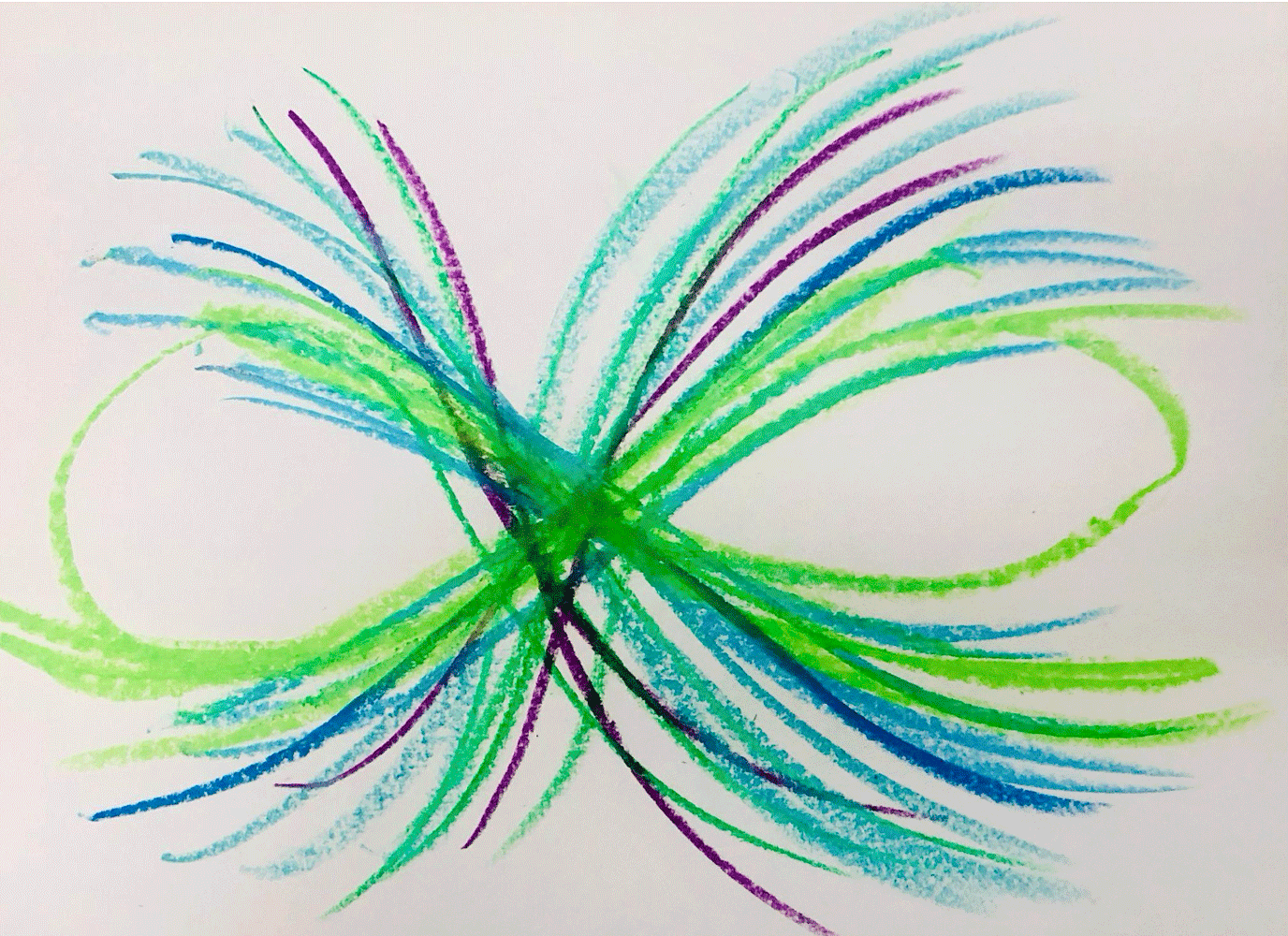
Figure 1. Eva’s bilateral drawing (recreated by the author to protect anonymity).
After repetition, Eva’s breath slowed. She then took another canvas and created the same bilateral lines, adding dots and images of little humans. She invited me to join and we playfully interacted while creating the figures. “I think I’m seeing things more clearly,” said Eva. We continued to create together as we discussed her relationship with her boyfriend.
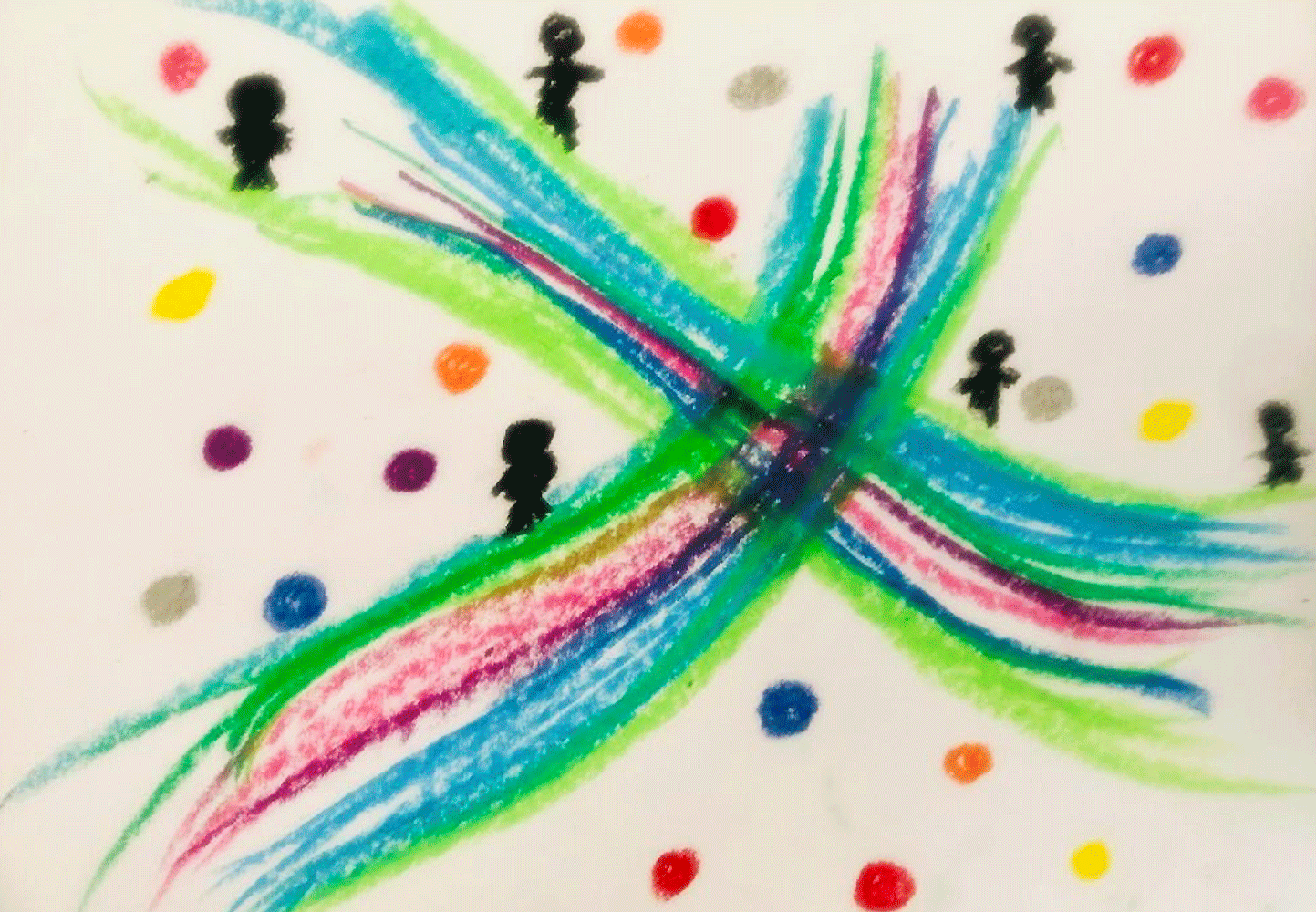
Figure 2. Eva’s Little Humans drawing (recreated by the author to protect anonymity).
The following week, Eva came into the session holding a teddy bear she had sewn out of cloth. “I made it for myself after our session to remind me of the good when I am underwater.” As Eva’s journey of self-discovery continued, she learned to navigate the complexities of her emotions with greater ease, gaining a new sense of self-compassion and a transformative sense of empowerment, especially when she found herself “being pulled back into the deep water”.
Discussion
PVT offers an integrative, body-based framework that emphasises autonomic state regulation, social engagement, and defensive responding, making it particularly relevant to EXATs. Within this context, the present discussion highlights the intersection of EXATs and ANS functioning, and the capacity of sensory, relational, and creative processes to influence vagal regulation and support self-regulation. A central strength of this approach lies in its experiential orientation, which allows access to regulatory processes beyond primarily cognitive interventions (Malchiodi, 2020; Pénzes et al., 2025).
Engaging the ventral vagal state through the EXATs
Through the EXATs, individuals can learn to regulate themselves during moments of dysregulation, promoting a shift from a state of heightened arousal to one of clarity and connection. This empowers individuals to navigate their emotional landscapes without being overwhelmed by physiological, mental, and emotional responses. This is particularly important for individuals whose sympathetic and/or parasympathetic nervous systems have been primed by chronic or repeated stressors, so that one small perceived threat can catapult them into states of fight, flight, freeze, or appease.
Eva, who often found herself quickly triggered into sympathetic states by loud surroundings, conflicts, or stress, began to experience a shift in states by engaging with the arts. This allowed for a renewed sense of safety and connection. Through a path of emotional exploration supported by creativity, Eva was able to work through sympathetic charge and move towards ventral vagal activation, where she could engage more fully.
The different modalities Eva engaged with had distinct effects on her vagus nerve and played a central role in modulating her body’s response to stress. Furthermore, the inherent movement and repetitive qualities of the EXATs can stimulate the ventral vagal state. In Eva’s therapeutic journey, interventions that evoked kinaesthetic empathy (Chace, 1975) through movement mirroring, sound, and art-making provided her with means to discharge excess tension and stimulate the vagus nerve, leading to a state of embodied regulation. As illustrated in Eva’s live portrayal (Medley, 2021), physically pendulating between states of activation as a teenager and as an adult allowed her to release unresolved emotions and connect to regulation (Levine, 1997, 2010).
Creating a pendulation of movements between areas of activation can facilitate the deactivation of dysregulated energy from the body. Gentle pacing by a skilled clinician is necessary, as pendulation can elevate discomfort. Tolerating such discomfort allows for one to expand one’s window of tolerance or the range of emotional and physiological arousal within which one can function effectively (Siegel, 1999). Expressive arts interventions allowed Eva to remain within her window of tolerance while engaging with activating content, a critical element in the therapeutic process. In this vein, the EXATs can offer a unique method for individuals to engage with dysregulation in a controlled and tolerable way. By incorporating artistic experiential processes, individuals can tap into painful events and emotions and activate dysregulated states while remaining within their window. Such processes allow individuals to dip their toes into the water of dysregulation and then return to the shores of self-regulation without becoming overwhelmed. Eva’s therapeutic process demonstrates this principle, as the expressive arts provided a means for her to stay connected with her emotions without being overtaken by them when facing distressing situations. Furthermore, the arts facilitated a process where she could experience, work through, and release sympathetic charge in a safe and controlled environment, gradually connecting with the energy of regulation.
Activating dysregulating states can bear potentially harmful effects if not managed carefully, and may lead to retraumatisation or a feeling of stuckness. However, the inherent movement and rhythm within the arts provide a safeguard against these risks. The arts enable individuals to gently connect with their internal experiences and emotions in a way that promotes movement and change, rather than reinforcing states of trauma or stagnation. Hence, the arts allowed Eva to explore and express deep-seated emotions such as anger and fear without becoming retraumatised. The creative process facilitated a discharge of pent-up energy and emotions, enabling her to transition from a state of dysregulation to one of focus and presence. This is particularly important for individuals who, like Eva, might otherwise remain in a state of sympathetic arousal or dorsal vagal shutdown.
In addition, PVT emphasises that dysregulation is not limited to trauma or complex PTSD cases; everyday triggers can easily push individuals outside of their window of tolerance (Siegel, 1999). Eva’s experiences illustrate this notion, as such instances easily activated her sympathetic nervous system. The key to healing lies not in avoiding these triggers, but in learning how to return to a state of regulation when experiencing the trigger. By engaging with the EXATs, Eva learned to intentionally use creative expression to shift her autonomic responses and stay within her window of tolerance while working through activating content. The ability to self-regulate in the face of everyday stressors is a critical outcome of her therapeutic process.
Practical implications for the therapeutic processes
Eva’s journey highlights several key therapeutic implications. First, since much effort is exerted in dysregulation, the EXATs can provide a non-strenuous, safe, and supportive way to connect individuals with regulation. Unlike more effortful interventions, the arts offer a gentle path that allows for a natural shift in autonomic states. This is particularly important for individuals who, like Eva, may live much of their lives outside of their window of tolerance. The arts are also malleable and can shift to provide access to healing for diverse populations and presentations, safely connecting through the sensory.
Moreover, the arts can bypass the cognitive processes often associated with regulation techniques, such as intentional breathing or meditation. Instead, they offer a direct route to autonomic regulation by allowing for the discharge of energy and emotional movement without the need for conscious effort. The arts can act as healing tools for therapists, as they may enable individuals to engage in self-regulation without the added burden of cognitive strain.
Lastly, the use of symbols and creative expression within therapy, such as Eva’s creation of a teddy bear, can serve as potent anchors for self-regulation. These symbolic acts reinforce therapeutic progress and provide tangible reminders of an individual’s capacity for resilience and self-compassion. Eva’s teddy bear can be viewed as a symbolic transitional object (Winnicott, 1953), bridging safety between the therapeutic space and her everyday life. Her therapeutic journey underscores the EXATs’ transformative powers. Specifically, for Eva, the arts provided a way to bypass cognitive effort that can be associated with intentional regulation strategies, allowing her body to move naturally from one state to another. This process not only facilitated regulation but also empowered Eva to connect with deeper emotions and experiences, navigating dysregulated states to a more grounded and centred state of being.
Conclusion
Eva’s case study illustrates the profound impact that polyvagal-informed EXATs can have on emotional regulation and self-perception. By understanding and addressing the physiological underpinnings of her anxiety and fear, Eva was able to develop greater emotional resilience and a grounded sense of self. The integration of breathwork, body-focused interventions, and creative expression facilitated her journey toward autonomic regulation, enhancing her capacity for social engagement and emotional connection.
This case study highlights the interplay of PVT and EXATs to support individuals in navigating their emotional landscapes with greater efficacy and confidence in a world of increasing complexity. It emphasises the importance of creating a therapeutic environment that fosters safety, connection, and the gentle exploration of dysregulated states. Furthermore, Eva’s case introduces the importance and application of creative interventions that include artistic modalities across therapeutic settings. Lastly, Eva’s case strengthens the notion that, through the arts, individuals can learn to engage with autonomic responses in ways that promote healing, resilience, and meaningful emotional transformation.
At the same time, a balanced review of the PVT requires acknowledgment of ongoing critiques. These include questions regarding its evolutionary claims, the mapping of ventral and dorsal vagal pathways onto social behaviours, and the reliance on physiological indicators of vagal functioning (Grossman, 2023). Moreover, although polyvagal-informed practices are widely applied, empirical research examining polyvagal-informed EXATs remains warranted (Pénzes et al., 2025). In this vein, Eva’s case is intended to be viewed as a clinical practice illustration rather than generalisable across populations.
Lastly, it is also important to note that clinicians must be trained in PVT and EXATs to ensure they possess the baseline knowledge necessary to apply them safely. Furthermore, it is encouraged that clinicians have practised intentionally connecting with their autonomic states and that they have an awareness of these states while engaging in clinical practice.
References
Berrol, C.F. (2006). Neuroscience meets dance/movement therapy: Mirror neurons, the therapeutic process and empathy. The Arts in Psychotherapy, 33, 302–315. https://doi.org/10.1016/j.aip.2006.04.001
Chace, M. (1975). Her papers (Ed. H. Chaiklin). American Dance Therapy Association.
Dana, D. (2018). The polyvagal theory in therapy: Engaging the rhythm of regulation. W.W. Norton.
Dana, D. (2021). Anchored: How to befriend your nervous system using polyvagal theory. Sounds True.
Danese, A., & McEwen, B.S. (2012). Adverse childhood experiences, allostasis, allostatic load, and age-related disease. Physiology & Behavior, 106(1), 29–39. https://doi.org/10.1016/j.physbeh.2011.08.019
Devereaux, C. (2017). An interview with Dr. Stephen W. Porges. American Journal of Dance Therapy, 39(1), 27–35. https://doi.org/10.1007/s10465-017-9252-6
Diamond, S., & Lanskey, C. (2024). An opportunity to find oneself at the end of a paintbrush: Exploration of an artist-led prison intervention model bringing people from prison and local community together. Psychology of Aesthetics, Creativity, and the Arts, 18(1), 3–13. https://doi.org/10.1037/aca0000589
Eckhaus, R., & Hedlund-Nelson, M. (2024). Creating attachment: The expressive therapies as a multisensory-relational modality to foster secure attachment. Reflections: Narratives of Professional Helping, 30(2), 23–39. https://reflectionsnarrativesofprofessionalhelping.org/index.php/Reflections/article/view/2045
Elbrecht, C. (2018). Healing trauma with guided drawing: A sensorimotor art therapy approach to bilateral body mapping. North Atlantic.
Erkkilä, M., & Samaritter, R. (2023). Safe space in dance therapy – a phenomenological inquiry. Body, Movement & Dance in Psychotherapy, 19(1), 5–19. https://doi.org/10.1080/17432979.2023.2231992
Geller, S.M., & Greenberg, L.S. (2023). Neurobiology of therapeutic presence. In In S.M. Geller & L.S. Greenberg, Therapeutic presence: A mindful approach to effective therapeutic relationships (2nd ed., pp.195–209). American Psychological Association. https://doi.org/10.1037/0000315-011
Gray, A.E.L. (2017). Polyvagal-informed dance/movement therapy for trauma: A global perspective. American Journal of Dance Therapy, 39(1), 43–46. https://doi.org/10.1007/s10465-017-9254-4
Grossman, P. (2023). Fundamental challenges and likely refutations of the five basic premises of the polyvagal theory. Biological Psychology, 179, 108589. https://doi.org/10.1016/j.biopsycho.2023.108589
Haeyen, S. (2024). A theoretical exploration of polyvagal theory in creative arts and psychomotor therapies for emotion regulation in stress and trauma. Frontiers in Psychology, 15, 1382007. https://doi.org/10.3389/fpsyg.2024.1382007
Hass-Cohen, N. (2016). Secure resiliency: Art therapy relational neuroscience trauma treatment principles and guidelines. In J. King (Ed.), Art therapy, trauma and neuroscience: Theoretical and practical perspectives (pp.100–138). Routledge.
Hedlund-Nelson, M. (2020). Art, movement and the body: An art-based research exploration of slow, gentle, and repetitive painting movements (Publication No. 99). [Dissertation, Lesley University]. Expressive Therapies Dissertations. https://digitalcommons.lesley.edu/expressive_dissertations/99
Hinz, L.D. (2009). Expressive therapies continuum: A framework for using art in therapy. Routledge.
Kestly, T.A. (2016). Presence and play: Why mindfulness matters. International Journal of Play Therapy, 25(1), 14–23. https://doi.org/10.1037/pla0000019
King, J. (2016). Art therapy, trauma, and neuroscience: Theoretical and practical perspectives. Routledge.
Kossak, M. (2015). Attunement in expressive arts therapy: Toward an understanding of embodied empathy. Charles C. Thomas.
Levine, P. (1997). Waking the tiger: Healing trauma. North Atlantic.
Levine, P. (2010). In an unspoken voice: How the body releases trauma and restores goodness. North Atlantic.
Levine, P. (2015). Trauma and memory: Brain and body in a search for the living past. North Atlantic.
Malchiodi, C. (2020). Trauma and expressive arts therapy: Brain, body and imagination in the healing process. Guilford.
McEwen, B. (2007). Physiology and neurobiology of stress and adaptation: Central role of the brain. Physiological Reviews,87(3), 873–904. https://doi.org/10.1152/physrev.00041.2006
McEwen, B., & Gianaros, P. (2011). Stress- and allostasis-induced brain plasticity. Annual Review of Medicine, 62, 431–445. https://doi.org/10.1146/annurev-med-052209-100430
McEwen, B., & Stellar, E. (1993). Stress and the individual: Mechanisms leading to disease. Archives of Internal Medicine, 153(18), 2093–2101. https://pubmed.ncbi.nlm.nih.gov/8379800/
Medley, B. (2021). Portrayals in work with emotion in AEDP: Processing core affective experience and bringing it to completion. In D. Fosha (Ed.), Undoing aloneness and the transformation of suffering into flourishing: AEDP 2.0 (pp.217–240). American Psychological Association.
Misto, R. (2016). Yoga of sound music therapy system: Techniques acting on autonomic nervous system. Nordic Journal of Music Therapy, 25, 104–105.
Moon, B. L. (2010). Art-based group therapy: Theory and practice. Charles C. Thomas.
Pénzes, I., Abbing, A., & de Witte, M. (2025). How to use theories to explain effects of the creative arts therapies: The case of Polyvagal Theory. The Arts in Psychotherapy, 93, 102316. https://doi.org/10.1016/j.aip.2025.102316
PESI Publishing & Media (Director). (2013). A neural love code: The body’s need to engage and bond. [Film]. PESI.
Porges, S. (1995). Orienting in a defensive world: Mammalian modifications of our evolutionary heritage. Psychophysiology, 32(4), 301–318. https://doi.org/10.1111/j.1469-8986.1995.tb01213.x
Porges, S. (2009). Reciprocal influences between body and brain in the perception and expression of affect: A polyvagal perspective. In D. Fosha, D.J. Siegel, & M.F. Solomon (Eds.), The healing power of emotion: Affective neuroscience, development & clinical practice (pp.27–54). W.W. Norton.
Porges, S. (2011). The polyvagal theory: Neurophysiological foundations of emotions, attachment, communication, and self-regulation. W.W. Norton.
Porges, S. (2017). The pocket guide to the polyvagal theory: The transformative power of feeling safe. W.W. Norton.
Porges, S. (2022). Polyvagal theory: A science of safety. W.W. Norton.
Richardson, C., Yasenik, L., & Goodyear-Brown, P. (2024). Expressive arts therapy as polyvagal play: Shifting states towards safety. In P. Goodyear-Brown & L.A. Yasenik (Eds.), Polyvagal power in the playroom (1st ed., pp.208–218). Routledge. https://doi.org/10.4324/9781003352976-16
Siegel, D. (1999). The developing mind: Toward a neurobiology of interpersonal experience. Guilford.
Siegel, D. (2012). The developing mind (2nd ed.). Guilford.
Tripp, T. (2007). A short term therapy approach to processing trauma: Art therapy and bilateral stimulation. Art Therapy, 24(4), 176–183. https://doi.org/10.1080/07421656.2007.10129476
Tripp, T. (2016). A body-based bilateral art protocol for reprocessing trauma. In J. King (Ed.), Art therapy, trauma, and neuroscience:Theoretical and practical perspectives (pp.173–194). Routledge.
Tripp, T. (2022). Art therapy and EMDR: Integrating cognitive, somatic, and emotional processing for treating trauma. In E. Davis, J. Fitzgerald, S. Jacobs & J. Marchand (Eds.), EMDR and creative arts therapies (pp.176-207). Routledge/Taylor & Francis.
van der Kolk, B. (2014). The body keeps the score: Brain, mind and body in the healing of trauma. Viking Penguin.
Williamson, A. (2021). Self-regulation, co-regulation and cardio-ception: Parasympathetic ease-and-release in somatic movement dance therapy. Dance Movement & Spiritualities, 8(1), 109–161. https://doi.org/10.1386/dmas_00030_1
Winnicott, D.W. (1953). Transitional objects and transitional phenomena: A study of the first not-me possession. International Journal of Psychoanalysis, 34, 89–97. https://pep-web.org/browse/document/IJP.034.0089A
Authors

Rami Eckhaus
PhD, MA, BA, ICEEFT
Rami is an expressive psychotherapist and faculty member at Ono Academic College, where he teaches graduate courses in arts-based research and ethics in psychotherapy. He holds a PhD in Expressive Therapies from Lesley University. Rami maintains a private practice, working with individuals and couples, and is a certified Emotionally Focused Therapist (EFT-C). His clinical approach integrates expressive arts, AEDP, schema therapy, and body-oriented modalities. His research and professional interests focus on expressive arts therapy practice, couple therapy, attachment, and the interaction between body and mind. Rami regularly presents at international conferences on expressive and body-based psychotherapy.
Email address: ramieck@gmail.com

Melissa Hedlund-Nelson
PhD, MA, BA, BS, ATR-BC, AATA
Melissa is a licensed clinical professional counsellor, board-certified registered art therapist, a certified EMDR therapist and a somatic experiencing practitioner. She holds a PhD in Expressive Therapies from Lesley University and a MA in Counseling Psychology: Art Therapy from Adler University. She is clinical supervisor at Endeavor Health Medical Group, adjunct professor at Mount Mary University and Adler Graduate School and has founded The Light of the Heart nonprofit. Her research explores movement-based art-making, trauma, embodiment, ultrarunning, endurance and grit, informing expressive arts therapy practice, pedagogy and scholarship.
Email address: mhedlund@thelightoftheheart.org