

Open Access
Published: March 2026
Licence: CC BY-NC-4.0
Issue: Vol.21 No.1
Word count: 597
About the author
Cite this creative contributionPsaila-Savona, M. (2026). Together we grow stronger. JoCAT, 21(1). https://www.jocat-online.org/c-26-psailasavona

In recognition of
International Women’s Day
8 March
Together we grow stronger
Michaela Psaila-Savona
with collaborating artists –
Anna Sasson, Anna O’Sullivan, Jane Newton, Natalie Ariti, Janine Saseski, Tanya Ramsden, Katja Prince, Jennifer White, Juanita Ferreira, Miriam Gamali-Prince
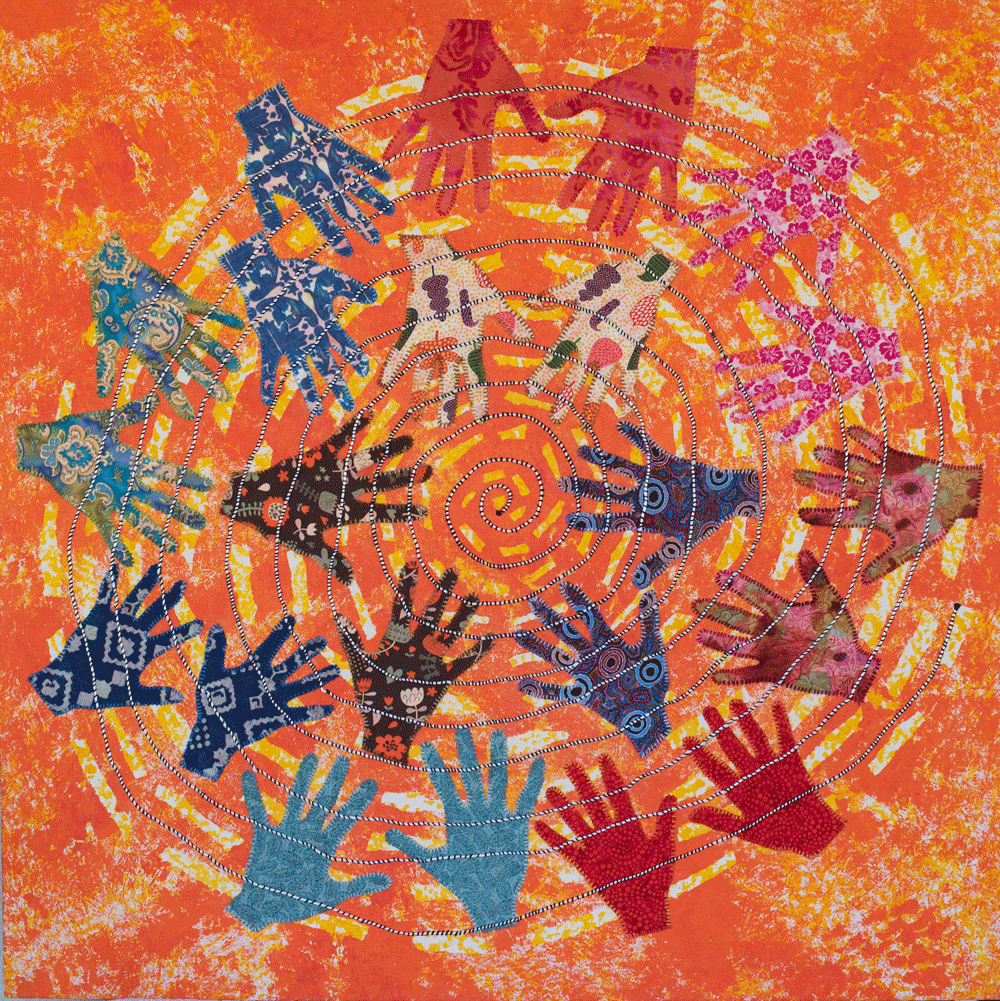
Figure 1. Michaela Psaila-Savona, Together We Grow Stronger, 2026, hand embroidery, various cotton fabrics, embroidery thread, acrylic paint on calico, Photograph: Alice Poli, 1050 × 1050mm.
Abstract
This art project Together We Grow Stronger celebrates women coming together to support and strengthen one another through creative connections (Figure 1). The work uses colours, patterns, and the repeated symbol of hands to explore the thematic concepts of collective care, resilience, and shared experience in women. Each hand is unique, carrying its own story, yet together they form something stronger than any single one alone. Grounded in an art therapy process, this imagery reflects how women grow through community; how being seen, held, and supported fosters healing, empowerment, and self-understanding. Responding to the International Women’s Day 2026 theme ‘Balance the Scales’, the gathering of hands becomes a therapeutic and symbolic act of solidarity, representing collective strength, advocacy, and the rebalancing of voice, agency, and justice through shared creative expression.
Keywords
Relational healing, shared experience, Balance the Scales, voice and agency, creative expression, community-based art
The creative process
Eleven women, including myself, contributed to this project, each selecting a fabric that reflected her identity and lived experience (Figure 2). Although the other women did not assemble the final composition, their presence, stories, and symbolic gestures formed the foundation of this artwork.

Figure 2. Michaela Psaila-Savona, Women and Their Fabric Samples, 2026, paper, cloth, 355 × 275mm.
This project began as a simple tracing activity, completed across varying relaxed gatherings with family and friends (Figure 3). Over time, these meetings deepened. What started as surface-level conversation gradually unfolded into more meaningful dialogue, held within the safety of mutual witnessing and shared trust. Prevailing concerns of visibility, gender equity, and voice reminded me of the 2026 International Women’s Day theme, ‘Balance the Scales’. The circle of women spoke of feeling ignored and silenced, alongside experiences of anxiety, illness, fatigue, and resilience. Within these gatherings, I witnessed how connection became both a container and catalyst for growth. My observations reflected the beliefs of relational-cultural theorists, who propose that growth is developed through authentic connection and shared empathy rather than individual isolation (Jordan, 2010).

Figure 3. Michaela Psaila-Savona, Traced Paper Hand Stencils, 2026, paper.
After completing all the tracing sessions, I prepared the canvas (Figure 4), then gathered the hands to begin the slow process of hand-stitching them into the final composition. The repetitive rhythm of stitching became contemplative and embodied. As needle passed through fabric, I found myself revisiting conversations, emotions, and shared laughter. Malchiodi (2020) theorises that tactile and sensory engagement enable the integration of memory and emotional experiences throughout the body, rather than just within a person’s condition. Thus, my creation process was not separate from the relationships and conversations; it was a continuation of them.
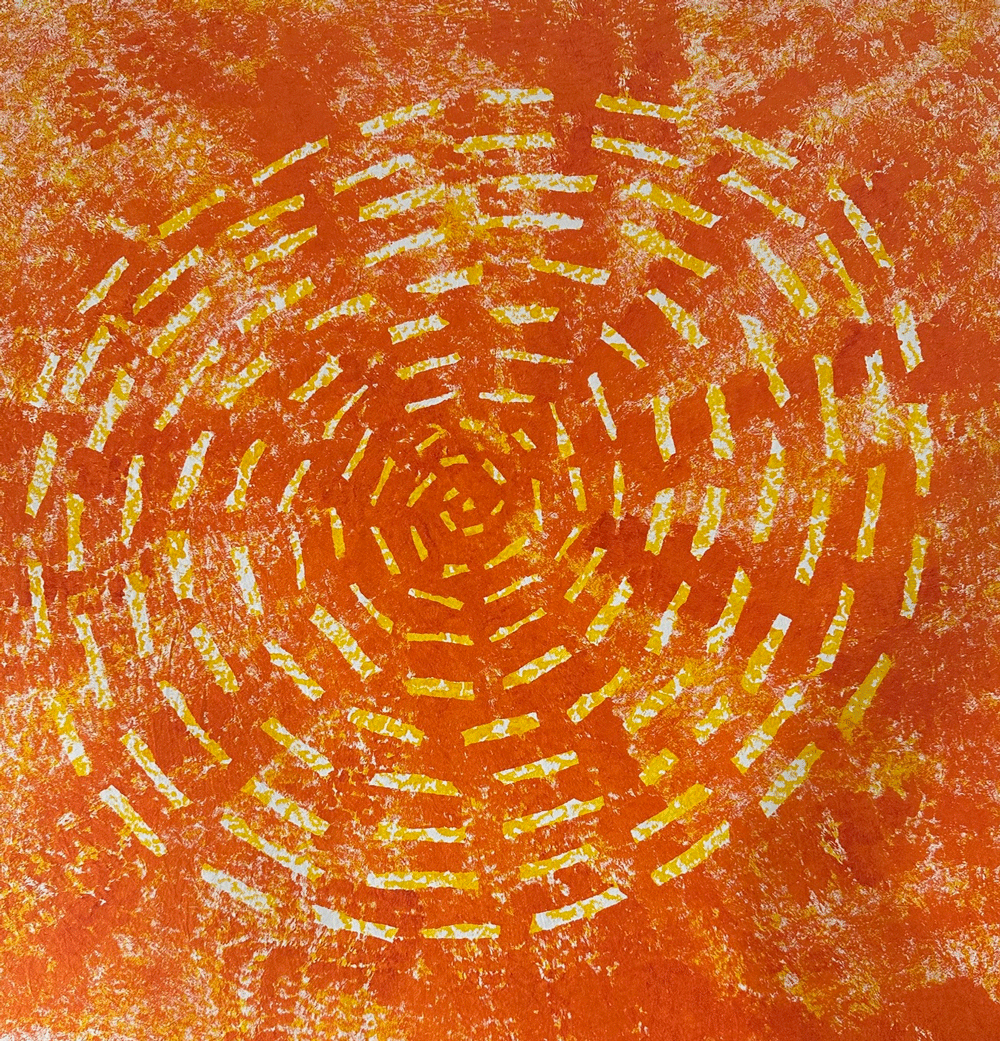
Figure 4. Michaela Psaila-Savona, Together We Grow Stronger: Layered Stencil, 2026, acrylic paint on calico, 1050 × 1050mm.
As this project progressed, I continued to nurture the connection between my art and the women involved, by updating them on the progress of the art piece. Many of the women felt pride and belonging when they saw how their individual imprinted identity had been transformed into a unified story of women’s empowerment. Their reactions demonstrated how visual metaphors can foster connection and belonging, as shared creative experiences can facilitate bonding, empathy, and mutual understanding among participants (Gallagher et al., 2024). The hands, once only individual outlines on paper, became part of a collective body and a visible metaphor for solidarity.
The symbolism of hands gradually revealed itself as the central motif of this art piece (Figure 5). Hands are complex, with their ability to hold, create, nurture, protect, and destroy. While stitching the fabric handprints, I perceived the slow and monotonous process of stitching as an act of holding: holding stories, holding vulnerability, holding strength. I bore the weight of the women’s trust to be their voice and advocate on their behalf through this art piece. I found that through learning about others’ lived experiences and relating to their stories, my resilience was strengthened (Jordan, 2010).
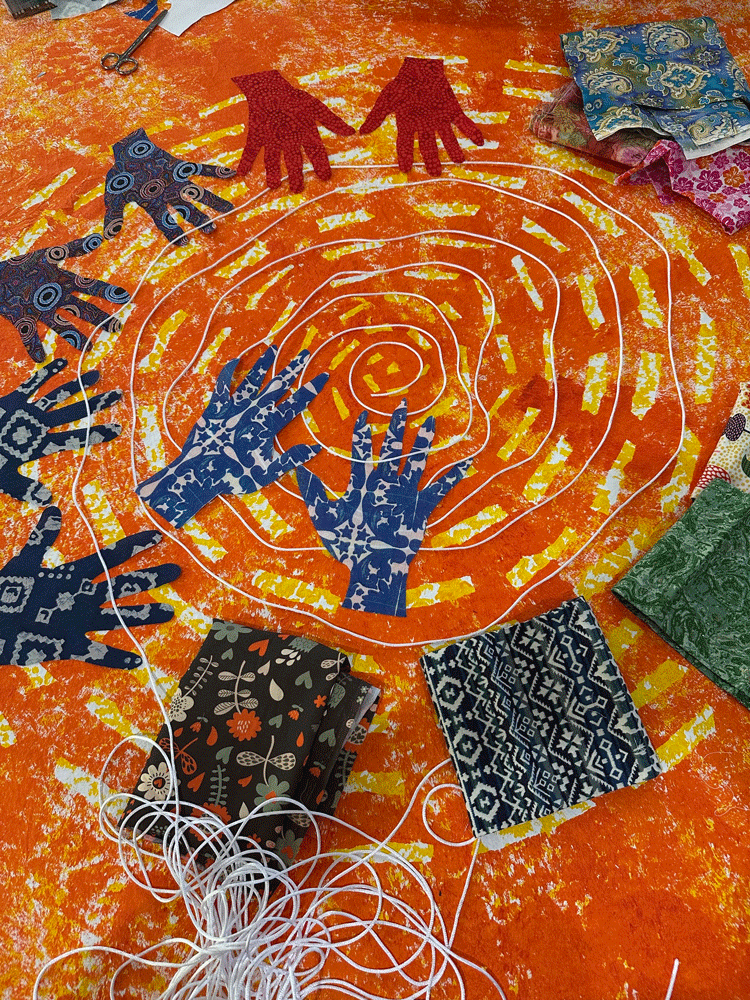
Figure 5. Michaela Psaila-Savona, Together We Grow Stronger: All Coming Together, 2026.
Finally, the handprints were placed in a circular formation to symbolise the collective strength gained through shared connections. Echoing the International Women Day’s theme ‘Balance the Scales’, balance and equity are explored, with each handprint standing as its own distinct identity, but when in proximity with others, its identity is reinforced and strengthened (Figure 6). This project functioned as a therapeutic and symbolic vessel for the shared voice and collective strength that women gain from each other, showing how balance is not achieved through silent individual endurance, but rather through creative connection and shared advocacy.
Ultimately, this project reflects my gratitude for the communities that hold me. It affirms my belief that healing is not created in isolation, but through connections where we are seen, heard, and woven, carefully and intentionally, into one another’s lives.
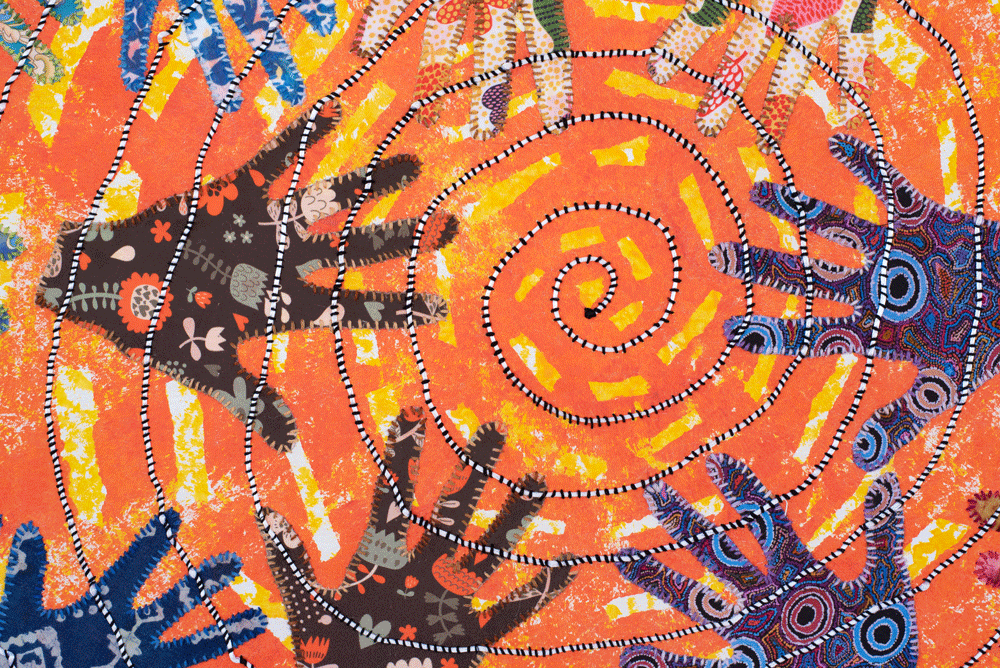
Figure 6. Michaela Psaila-Savona, Together We Grow Stronger: Close-up, 2026. Photograph: Alice Poli, 1050 × 1050mm.
References
Gallagher, L., Shella, T., Bates, D., Briskin, I., Jukic, M., & Bethoux, F. (2024). Utilizing the arts to improve health, resilience, and well-being. Frontiers in Public Health.
Jordan, J.V. (2010). Relational-cultural therapy. American Psychological Association.
Malchiodi, C.A. (2020). Trauma and expressive arts therapy: Brain, body, and imagination in the healing process. Guilford Press.
Author
Michaela Psaila-Savona
MCAT AThR, BA Nursing, BA Art and Design
Michaela is a registered creative arts therapist and textile and mixed-media artist based in Perth, Western Australia, working in private practice. She supports children and adults experiencing mental health challenges, neurodivergence, complex life impacts, and difficulties affecting emotional wellbeing and quality of life. Michaela integrates creative arts with evidence-informed therapeutic approaches to help clients process emotions, strengthen connection, build resilience, and support personal growth. Drawing on her background in art, nursing, and creative arts therapies, she uses artmaking as a tool for healing, reflection, and insight, with a particular interest in supporting women navigating significant life transitions and identity change.