

Open Access
Published: November 2025
Licence: CC BY-NC-4.0
Issue: Vol.20, No.2
Word count: 3,490
About the creator
Inquiring into inquiry: A reflexive portrait of autoethnographic arts-based research
RTM
Abstract
“Did you notice?” – a question posed toward the midpoint of this piece – playfully foregrounds the overlooked, inviting readers into a reflexive moment of noticing within autoethnographic arts-based inquiry. Beginning as a gentle provocation for peers, centred on two image-based provocations from a postgraduate presentation, this piece illuminates the interplay between researcher, artwork, and embodied epistemologies. Rather than a patchwork of “sometimes neurodivergent, sometimes neurotypical,” I am wholly RTM, and RTM is wholly neurodivergent. My way of being in inquiry – sensory, heuristic, emergent – is simply my natural way of knowing, being, and making meaning. The piece poses playful yet profound questions: Who speaks in arts-based inquiry – the artist or the art? Whose knowledge is guarded, and by whom? Through subtle humour and visual metaphor, readers are invited to notice the rich meta-dialogue unfolding at the intersection of creativity, self-inquiry, and neurodivergent, embodied ways of knowing.
Keywords
Arts-based research, artworks as relational others, autoethnography, embodied knowing, epistemology, inquirism, neurodivergence
Cite this creative contributionRTM. (2025). Inquiring into inquiry: A reflexive portrait of autoethnographic arts-based research. JoCAT, 20(2). https://www.jocat-online.org/c-25-rtm
Introduction
This reflective piece is centred around two images, Autoethnographic arts inquiry portrait (Figure 7) and Basket of epistemology (Figure 8), which were included within the final presentation for my Master’s in Therapeutic Arts Practice specialising in arts-based research studies at The MIECAT Institute, and offered as a playful provocation to my peers as a post-presentation reflection.
🤓 I consider them to be conceptual gold.
Gold I tell you!!
The general rule – within APA 7th referencing – when referring to figures in a body of writing, is to place the figures directly before or after the paragraph of text to which they relate, and in the order in which they are mentioned. You will notice that whilst I have named two figures above, they do not appear until later in this reflection.
Why this deviation from usual practice? This is a story, a reflective telling, rather than a presentation of findings. At this point in the story, my aim is to let you know who the stars of this story are; however, there is background context to be shared before we are ready to meet them. I am attempting to look after both you, dear reader – facilitating your understanding of what is going on – AND the story being shared.
Metta
A significant part of my master’s inquiry was the emergently created body of work, which became a collaborative, co-becoming, therapeutic relational other known as Metta [1] (Figure 1).
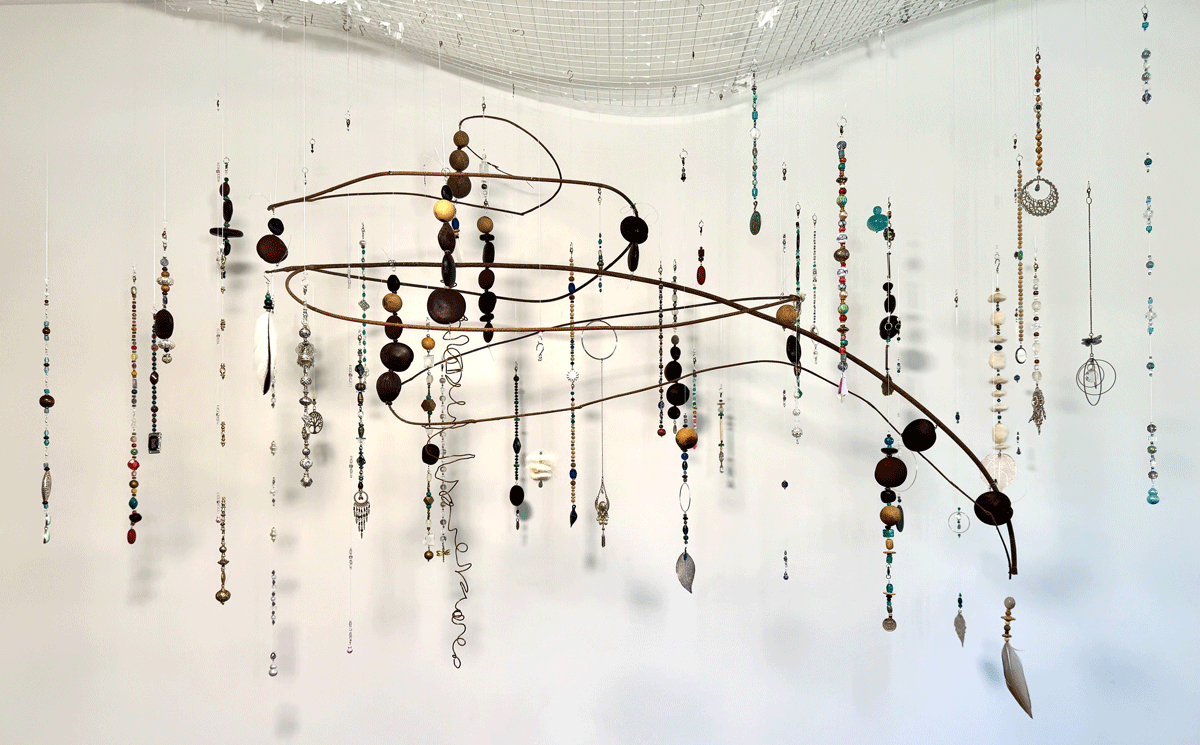
Figure 1. Photograph of Metta.
Note. Metta’s dimensions are 1300 x 1800 x 800 mm. This photograph was taken by RTM.
Metta strand making, out of heart-aching
Amid the chaos of space, place, and ambiguity
She is determinded to come into being
Building herself from the rubble of loss
Metta became the inquiry embodied.
She is what I came to know, how I came to know it, and what I hope to do with what I have come to know. Held in her is a reflection of my lived experiences over the course of the inquiry. She is remarkable. I cherish her deeply. Spending time with her – observing and learning from her – is a joy. And, goodness, is she ever opinionated and demanding!
Metta began in a different form, now referred to as OG-Metta; however, due to ongoing disruptions after the unprecedented and catastrophic flooding in Far North Queensland in December 2023, following ex-tropical cyclone Jasper, the growing body of work had to be disassembled and packed away (Figure 2; RTM, 2024c).
Figure 2. RTM, OG-Metta’s dismantlement, 2024, video.
Opportunity to reassemble seemed unlikely; Metta’s future was left uncertain.
However, Metta had different plans. She yearned to exist, and it seems she desired to do so in considerable size.
Some elements existed in OG-Metta that felt important to be included in Metta’s new form:
Transparency
A significant aspect of OG-Metta, transparency, has been integrated into Metta in various ways. The top support scaffold is made of clear Perspex. Although the gridded mesh wire framework for hanging could not be crafted from transparent materials, I painted the metal white to ensure it blends seamlessly into a room with white walls and ceilings. The wires that stabilise Metta’s structure are composed of clear fishing line. I intentionally left the excess bits untrimmed when securing her, as I believe in being transparent about her creation process. I also do this when I draw, resisting the erasure of the foundational marks. Transparency is also a key feature of Metta’s structural component. The vine and seed-bead structure is open and spacious, allowing for visibility through, in, and around her. The strands are strung on clear fishing line, and I incorporated clear or transparent supporting-role beads where they aesthetically fit. I refer to them as supporting-role beads because they are not the focal point of the strand.
Detachability
Metta is entirely detachable. The strands symbolise the transparent contact sheets from OG-Metta, which served as a daily printout of all images created, displayed chronologically as a visual tracking system. I hung these sheets with bulldog clips, emphasising the importance of making the data easily retrievable for exploration, engagement, and thoughtful consideration before returning it to its designated place.
In recreating this detachable retrievability in Metta, I used lobster clasps and small hooks to attach everything. This allows me to effortlessly remove and examine the components and rearrange them as needed.
Colour
I have reflected the colours from OG-Metta in the strands, utilising similar palettes and themes throughout.
Reflection
One remarkable aspect of Metta, including OG-Metta, is her ability to mirror qualities of myself that I had been unable to see. Through her movements and colours I saw gentle, soothing calm, and beauty. She reflected the inquiry and various aspects of my lived experience. She reflects qualities that I therapeutically needed, a goal I had not intentionally aimed to achieve; it was an unexpectedly delightful surprise. While much of what has been inquired into has been challenging and intense, she introduced colours and movements that are both pleasing and calming. Additionally, she provided opportunities for reflection and contemplation.
In August 2023 I relocated to Far North Queensland. Come December, I was facing the aftermath of post-cyclone floods, and in early 2024 I had been relocated a distance from my home, as the house was deemed unliveable. As someone who experiences the social-interaction challenges sometimes experienced by autistic individuals (Chan et al., 2023), I struggle with meeting new people and forming friendships. While my loyal canine companion, Pip, was always by my side and provided excellent company, at that time, my social world was thin, and I often felt unmoored. I do not need to know many people or maintain a bustling social calendar; I prefer quality over quantity and have little patience for small talk. However, I recognise the importance of human connections and the sense of belonging they provide. By April, however, the beginnings of three significant friendships emerged, each of which profoundly shaped my year and became woven into Metta’s becoming. For the sake of this inquiry, I refer to them as Savant, Maximal, and Grou.
Metta’s structure is crafted from vines collected from the forest and beads made from seeds found on beaches. The vines were gathered during early morning walks with my friend Savant, where we engaged in profound philosophical discussions. Those moments were invaluable to me; they provided physical exercise and the rare joy of sharing expansive conversations with good company.
The seed beads were a gift from Grou, whose garden I had stayed in for a few weeks. Grou had an immense bowl filled with an assortment of seeds collected from beaches during their travels across the country. One day, Grou gave me a gift – a strand made of seed-beads. I found it to be highly aesthetically desirable – I liked the way it looked, the shape of it, and the colours. I had never made a strand before, and I loved this one so much that it inspired me to make many more.
Then there is Maximal, the first friend I made. An artist, she is maximal in every way, particularly with colour. In contrast, my own approach to colour is usually quite minimal, tending to stick to a single hue and its varying tones. This is partly because I tended to experience aesthetic dissonance when trying to combine multiple colours, leading me to doubt my ability to use colour boldly. Spending time with Maximal influenced a desire to bring more colour in. While Metta is vibrant, and I delight in her colourful presence, she still embodies a more subdued use of colour than Maximal’s exuberant style.
Metta’s strands are made from various materials – from seeds to Pip-felts – felted balls of fur donated by my beloved canine companion Pip (RTM, 2024a).
Their origin, however, began with the flood-fucked.
What do I mean by the flood-fucked?
While sorting through items hastily stored in my shed after the floods, I stumbled upon the sturdy travel case I used for my jewellery. It had been about eight months since the disaster, and as I unzipped the case, a rush of rusty-brown floodwater spilled out. I should mention that the floodwaters had become contaminated with sewage due to the local pump station bursting during the event. Unfortunately, any jewellery that was not made of precious metal was irreversibly damaged and could no longer be worn as it once was
After the initial sadness subsided, the idea emerged to deconstruct, salvage, and repurpose the flood-fucked items as materials. I meticulously deconstructed, cleaned, and sorted everything into its components and began crafting strands from them. As I create, I trust that embodied wisdom guides my choices, ensuring that each strand reflects the feelings experienced, the memories held, and the processing unfolding during the making.
Metta required more strands than the flood-fucked had components to accommodate. One of the few non-tourist shops in Kuranda is Possum’s Corner, an op shop offering the closest approximation to art supplies. Just as I had done at the beginning of my inquiry in February, I went to Possum’s Corner to see what I could find. Whatever jewellery they had, I would bring home and dismantle.
An unexpected wonderful came from this: I ended up with all these beads and pendants that I found aesthetically offensive – items I would never have chosen. I began to create strands intentionally using the materials I disliked.
Something magical emerged from this process: some of these strands became my favourites. They are expressive and evocative in ways that would not be present if I had limited myself to appealing materials. Being less controlling and precious over selecting aesthetically pleasing materials, design, and placement has opened up my art, evolving and expanding it beyond what I imagined.
There are pendants among the harvested flood-fucked that hold historical personal meaning and now hang as part of Metta. There is a pendant I wore daily for ten years until the birth of my child, and diamonds passed down from my grandmother. Also included is a pendant handmade by someone who inflicted abuse upon me as a child. I paused to consider whether to include this pendant in Metta. Aesthetically different from what I would create, I felt it would appeal to more people than objects I make. Part of me was curious to see if people would be drawn to this pendant over the others. I was curious how that might make me feel.
I was curious about many things that it might say.
Ultimately, my decision to include it stemmed from the understanding that Metta reflects me – a portrait of myself, informed by and imbued with my lived experiences. The actions of that person back then significantly impacted my being, playing a role in shaping who I now am. This made it feel appropriate to include. I intentionally opt not to share which strands hold historical moments, allowing viewers to ponder each strand equally.
AND
The most delightful, and final, additions – strands made of Pip-felts (Figures 3 and 4). Considering Pip’s lasting influence and presence throughout my degree, it felt essential to include them.
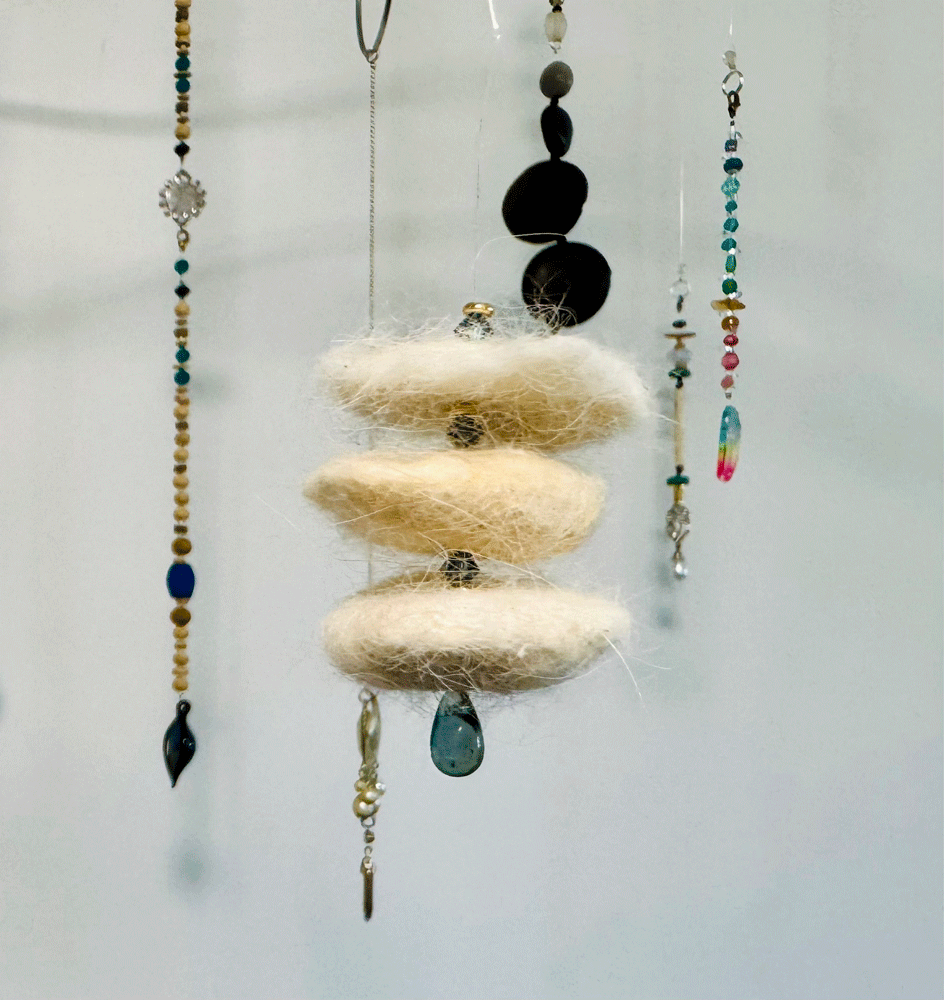
Figure 3. RTM, Pip-felt strand, 2024, felted fur and beads.
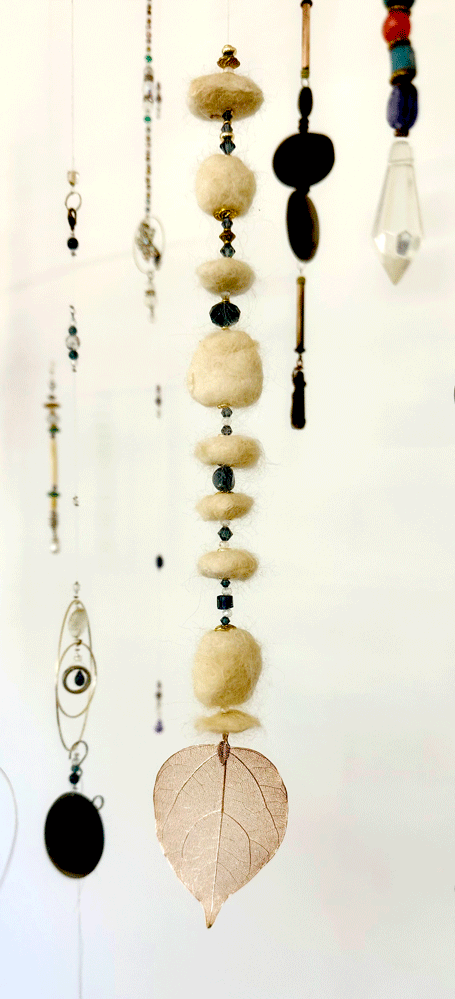
Figure 4. RTM, Pip-felt strand 2, 2024, felted fur, beads, and pendant.
I adore standing inside Metta, able to walk around her and see the world from her perspective. Watching her is a true delight; there is so much to admire. She is stunning – breathtakingly so. Delicate yet strong, she moves and breathes with such gentleness that being in her presence is calming and soothing. I find peace simply by observing her.
Then there is Metta as an artist, having evolved into her own unique creative entity. OG- Metta was also a creative spirit, enchanting us with a mesmerising array of shadows cast upon the wall behind her. Metta continues this tradition, and it was crucial to have a white wall for her to showcase her work. These captivating shadow projections offer profound insights into the aspects of self that we often deem unacceptable and wish to conceal. Yet the shadows she casts are undeniably beautiful, with movements and shapes that are simply delightful. What surprised me about Metta’s artistry is the way she creates with light. The light displays she conjures are astonishing (Figure 5). I would not even know where to begin in creating such art, yet she does it effortlessly.
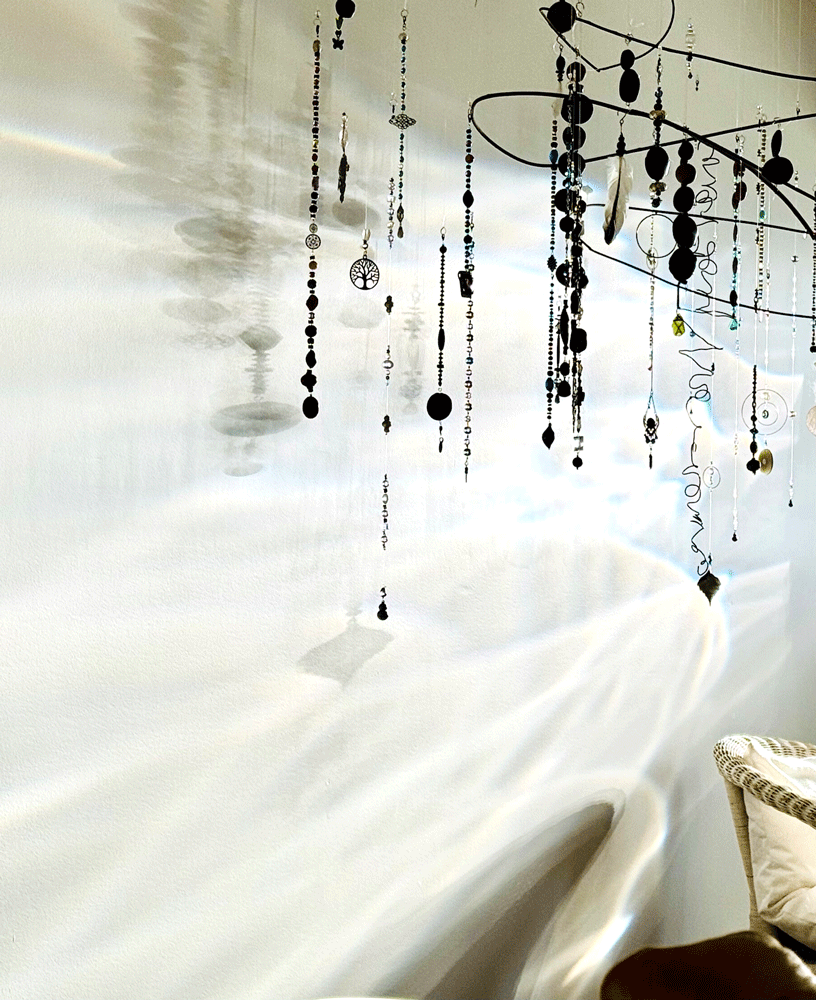
Figure 5. Metta, Shadows in sunlight, 2024. Light and shadow projections.
Note. This photograph was taken by RTM.
Her determination to exist, combined with my commitment to support her becoming, created a deeply therapeutic experience. It empowered me with the resolve and persistence needed to continue amid this year’s challenges. She mirrored qualities in me that I had trouble recognising – beautiful aspects of myself that I had been unable to see. This relationship provided a refuge from the trauma I was experiencing, shifting my focus toward something joyful and aesthetically pleasing. Moreover, she fostered a space where trauma could be transformed into beauty. Figure 6 (RTM, 2025b) shows a glimpse into Metta’s journey.
Figure 6. RTM, Metta’s journey: From flood-fucked to beauty, 2024, video.
The provocations
The function of an artistic provocation is to disrupt and draw attention to possible unnoticed considerations. A provocation invites the audience to pause, notice, and engage in their own reflection, or to initiate dialogues. It does not offer answers, clarity, or definitive truths. It serves to amplify and open, rather than reduce or resolve. Provocation in art is not just about aesthetics; it is relational – it serves to spark conversation and challenge assumptions, and sometimes brushes against taboos or norms. Its role is to invite critical engagement with the work, the world, and with oneself, expanding awareness rather than defining a meaning.
My genius is begging to ask – did you notice?
In some cultures of long-ago times, genius did not mean high intellect. A genius was a creative entity that you had – it was not necessarily brilliant or useful (Gilbert, 2015).
Provocation 1
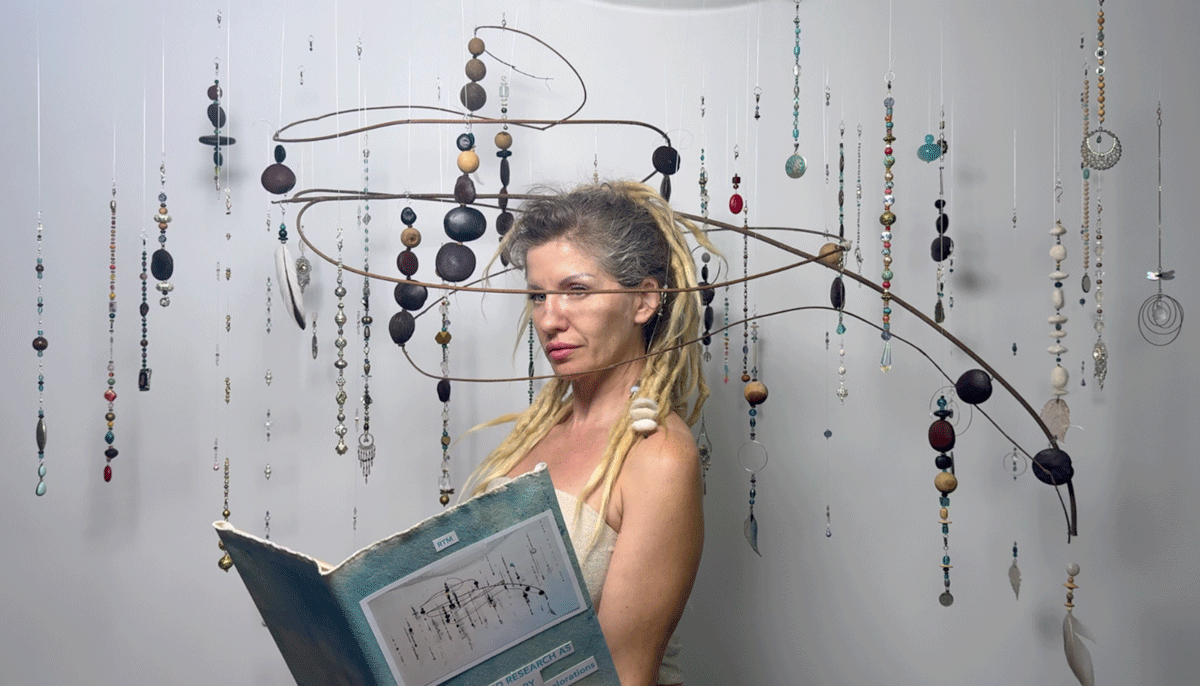
Figure 7. RTM, Autoethnographic arts inquiry portrait, 2024, digital photograph.
Figure 7 shows a portrait of autoethnographic arts inquiry.
We see the researcher – me – sitting within the body of work – Metta – who emerged from the inquiry. I am reading from a book, the cover of which shows my name and an image of Metta.
Auto ✅ ethno ✅ graphy ✅
It speaks to the researcher–research relationship in arts-based research.
Meaning, the researcher’s presence and influence is acknowledged. And it explains that the researcher is within the research, experiencing it and sharing their story of it.
With it.
Through it.
Also, whose perspective is privileged?
Am I telling my tale?
Am I speaking through Metta?
Or is she speaking through me?
It speaks to the artist–artwork relationship – I am within, and she radiates out from. Completely of me AND completely her own thing.
I love this Meta-ness of it:
I am an inquiristic autoethnographic arts-based researcher depicted reading my story of being the inquirer and the inquiry, “inquiring into how I inquire by inquiring into self” whilst seated within the product of the inquiry.
Provocation 2 👌
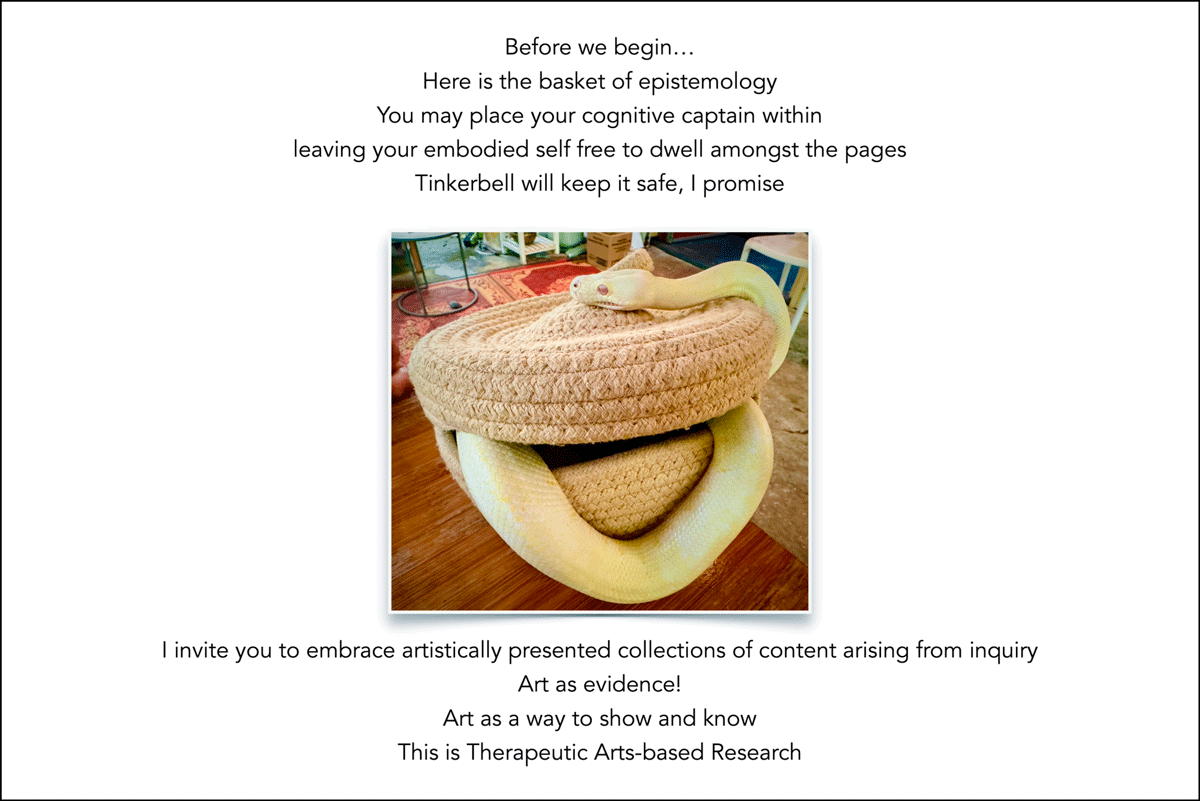
Figure 8. RTM, Basket of epistemology, 2024, digital photograph and text.
A snake guarding a basket of epistemology!! (Figure 8).
Epistemology = the study of knowledge.
Serpents are associated with knowledge, and the guarding of it, across many cultural mythologies.
Is she guarding the Cognitive Captains?
Is she guarding knowledge FROM the Cognitive Captains?
Or is she guarding embodied knowledge from Cognitive Captains?
🤓 What do I mean by ‘Cognitive Captains’?
The term ’Cognitive Captain’ arose as an intersubjective response (ISR) to literature, which I share with you here in raw, as-it-emerged form…
An ISR to Seeley and Reason’s Expressions of energy: An epistemology of presentational knowing.
Welcome to the studio
I invite you to suspend from linguistical thinking
Please remove your Cognitive Captain before entering
I pledge to make and hang this sign at the entrance to the studio, with a container to place Cognitive Captains within (like a coat rack)
“Suspending implies letting our spontaneous, emphatic, intuitive responses come forward, rather than striving to make it happen through some effort of will” (Seeley & Reason, 2008, p.37).
“Through suspending we are allowing our primary thought processes to flourish, thinking in images – imagining – before reducing those thoughts to linguistic or other languages. Suspending sits at the core of improvisation, imagination and intuition” (Seeley & Reason, 2008, p.37).
Within both my inquiry practice and everyday life, it reminds me to engage, encounter, and explore phenomena and experience through/with aesthetic resonance, felt-sense, image or gesture, and bodily wisdom. The Cognitive Captain is not vilified, but asked to wait outside, so that other ways of knowing may come forward and lead.
With regard to the broader landscape of research and academia, the concept also signals a challenge to dominant epistemologies: positivist, patriarchal, and word-centric traditions that equate legitimacy with verbal articulation and linear reasoning. It is my held belief that these privileged epistemologies lead to both exclusionary and ableist practices, not only by invalidating other ways of knowing, but by rendering them unintelligible and unwelcome within institutional frameworks.
Neurodivergence is present here because I am present, but it is not the central theme of this work. My deeper concern is epistemic equality – the recognition that there are many valid ways of knowing. These ways are not exclusive to neurodivergence, nor do I wish to cast them against neuronormativity in a binary. For me, equality means creating space for plurality without erasure, holding inclusion in a way that does not disrespect the other.
Inviting someone to set aside their Cognitive Captain is to create conditions for epistemic plurality. It serves as an act of resistance, and offers an opening into forms of inquiry that honour bodily wisdom, imaginative responsiveness, and non-linguistic modes of sense-making, and seeks to reclaim the full spectrum of how humans come to know.
This constellation of practices – strand-making from the flood-fucked, deferring to Metta’s agency, inviting humour, and asking readers to suspend their cognitive captains – collectively constitutes my epistemology-in-action. Each is a method of inquiry that resists the dominance of linear, rationalist knowledge production. Rather than seeking clarity through classification, this process privileges resonance, emergence, and felt sense. In this way, the creative process is not just a tool of expression, but an epistemological stance – one that honours neurodivergent, embodied ways of knowing and makes space for knowledge that is affective, aesthetic, and alive.
I was asked to speak a little on my choice to present this work as a playful provocation, and the function of humour as a tool within my practice.
For me, playfulness and humour serve the same function, making it easier to access what may be heavy and/or complex. They can also keep others open to hearing what may otherwise cause disconnection, while making engagement enjoyable and sustainable.
A lot of my life has been spent navigating through challenging, frustrating, and heartbreaking. Bringing playful curiosity and humour to my practice enables me to stay connected to hope, joy, and a lightness of spirit.
I find playful provocation to be both a relational gesture and a subversive one. It extends a hand – not a finger. It says, “Come closer, this will not hurt – even if what we are approaching is painful, political, or taboo.”
At times, I may use it to smuggle in a sharper point. Regarding the provocations shared here, I could not just say to my peers, “Hey, you did not notice this clever thing I did, and I want you to.” That would have felt exposing, self-important, smug, or demanding. However, wrapped in a provocation–nudge–wink, it becomes an invitation rather than a demand. A playful provocation invites curiosity and creates space for the viewer or reader to see/contemplate anew.
I have found that playfulness invites curiosity. It disarms resistance. It encourages openness. And it allows difficult things to be explored in ways that can be held longer.
Finally, I offer that the structure of this piece itself is a playful provocation. It does not rush to explain, does not categorise its parts, and resists the safety of clean conclusions. Instead, it invites you to follow a path of noticing – to dwell, wonder, and return. In this way, the form mirrors the inquiry: unfolding, relational, and alive to what might emerge. The act of reading becomes an extension of the inquiry itself – not a report of it.
🤓 Dear reader, if you have engaged with my previous work, yes! I am aware that this ‘conclusion’ continues to resist adherence to prescribed conclusion rules and norms.
I solemnly promise to keep doing so.
And if, dear reader, we are meeting for the first time, I invite you to embrace this departure from what you may have come to expect from conclusions.
You see, there is no conclusion here, simply a decided stopping point for now.
Until next time, my dear friend, I wish you a continued becoming filled with fascination.
Warmest,
RTM.
Endnote
[1] A significant part of my master’s inquiry was the emergently created body of work that became a collaborative, co-becoming, therapeutic relational other known as Metta (Figure 1) – short for Metamorphosis, reflecting the works transformational impact. The spelling also carries a personal resonance, echoing my grandmother’s name, Gretta. It was recently brought to my attention that there is a Buddhist word, mettā, meaning ‘lovingkindness’. While the name Metta resembles the term mettā, the similarity is coincidental. Metta is a nickname for Metamorphosis, unrelated to the beautiful Buddhist word mettā. [back to place]
Acknowledgements
I would like to extend gratitude towards…
JoCAT. I am deeply grateful for the invaluable and insightful contributions of the fantastic editorial team and peer reviewers, and the unwavering support from the brilliant Vic!
The MIECAT Institute. I am grateful for the wisdom of your experiential approach and to the creators of the Master’s of Therapeutic Arts Practice Studio Practice stream, arts-based research specialisation. A shout-out to Eddie Entwisle for your holding last year. And to dear Amindatink, no adequate words, just many big feels.
I extend immense gratitude to/for my PeerTABi kin, who help/ed keep me connected and afloat.
To Beth, and the gift that you are.
A big dollop of gleeful thank-you/hell-yes!! for 🦉Deb’s experienced guidance and supervisory/withness adventurously embarking alongside me into the sensed, not-yet-known, expansively emerging potential awaiting, unfolding, becoming…
To Metta, for showing me how determined, resourceful, attentive, and creative I can be. For the moments of gentle wonder in mesmerised awe of your being. For helping me see the artist I am.
Always and forever — my Joy.
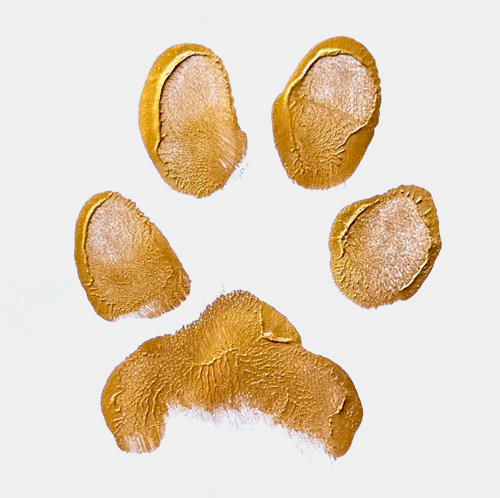
Pip. Forever, my Joy
14.04.15 – 18.09.25
References
Chan, D.V., Doran, J.D., & Galobardi, O.D. (2023). Beyond friendship: The spectrum of social participation of autistic adults. Journal of Autism and Developmental Disorders, 53(1), 424–437. https://doi.org/10.1007/s10803-022-05441-1
Gilbert, E. (2015). Big magic: Creative living beyond fear. Riverhead Books.
RTM. (2024a, July). Embodied awareness: An inquiry into finding a felt-sense through a neurodivergent lens. JoCAT, 19(1). https://www.jocat-online.org/a-24-rtm
RTM. (2024b, November 28). Metta’s journey [Video]. YouTube. https://youtu.be/BL4jUS5xaFg
RTM. (2024c, November 13). OG-Metta’s dismantlement [Video]. YouTube. https://youtu.be/No3R7J8Ea_Q
Seeley, C., & Reason, P. (2008). Expressions of energy: An epistemology of presentational knowing. In P. Liamputtong & J. Rumbold (Eds.), Knowing differently: Arts-based and collaborative research methods (pp.25–46). Nova Science.
Creator
RTM
MTAP, ABR
RTM – a neurodivergent autoethnographic arts-based researcher, therapeutic arts practitioner, visual/performance artist–writer and current Professional Doctorate candidate. Their practice – Inquirism: emergent, heuristic praxis privileging felt sense, aesthetic resonance, and multiplicity over linear logic; Situates creative process as both method and modality for healing and knowing; Intermodally multi-modal, including (not limited to): photography, mark-making and creating body-of-work-entities resisting classification. Relational grounding – the body-of-work as collaborator, with Neurodivergence and Trauma treated as co-travellers, not problems to fix. Committed to - epistemic equality, recognising cognitive diversities as equally valid; Challenging ableist, positivist traditions, making space for diverse ways of knowing and meaning-making.