

Open Access
Published: November 2026
Licence: CC BY-NC-4.0
Issue: Vol.21, No.2
Word count: 9,582
About the authors
Exhibition and ritual as part of an art therapy termination process: Considerations for art therapists
Lim Cheng Hong, Abdullah Zulhilmie bin Budiman, and Amirah Raudhah binte Razali
Abstract
This article explores the therapeutic value and ethical considerations in facilitating an exhibition collaboratively with clients and contributes to organising and engaging in an exhibition as part of art therapy practice. Three alumni of LASALLE College of the Arts, University of the Arts Singapore describe their art-based research into the psychodynamic potential of visual art-making in groups, with the intention to exhibit as part of the art therapy ending process. The authors share their perspectives on the experiences and uncertainties involved in collaboratively curating exhibitions of client work at their clinical placements during their Master’s degree in art therapy training programme. A bulleted list of ethical considerations consolidated from existing literature can be found in the Appendix.
Keywords
Art exhibition, ethical considerations, art therapist trainees, response art, el duende, group art therapy, art directives
Cite this articleLim, C.H., Budiman, A.Z., & Razali, A.R. (2026). Exhibition and ritual as part of an art therapy termination process: Considerations for art therapists. JoCAT, 21(2). https://www.jocat-online.org/a-26-lim
Introduction
This article discusses the therapeutic values of holding an exhibition and the ethical considerations that must be examined when making the decision to use it as part of the therapeutic intervention. Relevant literature on risks and ethical considerations surrounding exhibiting artworks made in therapy, as well as consolidated reflections from the three authors, provide the body of this article. The discussion highlights the strengths, limitations, and considerations of making an exhibition intended as part of the art therapy termination process.
The reflections are explored using an art-based inquiry method, which is elaborated under the ‘Methods’ section. The reflections detail the three authors’ experiences and perspectives in facilitating exhibitions during their clinical placements as part of their Master in Art Therapy degree programme at LASALLE College of the Arts, University of the Arts Singapore, which they completed one year ago. The then art psychotherapist trainees each assigned to a setting each where they undertook clinical cases for a minimum of 272 hours, learnt, processed, and applied their psychodynamic art psychotherapy training within their various contexts (Feen-Calligan, 2005; Lay, 2024). They processed their clinical work through clinical supervision with credentialled art therapists (Feen-Calligan, 2012; Gussak & Orr, 2005). While references of best practices, standards, and ethics are taken from organisations such as the American Art Therapy Association (AATA), the British Association of Art Therapists (BAAT), and the Canadian Art Therapy Association (CATA), they also look to the Australian, New Zealand and Asian Creative Arts Therapies Association (ANZACATA) and Art Therapists’ Association of Singapore (ATAS) for ethical guidelines that are culturally relevant to this region (Coss & Wong, 2015; Kelly et al., 2017; Lay, 2018a, 2018b, 2020, 2022).
In this article, the term ‘art psychotherapist’ is used when the three authors are being referred to, as oriented to their psychodynamic art psychotherapy training.
Art therapists work in a continuum of practice meeting clients’ psycho-social and emotional needs, and are oriented to the objectives of clinical programmes (Van Lith & Fenner, 2011). Art therapists oscillate between developing a therapeutic relationship between the client, art therapist, and image for insight and therapeutic change (Schaverien, 2000), and helping clients develop and master art skills that support emotional expression, personal story externalisation, and creativity and motor skills development (Jue, 2017; Koh & Lee, 2023). Art therapists can be involved in the facilitation of individual art-making with a healing purpose through a one-to-one or group setting, or facilitation of programme-based structured art groups. Occasionally, therapeutic decisions made together with clients in an individual or group setting may lead to projects and initiatives such as murals or exhibitions (Van Lith & Fenner, 2011). These projects and initiatives can support the creativity of individuals and their healing process, as well as allow for the wider community to recognise the universality and individuality of humanity (Pang, 2022).
A brief history of motivations for exhibiting art in healthcare settings
Health practitioners and art therapists are motivated to conduct exhibitions for various purposes. Some purposes include creating awareness and understanding for the persons they serve; challenging assumptions (Adolf Wölfli Foundation, n.d.; Alter-Muri, 1994; Busuttil, 1990; Community Nap, 2019; French, 1999; Hogan, 2001, p.102; O’Flynn, 2011; Spaniol, 1990; Walter, 2021), and confronting social stigma with artworks by patients (Spaniol, 1990).
Early exhibitions of artwork by people living with mental health conditions emerged from a curiosity and recognition of the value in their art. In 1921 Adolf Wölfli’s artworks, created during his time in the Bernese Cantonal Mental Hospital Waldau, were publicly exhibited in connection with the publication of the book Ein Wahnsinnskranker als Künstler (or A Mentally Ill Person as Artist), written by physician and psychiatrist Walter Morgenthaler (Adolf Wölfli Foundation, n.d.; Alter-Muri, 1994; Walter, 2021). The book documented Adolf Wölfli’s work and lifestyle over many years. The book and the exhibition catalysed interest worldwide for what was labelled as art brut (outsider art or raw art) – art made by children and persons with mental health conditions (Community Nap, 2019). The publication of Adolf Wölfli’s medical history also drew attention to how art and art-making was a valuable therapeutic tool in the care of psychiatric patients.
Motivation to organise an art exhibition could come from the opportunity to bring patients’ creative work from the hospital to a public cultural space. Busuttil (1990) shared that while the exhibition organised by his former workplace, Mount Carmel Hospital, Malta, happened partly because patients receiving psychiatric care there had amassed 15 years of artworks done in the occupational therapy department, it was also with the hope that organising the display at ‘Malta’s premier art museum’ would influence a kinder acceptance for these persons in the community.
Healthcare professionals and art therapists can have overlapping motivations in supporting psycho-social needs when organising an exhibition. For example, holding an exhibition could be a last wish for a patient at the end of their life. Art From My Heart was put together by a group of healthcare professionals, including the art therapist, to honour Mr Cheong Kum Wah’s wish to bless other patients receiving palliative care through art (Tan Tock Seng Hospital, 2020).
Art therapists may approach exhibitions centring on the psychodynamic needs of the clients, focusing on self-acknowledgement, development of inner change, for purposes of healing and transformation (Garlock, 2019; Ho & Potash, 2023; Knowles, 1996; Martyn, 2019; Miller et al., 2020; Potash et al., 2013; Salom et al., 2012; Skaife, 2017; Soape et al., 2024; Spaniol, 1990; Vick, 2011).
A financial motivation in addition to a therapeutic one is possible, as illustrated in Martyn’s (2019) article. Organising exhibitions to sell clients’ art made in the presence of an art therapist was one of the goals wanted by open-studio members.
Exhibitions held with the intention of confronting social stigma provide a means for persons in therapy or living with mental health conditions to be reintegrated into the community (French, 1999; Potash et al., 2013). Reintegration is supported in the manner in which the exhibition functions as a point of meeting for communication and deeper reflection to flourish for all exhibition attendees, including the artists and the wider community (Potash et al., 2013).
While it appears that the above-mentioned motivations and intentions to publicly exhibit clients’ artworks seem supportive and straightforward, there is a layer of ethical complexity to navigate. Leenstra et al. (2014) illustrate a real-life example of how the news media reinforced a stigmatising portrayal of persons with mental health conditions by focusing not on the artists’ artworks but on their mental health status. Ethical dilemmas arise from the ignorance of unequal power in the relationships between the artists or clients and the various stakeholders involved in the exhibition, as well as the failure to negotiate a range of perspectives between all that are involved on the value of the artworks (Leenstra et al., 2014). Art therapists who are considering art exhibitions as part of the therapeutic intervention should understand the complex process in providing effective approaches for the targeted population and balancing the organisational expectations of visibility of art therapy outcomes.
Literature review
The exhibition as a therapeutic space
Intersubjectivity refers to the dynamic understanding and mutual engagement between social actors (Biesta, 1998; Heffner, 1971; Stern, 2005; Stolorow & Lachman, 1980; Stolorow, 2013). Each person owns a unique worldview that organises their emotional and relational experiences (Atwood et al., 2002; Stolorow, 2013). In a psychodynamic context, this worldview is shaped developmentally and is a building block in personality development. Within a psychodynamic therapeutic relationship, the client and the therapist interact through their subjective worlds of understandings and emotional experiences. The interactions can manifest in forms of transference. As the client’s and therapist’s subjective worlds dynamically interact, intersubjectivity shapes and forms how the therapeutic relationship is experienced.
Schaverien’s (2000) triangular relationship is where intersubjectivity and complex processes between two persons, such as transference and countertransference, happen within a psychodynamic art psychotherapy context. Within this context, Schaverien extends the relational understanding and dynamic interaction of subjective worlds to the third element – the artwork. The life in artwork (art-making process) and the life of artwork (image held in artwork) are respectively the transference embodied in the artwork and the countertransference as an object. Transference is explored and acknowledged in the reciprocal gaze between the client, the therapist, and the artwork (Maclagan, 2001; Schaverien, 2000; Skaife, 2001).
Skaife (2001) broadened the inter- and intra-personal relationships within a triangular relationship to a group of clients. She posited that the art therapy group embodies an intersubjective field, in which the communication between group members also holds potential in therapy. Time space and physical space are important for the intersubjectivity and communicative interactions to unfold. In her article, she explains that the two spaces are important because meaning-making through visual or verbal discourse happens over time within the sight of clients. Skaife (2017) challenges the idea that the therapeutic space where the inner world is deeply explored and kept confidential is conventionally a private one, and exhibition, by contrast, takes the artwork outside of boundaries and makes it available to the public. She suggests that a therapeutic space inherently consists of the public and private dynamics. By this perspective, the exhibition can function as an extension of the therapeutic space, provided that its public dimension is negotiated ethically and in ways that best serve the clients. In this potential therapeutic space, the exhibited works, communicated in an artistic language about their self and its relational position in the social world, can be given acknowledgement and recognition for what they embody, and opportunities to form dialogue with the wider social world.
The physical exhibition space is designed as a sanctuary that celebrates the communicative power of the artworks originating from the artists, and offers solace and therapeutic reach to a wider audience (Thompson, 2009). Encountering artworks through touch, sound, and vision within a physical exhibition situated in a clinical environment, where creative expression is typically absent, may create opportunities for change and transformation for both viewers and artists, while also enabling the clinical space to be reimagined (Fleetwood-Smith, 2024). Andrus (2020) illustrates how the sharing of artworks in public spaces supports a therapeutic transformation within the clients: 1) clients expressed feeling isolated before the exhibition; 2) clients were made aware of the community’s support for the exhibition; 3) clients gained strength from members with similar experiences; and 4) positive reflections and feelings of affirmation and acknowledgement were sparked from the exchange between the art, the artist, and the viewers.
The exhibition space challenges the distinction between the client and viewer. When clients hone their artistic sensibility by selecting, developing, and presenting their artworks in preparation for exhibition, their identities shift from being a client who receives treatment to someone who has a story to communicate (Thompson, 2009). Within the therapy room, the art therapist is the witness and facilitator of meaning-making to the client; the third-party viewer is absent. When the client’s artwork enters the exhibition space, the artwork becomes available to third-party viewers and the client’s identity continues to shift into an artist identity. The artwork is no longer just meaningful within the client–therapist relationship. The viewer becomes part of the meaning-making process, gazes and interacts with the life in and of artworks (Schaverien, 2000). The exhibition therefore expands the triangular client–art therapist–art relationship, creating an intersubjective space in which the clients re-author their stories and reclaim their narratives. Findings suggest that this contributes to a reintegration of a coherent self, and healing from trauma or mental health conditions (Andrus, 2020; Thompson, 2009). One participant quoted in Andrus’s (2020) article articulated the importance of viewers in making her feel acknowledged and healed: “I think that the final part of making art is having other people see it, because that way it is useful outside in the world… you do it for yourself and that releases something, but when someone else sees it and acknowledges it, then that’s kinda the final, you know, release of energy that all goes back… that was the final step we didn’t know we had to take, and after it was taken, that was when the, the kinda the magic of the catharsis finally sank in.”
Moving clients’ stories out from the private into the public space invites the emotional and social development of the viewers (Potash & Ho, 2011). The artworks serve as facilitators of conversation, enabling viewers to empathise with and reflect on their understanding and impressions of, for example, persons with mental health conditions, as found in a study by Potash and Ho (2011). In Devine’s (2022) study, viewers’ positive reactions to exhibition artworks made in art therapy demonstrated the extension of powerful therapeutic impact on viewers. Viewing artworks in the therapeutic space invites both the clients and viewers to confront the biases and realities of lived experiences, encouraging a sense of social connection not available in other ways (DeLucia, 2016). Devine (2022) shared that one visitor viewed the exhibition, held in response to the Covid-19 pandemic, every day for two months as a reminder that he was not alone. Encouraging viewers to create their own artwork in response to the exhibited artworks can help to increase their understanding of artists’ experiences (Potash & Ho, 2011).
The exhibition space therefore functions as a safe container that holds the therapeutic exchange and fosters healing for all attendees. In turn, this process can sustain viewers in supporting the healing of returning community members. The exhibition space can also inspire organic interactions that foster a sense of community catharsis, decrease a sense of isolation, promote connection, and increase validation, potentially creating new personal meaning among the attendees (DeLucia, 2016; Devine, 2022; Potash & Ho, 2011).
Ending rituals and art directives
Etherington (2017) highlights the significance of art-making as a ritualistic act towards closure for both client and art therapist. An art-based closing routine helps to transition clients towards the end of a session. The holding power of symbolic ceremonial rituals in endings provides opportunities to affirm the normality in togetherness and parting in art therapy. It illuminates new ways of reinforcing tolerance for separations. The art-making process in these rituals can become the transitional object that marks the end of the clinical relationship and acknowledges the important milestones that were achieved through the work (Etherington, 2017).
Balascio (2024) underscores the significance of turning points in the therapeutic process and proposes art directives in guiding clients to handle the separation and grief that comes with endings. When the client is ready to terminate from therapy, it is hopeful that they have overcome or achieved the necessary emotional and mental tools to manage a certain issue or behaviour. Balascio (2024) proposes that these changes and milestones can be represented using elements that symbolise a new future, or an image that represents the moving-on-from. Using art materials that disappear by burning, dissolving or floating away can provide another symbolic layer of what is ending and what they are looking forward to in the future.
Drawing from Balascio (2024) and Etherington (2017), ending rituals can function as directives for the client to process the conclusion of the therapeutic relationship. The creative process should be initiated to assist with the client’s readiness to terminate with the art therapist. Their receptivity towards the ending of the journey is reflected in the creative expression of the client. For example, Etherington (2017) shared that themes of positive recollections and sense of completion point towards a client that is ready to terminate. Whereas when themes such as ungroundedness, inadequacy, and frustration appear, the client may not be ready to terminate. While the ending rituals offer the client an opportunity to experience the oscillation between togetherness and parting, the art therapist must navigate this experience with the client.
Curating materials and media for endings
The art therapist is interested in purpose-built interventions that utilise materials and media to facilitate meaning-making and dialogue (Balascio, 2024; Moon, 2011). Materials and media are fundamentally active participants in the relational process between the client, the art therapist, and the artwork (Moon, 2011). Materials and media, through their tactile and sensory qualities, are not merely for expression. In the context of materiality, materials and media have agency in the interaction with clients, allowing the interaction to be resistive or fluid. They elicit symbolic and emotional responses in art therapy sessions that are presented in the visual language’s grammar and syntax (Hinz, 2019). These responses are negotiated between the art therapist and the client in the intersubjective and therapeutic space for the meanings to be understood (Jue, 2017; Moon, 2011; Stern, 2005).
Art materials and media, as well as the artwork, bridge the relationship between the client’s inner self and the outer world (Hinz, 2015, 2019). Towards termination, art therapists can review with clients how their symbolic and emotional responses, elicited through art materials and the art-making process, have been supporting the processing and integration of meanings and learnings. The use of appropriate and supportive materials that may reflect an essence of impermanence or transformation within the therapeutic context will help clients progress towards closure (Balascio, 2024; Etherington, 2017).
Ethical considerations for exhibiting clinical material, and ethical dilemmas
Clients can be unintentionally harmed when working collaboratively towards a public show, as cautioned by Davis (2017). He brought up examples of non-ethical and exploitative art installations that used subjects who had had traumatic experiences and did not have control in these art installations. He cited an online reference that people who had gone through traumatic experiences, such as human trafficking, might appear to be making decisions of their own volition but were behaving in a manner that was adapted to cope through the trauma. He opined that making decisions and agreements with people who had experienced trauma should proceed carefully and collaboratively, in ways that promote agency and autonomy over the display of their artworks and access to their stories.
In Martyn’s (2019) experience, he recognised that organising exhibitions could potentially disrupt the therapeutic process for clients who were seeking refuge or asylum. These clients faced social isolation and exclusion by the state, and social barriers. For clients who were keen to exhibit and sell their works, they would have to contemplate limitations, such as on the sale of artworks, which is illegal for asylum seekers. They would also have to work through frictions in economic disparities, differences, aesthetic judgement, favouritism, and rivalry within the group in the participation process.
Skaife (2017) discusses the implications of bringing artworks created within private and boundaried groups into the public to be exhibited. She reviews what is a ‘boundary’ using the case of a client wanting to exhibit their artwork. The client, who had attended group art therapy for 15 months, created a painting that referenced one of the displayed paintings by another member of the open studio during a session that became individual-based, as the other group members did not turn up. The flow between a painting referenced from the public, internalised and made in private, and later exhibited publicly led the author to believe that the private–public binary is false. Boundaries are political and not static, in determining the meaning of a group. Skaife (2017) suggests that the boundary might well include a public audience at some stage, but negotiating the crossing of this boundary will need the utmost thought and care.
In view of the psychological and emotional risks in participating in an exhibition illustrated above, art therapists play an important role in facilitating complex dialogues, in advocating for clients in the process, and in arbitrating the ethics concerning the exhibition of artworks (Leenstra et al., 2014; Martyn, 2019; Spaniol, 1990; Vick, 2011).
Art therapists can begin by asking whose needs are served by displaying clients’ artworks (Knowles, 1996; Leenstra et al., 2014; Vick, 2011). Art therapists value the therapeutic benefits for the clients in the making of exhibitions together (Andrus, 2020; DeLucia, 2016; Devine, 2022; Fleetwood-Smith, 2024), but art therapists need to question the ownership of the artworks and the impact on the clients (Leenstra et al., 2014). Martyn (2019) shares that, in his experience, with the support of the art therapists, the exhibition process gives clients an opportunity to engage in complex conversations on social, psychological, and political factors that contribute to the anxieties they face. He highlights the need to discuss sales and money openly with clients.
Spaniol (1990) suggests three guiding principles to be applied to all exhibitions organised with therapeutic intentions. These are: (1) providing opportunity for clients to define themselves as artists; (2) safeguarding disclosure of clients’ personal information; and (3) empowering clients through structured procedures and participation in decision making at every step of the process. Vick (2011) echoes art therapists’ crucial advisory role at the juncture between the clinical and gallery worlds. Art therapists will provide clinically informed opinions to ensure ethical safeguards for the respect of the art and artists. Art therapists will obtain written and informed consent from clients before displaying their artworks publicly. Art therapists are responsible in aligning goals between artist-clients, their family members, and gallery professionals. The aim is to help them in understanding the consequences of the decision to exhibit, and to advocate for clients’ rights to confidentiality and anonymity (Leenstra et al., 2014).
The art therapist’s significant position also supports setting an appropriate tone for the context, to clearly outline the factors that shape the perceptions of the viewers, and to avoid misinterpretation of artworks (Leenstra et al., 2014; Martyn, 2019; Spaniol, 1990; Vick, 2011). Bringing the artworks into a public space requires deliberate and collaborative considerations such as – if necessary – the public use of personal history, diagnosis, or other clinical details, selection and presentation process of pieces, decisions and processes surrounding sales of artworks, and client- (or other concerned parties) approved written materials (Leenstra et al., 2014; Spaniol, 1990; Vick, 2011). Spaniol (1990) highlights that careful choice of words by members of the exhibition planning committee and the news media will strongly impact how clients with therapeutic needs are perceived. Celebrating the individual instead of focusing on their limits will help to break through stereotypes and social stigma.
Spaniol (1990) also advises art therapists to reflect on their personal biases and values, because supporting others in acknowledging their values and influencing the public’s perception of clients with therapeutic needs starts from the self.
The existing literature covering exhibitions that were informed by or showcased art therapy provided a number of ethical considerations, points, insights, and strategies for the making of exhibitions (Garlock, 2019; Knowles, 1996; Ho & Potash, 2023; Martyn, 2019; Miller et al., 2020; Potash et al., 2013; Salom et al., 2012; Skaife, 2017; Spaniol, 1990; Vick, 2011). These points are consolidated and listed in a table in the Appendix. Additional considerations derived from the three authors’ own experiences in making the exhibitions together with the clients were reflected upon in the sections below and are included in the Appendix.
Methods
The three authors take a reflective and reflexive stance in describing and organising their perspectives. The method of inquiry employed by the authors is art-based, which considers the art and art-making within art therapy (Kapitan, 2018, 2025; McNiff, 2019). This method was selected as it best articulates consolidated perspectives, experiences, and reflections (Potash, 2019), with visuals integrated into the text. The integrated visuals include the art made by clients as well as the art therapist, done as a response alongside clients in a session, after a session, or during clinical supervision (Fish, 2012). The response art done during the weekly art-based clinical supervision (Beaumont, 2018; Eastwood, 2021; Fish, 2012; McNiff, 2019; Nash, 2020; Potash, 2019, 2022) followed the el duende one-canvas method developed by Miller (2021). Art was made on the same surface over a period of time in supervision to hold the messiness of “not knowing”, explore changing imagery, and reflect on the transformation process.
Closing therapeutic relationships through exhibition with clear intentions, by Lim Cheng Hong
During my senior-year clinical placement, I worked at a nursing home with older adults living with mental health conditions. The idea of organising a public art exhibition was mooted by the rehabilitation team. It was to be conducted at the end of my placement. I felt uneasy about the project as an emerging art therapist, with concerns in mind: How could I imbue this exhibition with therapeutic values if the idea to conduct one came not from a discussed decision between the clients and the art therapist trainee? Could I really display artworks that were supposed to be kept confidential, even if I had clients’ consent?
In the section below, I first narrate the planning process and then reflect on my response art, which helped me to navigate the beginner’s chaos.
Event summary
The title of the exhibition was Celebrating Unique Voices. Clients were guided to walk through the set-up before the actual event and to process their thoughts and feelings for their first-time experience of participation. At the opening I gave an introductory speech, and there were music performances prepared by some residents. An art corner was provided for guests, including clients’ family members, my classmates, staff, community partners, and volunteers, to make art-based reflections on the displayed artworks, which could be evocative for some. Guests were also invited to contribute a mark on a batik canvas (or wax-resistant painting) as a gesture of further support for the residents’ creative efforts. The completed canvas was later hung at the nursing home as a memento of this event, which was precious and significant to most.
Seeking clarity
Having clarity of my role in the exhibition helped to kickstart the planning process. I identified myself as the curator, a central figure in crafting the story to be told, the selector of artworks, and the interpreter of the show (George, 2015). I undertook the responsibilities of planning the opening programme, writing the exhibition statement and artist biographies, as well as arranging the fringe activities that enhanced visitors’ understanding of the therapeutic effects of art-making.
As the curator, it was essential to clearly define the purpose of the exhibition and to understand the difference between an exhibition organised by an art therapist and one by professional artists (Salom et al., 2012). Professional artists might hold exhibitions to fulfil a particular political, social, or cultural agenda, or personal interest. Artworks would be curated for themes, and aesthetic and commercial values. For an exhibition informed by art therapy, artworks could be created as part of a therapeutic intervention, with the exhibition as an end goal (Alter-Muri, 1994). Alternatively, they might be selected from open studio sessions, individual or group therapy sessions, with the consent of the clients. This must be carefully and sensitively navigated, as the art therapist holds the ethical obligation to protect the clients’ personal information and artworks (AATA, 2013; ANZACATA, n.d.; BAAT, 2019; Moon, 2000).
An exhibition informed by art therapy emphasises creative encounters, meaning-making, transformation, and the use of art resources that meet the clients’ emotional needs at that moment, without necessarily focusing on the aesthetics, composition, technique, or artistic skills.
A clear intention of the exhibition would provide a guiding force for all decision-making relating to logistical and curatorial planning. This inaugural exhibition was done on a small scale, opened only to invited guests, serving as a guide for the organisation to organise more for the residents. It held three therapeutic intentions: (1) for clients to be seen and heard; (2) to regain agency and voice; (3) to cultivate and encourage an artist-identity. These were followed through by allowing the clients the autonomy to accept or reject the invitation to participate, to collaboratively decide on selection and naming of pieces, and to approve their artist biographies drafted by me (Vick, 2011). The physical constraints of the inaugural exhibition helped the curator to design the criteria for artist selection, which focused on artworks with stronger personalities and that evoked a desire for connection beyond the nursing home, as well as showcasing a variety of art materials.
Addressing ethical dilemmas
A few of the selected artworks, holding more sensitive value, were done within individual or group art therapy sessions. The clients were open for these works to be exhibited, even after hearing the risks of making private artworks public (Schaverien, 2000). Hoping that the clients had understood my explanations fully, I carried forward their decisions with trust in my assessment of the circumstances and contexts, and the alignment with therapeutic goals (Skaife, 2017).
Taking the artworks across the private boundaries into the public, the art therapist, who is ethically obligated to protect clients’ artworks from misinterpretations (AATA, 2013; ANZACATA, n.d.; BAAT, 2019; Case & Dalley, 2014, p.98; Leenstra et al., 2014; Morgan, 2023), must also consider ways to reduce viewers’ bias (Trout, 2009) that would hinder empathetic viewing and understanding of the clients’ perspectives. The following tactics were implemented to elevate clients’ artworks and to guide the public’s interpretation of them.
In safeguarding personal information, the clients were assured anonymity if they preferred. The artist biographies focused only on their artistic style and exploration, omitting unnecessary information such as medical history and family background. Clients were consulted at the drafting stage for comments and edits.
In respecting the ownership of artworks, clients chose and created artwork titles. I then deliberated between displaying the selected artwork as-is or suggesting refinements to the client. Some decisions were made on behalf of the clients, who were participating in an exhibition for the first time, to provide more structure. For example, I standardised the mounting of artworks for a consistent look and positioned the artworks based on the overall flow and layout aesthetics of the exhibition.
The introductory speech was given with the purpose of contextualising the exhibition and the artworks, touching briefly on the art-making process, choice of medium, and the therapeutic effects. Reflective questions and guiding steps to view the artworks were printed on the exhibition leaflet (Ho & Potash, 2023; Potash et al., 2013).
Using the el duende one-canvas method (Miller, 2021) to navigate beginner’s chaos (Moon, 2003)
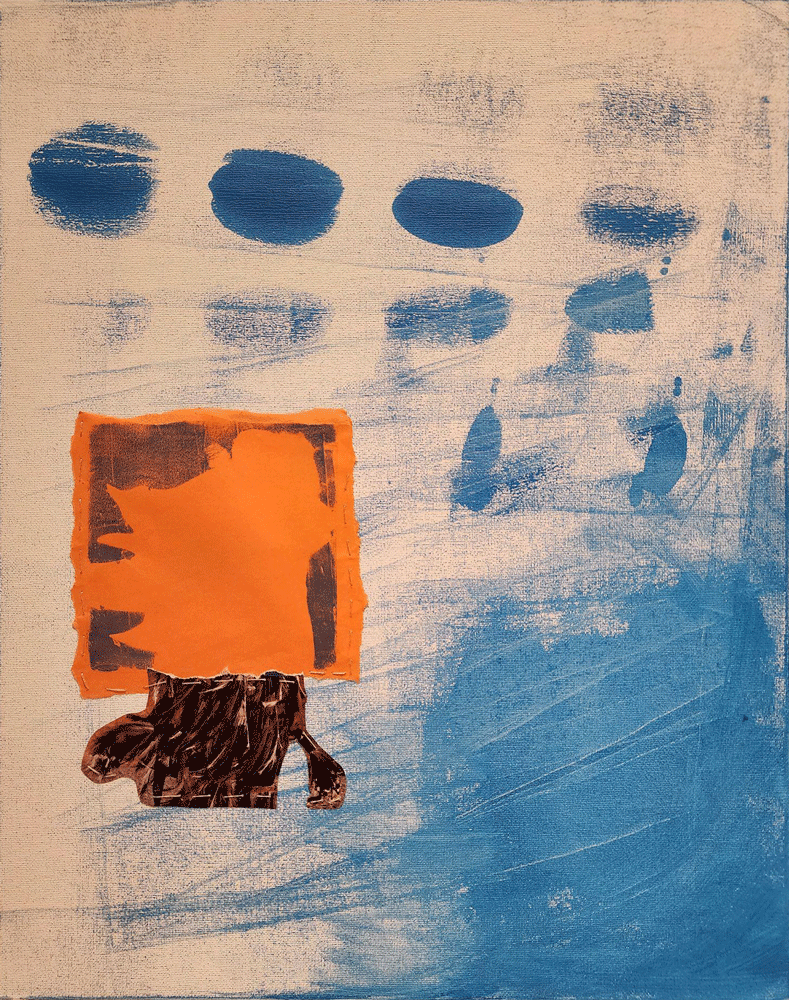
Figure 1. C.H. Lim, A Sense of Direction, 2025, mixed media on canvas, 500 × 400mm.
The beginning of placement was marked by uncertainty and my response art depicted me swimming into unknown waters (Figure 1), aware that accidentals and learnings would come my way. The faceless figure portrayed my hesitation and stress about tasks that I did not want to face. Thankfully, my initial uneasiness subsided as I made progress with pieces of information coming together, and I was able to envision the exhibition. This was represented by the carving of an eye out of wooden scraps (Figure 2). A few clients expressed their appreciation for the opportunity to participate at the end of the exhibition-planning process, with one saying that this was a form of recognition of her existence. Thank You for Seeing Me (Figure 3) is not just a visual regurgitation of their words of appreciation, it was also my response to the privilege, generosity, and strength they had given me to complete the exhibition project.
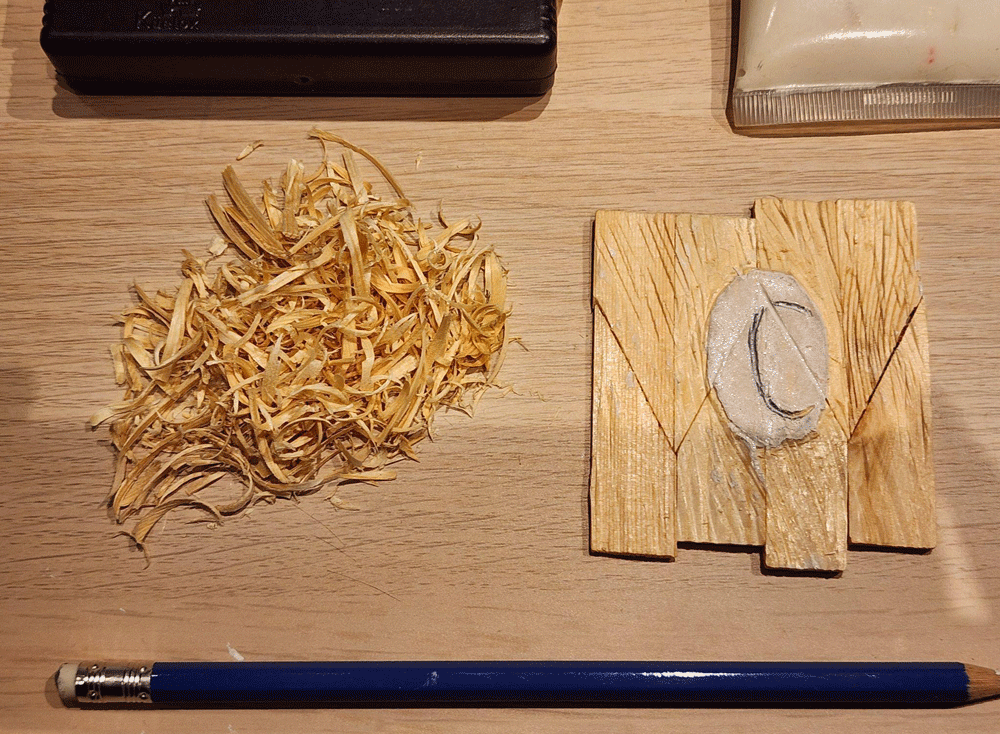
Figure 2. C.H. Lim, Wood-carving process, 2025, wood scraps, dimensions variable.
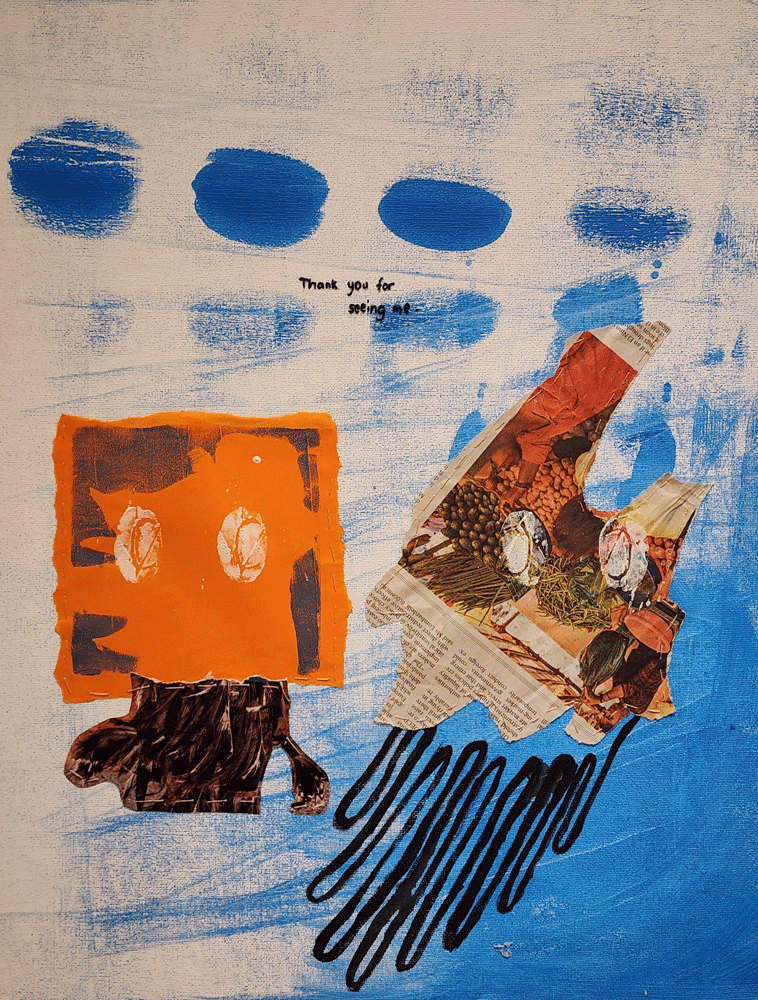
Figure 3. C.H. Lim, Thank You for Seeing Me, 2025, mixed media on canvas, 500 × 400mm.
The water that seemed to drown me in the first image had transformed into water that supported life. The process was a struggle, but the outcome was beautiful. Recognising the dual role as an art therapist and a curator, I learnt where my boundaries were, and that my decisions should be guided by clients’ interests.
I would like to end my reflection with a self-reminder: Art therapists can view art-based projects requested by institutions with an open mind – navigate with caution and be guided by ethics. If the projects allow for the honouring of the subjectivities and lived experiences of both the clients and art therapists on a common ground where transformation can take place, we can use them to our advantage.
Endings as a process contained by exhibition, by Abdullah Zulhilmie bin Budiman
Planning and curating for an exhibition as an art psychotherapist trainee was an invaluable and illuminating experience for myself. As part of my clinical placement requirement, I provided art therapy services at a facility that was offering a weekday boarding programme for adolescents from disadvantaged families in Singapore. The art exhibition was part of the termination process for the population that I was working with.
My reflections will centre around my decision-making with regard to the termination process.
Event summary
The art exhibition was a part of a multi-session termination process for seven adolescents (13–17 years old) that were participants of an open group art therapy intervention. The exhibition theme centred around the concept of journeys, and it was held in conjunction with an open studio. Families and friends were invited as participants for the open studio and witnesses for the exhibition. The communal artwork created in the open studio was kept and displayed by the staff of the facility in their office after the event, while the exhibited artworks were left on the walls for public display. At the end of the exhibition programme, the clients were invited to review their previous artworks together in a private and quiet space to close their therapeutic relationships with me and each other. I named this segment the closed group memory walk.
The therapeutic intervention for this population was carried out in the form of a group over the course of 13 sessions (the 13th being the exhibition show with an open-studio segment). Yalom and Leszcz (2020) note that in their perspective, natural lines of cleavage divide the group therapeutic experience into eleven primary factors. These eleven therapeutic effects of group therapy not only underpinned my approach for our therapy sessions, they also guided the construction of the multi-part termination process to facilitate meaning-making and promote client empowerment by summarising our therapeutic journey (Headley et al., 2015; Martyn, 2019; Ward, 1984).
Conceptualisation
The conceptualising stage (in Session 9) provided a platform for clients to practise their autonomy in terminations with art therapy and myself. It was a space for the art therapist trainee and the clients to discuss endings and goodbyes. Several suggestions to end our therapeutic journey were brought up, which included a group mural, farewell cards, a group activity, or holding an exhibition together.
The reason why I strongly wanted my clients to be involved in the decision-making was because I wanted to give them that sense of autonomy, which was important for self-individuation at their developmental stage (Case et al., 2022; Offer, 1966). This opportunity to practise group cohesiveness, provide corrective recapitulation of the primary family group, and reclaim power in approaching endings was also beneficial for individuals in transition who have anxieties about abandonment (Collins et al., 2023; Haeyen & Wanten, 2024; Huang et al., 2021; Spier, 2010).
Surprisingly, the decision to have an exhibition was unanimous. To further respect their autonomy and uphold ethical considerations, I offered the choice between picking an art piece previously created in our sessions or creating something new specifically to be displayed. Choice was also given to them to display their names alongside the art pieces, as well as a short artist write-up – granting them the possibility of anonymity.
The only decision that I made was the theme of the exhibition: Journey.
Art-making in a group setting
These were three two-hour sessions (Sessions 10, 11, and 12) dedicated to creating artworks for the exhibition. In this portion of the termination process, materials that the clients had requested in the conceptualisation stage were brought into our group therapy sessions. These sessions were intended for the clients to manifest their concepts, while my role was to facilitate their art-making process and provide an anchor for their emotions revolving around the end.
I was very touched when I was invited to create a piece with them too. They had exclaimed, “Mr Zul, why are you not making an artwork too? You should make art with us.” This simple invitation unknowingly reminded me that I was also part of the group and that I too needed a gentle goodbye (Figure 4). I feel that, as mental healthcare providers, we often forget that what we do is human work too, and we need to honour this relational and psychodynamic aspect of art therapy (Etherington, 2017; Schaverien, 2000; Skaife, 2001).
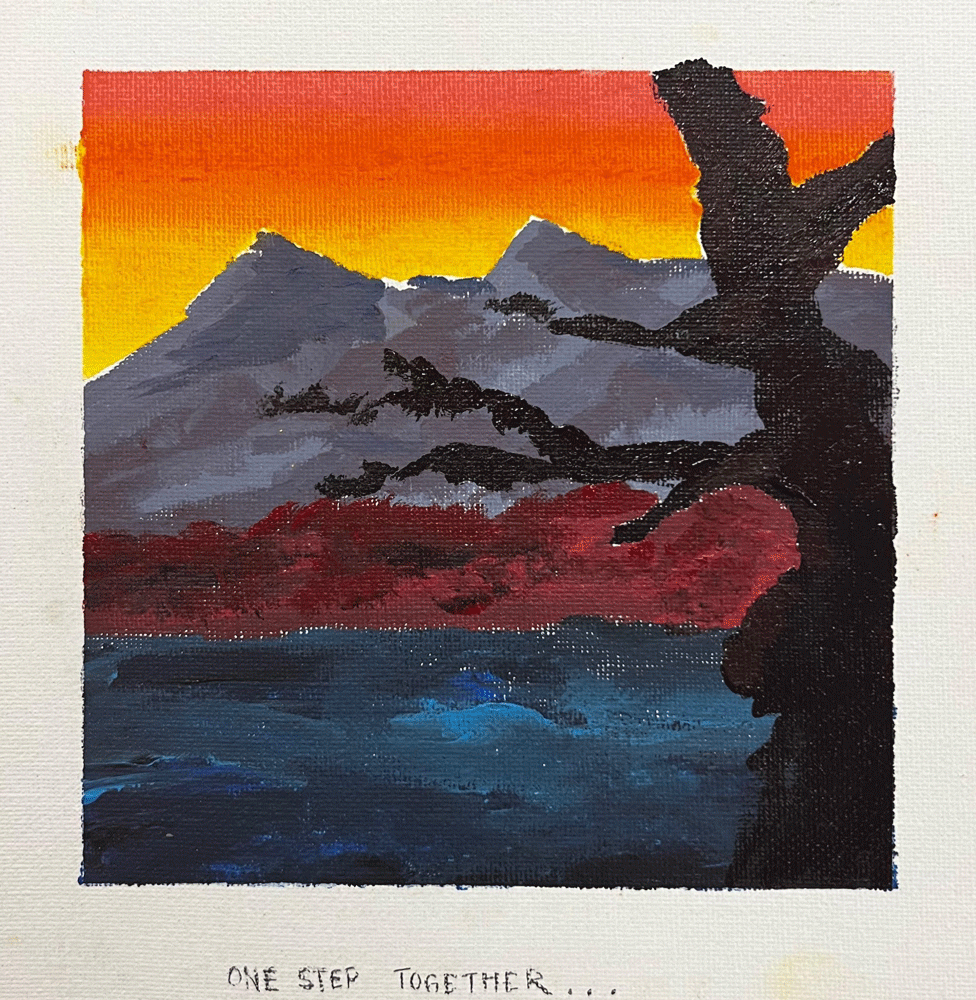
Figure 4. Abdullah Z., One Step Together, 2024, acrylic on canvas, 250 × 250mm.
Communal ending ritual
The ending ritual was part of the exhibition night (Session 13) that involved the families of the clients as well as the other adolescents staying in the residence. The communal art-making session involved the teenagers painting coffee filters with their parents, and using pipe cleaners to create flowers, which were then placed into a jar located at the front of the room (Figure 5). My clients, their friends and families were able to witness the jar being filled with flowers one by one – goodbye is not as lonely as we thought.
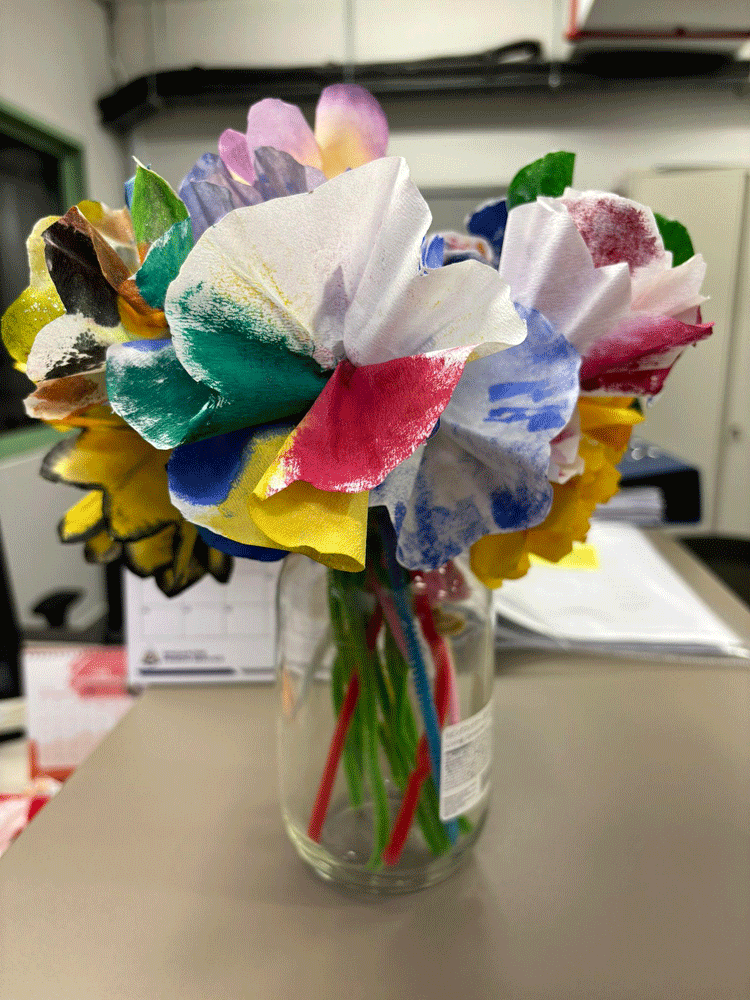
Figure 5. Various artists, Untitled, 2024, pipe cleaners, paint, coffee filters, dimensions variable.
Throughout this segment, I observed my clients leading their friends and families in the art-making, encouraging and assisting them. I felt that there was a sense of mimicry and role reversal – they were unintentionally the facilitators holding space for others.
Witnessing exhibited artworks
After the jar was filled up and the families were satisfied with the number of flowers they created, I invited them to take their time to view the artworks created for exhibition and read the artist statement that had been prepared. While some of my clients were excited to talk and share about their artworks in small groups, others were shy and hesitant, preferring to let the art speak for them.
I took an even further step back in this segment, letting my clients and their art take centre stage.
Closed group memory walk
After a small debrief, I invited the families to take their leave and for my clients to go to a separate room. With the space now quieter, this final shared moment was more intimate as we walked through a memory lane of their previous artworks that I had prepared. Amidst all the chaos of planning and setting up the art exhibition, after all the excitement of the communal ending ritual and witnessing of artworks, I felt that I finally had time to breathe. And it seemed that the group felt that way too.
This memory walk was quiet, punctuated with moments of laughter and light-heartedness. As we walked around the table, the air seemed to slow down with our breathing. At some points, I would stop and ask questions to prompt further reflections, which they were invited to share or hold within themselves. They were also invited to take any artwork of their choice – it could be their own or their group mate’s, if consent was given. One client did ask if they could take back one of their group mate’s artworks.
At the end, after about 30 minutes, the group surprised me with a creative and beautiful farewell card. We took one last picture, at the request of the group, to celebrate our goodbyes and new beginnings.
From a “no” to an exhibition?
Initially, the idea for an art exhibition was proposed by the facility staff at the very beginning, during my interview process before any group therapy session had started. As a client-centric practitioner influenced by attachment theories, I was concerned about displaying sensitive clinical materials and also having an organisation-led outcome. My hesitations stemmed from the belief that I needed to fully understand the group’s shared needs first before making a decision. For these reasons, I raised my objections to my placement supervisor and we agreed to not make the exhibition an end goal for the therapeutic journey.
Session after session, through observing the group life and developing rapport with each individual, I took the opportunity to outline a better understanding of my clients in an age-appropriate manner. I began wondering how I could best approach termination with the group, given their complex backgrounds, potential feelings of abandonment, and initial symptoms of anxiety/depression and isolation.
After nine sessions, the group life was observed to have evolved into a positive holding environment; the group members had come together organically to form a unique bond and identity (Pang, 2022; Yalom & Leszcz, 2020). No longer were they just separate individuals. Every individual had grown encouraging and helpful with the art-making process in sessions. Throughout the weeks, I could see them grow in self-expression – solidifying their own identity as well as a collective identity. Their art had transformed from quiet to hopeful, their process evolved from hesitant to contemplative.
Exhibition as a process, not just an event
Throughout this whole termination process, I learnt an invaluable lesson regarding group art therapy: the art therapist is not alone, the group is there to provide therapeutic value and a holding presence as well.
Rather than a single final session or activity to close the therapeutic journey, I considered the exhibition to be a multi-part journey. Through the months together, we accepted change as a process; we understood that exploration of emotions and building of the self was a journey. Every ending signals a beginning. Therefore, goodbyes should be attachment-focused, gentle and gradual; a process to instil hope for growth and the future (Knowles, 1996; Martyn, 2019; Pang, 2022; Ward, 1984).
Ending rituals in an art exhibition space, by Amirah Raudhah binte Razali
In this section of the art of exhibition in therapy, I centre on performing ending rituals within the parameters of an art exhibition as a safe container (Martyn, 2019; Thompson, 2009) to investigate the creative potential of planned endings (Etherington, 2017) with clients living with intellectual disabilities (ID). Using art materials and directives as co-facilitators, this inquiry becomes a vehicle to reflect upon my approaches to equalise the triadic relationship in an open-studio context.
During my year-one clinical placement, I worked with adults living with ID at a day activity centre (DAC) in Singapore, where I organised a public exhibition featuring artworks made specifically for the show, by 20 clients over twelve open-studio sessions. The organisation hoped to advocate and nurture a deeper sense of belonging for the clients in the DAC through an art exhibition. Written consent was given by parents or guardians of the clients prior to the commencement of the open-studio sessions. Additional elements included participation and consent for the artworks created in open studios to be presented in a public art exhibition organised by the DAC. Since the DAC has experience in exhibiting artworks made in open studios, the 20 clients were eager and willing to exhibit their artworks. One client attended all sessions of open studio but chose not to engage in art-making or participate in the show.
With a background as a fine artist, community arts facilitator, and arts educator, I was interested and personally took on a clinical attachment that wanted a public art exhibition as the end goal. One concern shared to me by the staff was that the clients had challenges in processing terminations. I had these queries as I moved along: How would I utilise the art exhibition as a holding space for endings? How would the material selection and planned rituals further support the reciprocal termination process between me and my clients?
Prior to the public art exhibition, the last open-studio session was intentionally arranged for the clients, volunteers, and staff members to gather for a private viewing of the exhibition. I led the group on a tour around the setup and invited the clients to participate in art-making within the therapeutic space. In the sections below, I will illustrate my approaches in formulating therapeutic interventions within an art exhibition context.
Equalising the triadic relationship
Miller et al. (2020) state that respecting autonomy and advocacy, fostering reciprocal trust, and honouring boundaries regarding space and time are three important considerations for art therapy practice with people with ID. With the concerns and goals presented by the organisation, I decided to leverage the qualities of art materials as co-facilitators in easing my clients into dialogues of endings. Moon (2011) emphasises the use of culturally relevant and familiar materials to support the exchanges between the three core elements in art therapy. I contemplated between introducing unconventional materials or reintroducing materials found in the DAC, structured by art directives. I found that the latter prioritised the objective of processing terminations with clients while steering clear of distractions such as needing to acquire new art-making skills.
I deliberately planned for the art directives (Balascio, 2024) in earlier sessions to generate individual client artworks that would lead up to the final directives in Session 12. Mirroring the three important considerations (Miller et al., 2020), the structured art directives in the exhibition space honoured the clients’ communicative agency to externalise their inner worlds and meaning-making. This aided the objective of nurturing a deeper sense of belonging for the clients in the DAC.
Creative potential in ending rituals
Closing routines have been a fascination and are important to me. They are sets of sequential actions, which, when performed consistently and with intention, feel ritualistic, helping me to conclude the day and make reflections. Examples of closing routines in my practice include ending sensory exploration with clients in sessions with water and soap; allocating time for clean-up together, such as washing tools, wiping tables, and folding aprons; going on walks and using the time in elevators as spaces to ground myself and de-role.
In the same way that closing routines achieve finality in every session, performing them in the art exhibition space as rituals of creative means (Etherington, 2017) facilitated the witnessing and holding of the clients’ externalisations. Here, I elaborate on the three art directives and the art materials used that facilitated my clients’ ending rituals as termination processes that extended into their relationships beyond the DAC.
1..Coffee-filter floral arrangement
Clients, volunteers, and staff were invited to fold their painted paper coffee filters from Session 4 into flowers using pipe cleaners. They then placed these flowers into a vase and watched the arrangement bloom. The floral arrangement acted as a container to hold the group’s impending goodbyes.
One client made a few of these flowers for the vase and expressed interest in keeping one of them as a gift for his mother. The combined transformation of the group artwork’s intent and the client’s agency had extended to his relationships outside of the exhibition space. I acknowledged this client’s wish, and he carefully kept the flower in his bag. The ending ritual was complete as I witnessed how he safeguarded the flower imbued with personal meanings and held the support from the group. The group cheered as the final flower was placed in the vase, reflecting a strong sense of community and attunement.
2..Pieces of the puzzle
Clients were invited to form a group puzzle using their individual pieces created in Session 10. The tabs and blanks of each piece were shaped the same; I intentionally omitted edge pieces of the puzzle to encourage additional puzzle pieces for future members of the DAC.
Clients discussed and negotiated with each other to connect the puzzle pieces. The client who volunteered to place his puzzle piece first stationed himself across the table and made suggestions on how the group could proceed. The rest of the group members then paired up to connect their pieces first before connecting them to the larger puzzle. As the puzzle grew, the group gathered around the table to witness it form into a landscape of colours and marks.
3..Selecting artworks for the public exhibition
All artworks created were exhibited for private viewing. The clients each paired up with a staff member or volunteer and were invited to share about the artworks they selected for the public exhibition in small groups. They shared their art-making processes and the symbolism behind them. As they were mostly non-verbal, they found words through prompts and much encouragement from the group, and for some, I articulated on behalf of them based on my observations during the art engagement.
The displayed artworks and the presence of the DAC community transformed the holding environment into a space where clients could be seen and heard. Opportunities to articulate personal meanings and claiming the agency to make decisions for the exhibition promoted the clients’ self-confidence and ownership.
These crucial elements of art materials and directives in ending rituals scaffolded the clients through the Expressive Therapies Continuum framework (Hinz, 2019), beginning with painting the coffee filters and puzzle pieces on a kinaesthetic/sensory level. The clients then moved up to the cognitive/symbolic level by strengthening their sense of self and sense of belonging, and celebrating their connections through individual and group artworks.
The sentiment of endings: To newer beginnings
Working with clients with ID had highlighted the power dynamics in the therapeutic relationships, and I acknowledged and examined my privileges (Miller et al., 2020). To manage this power differential and build the reciprocal trust between clients and me, it was important that I sought and revisited verbal consent in all sessions to honour their voices and decisions towards the exhibition (Spaniol, 1994).
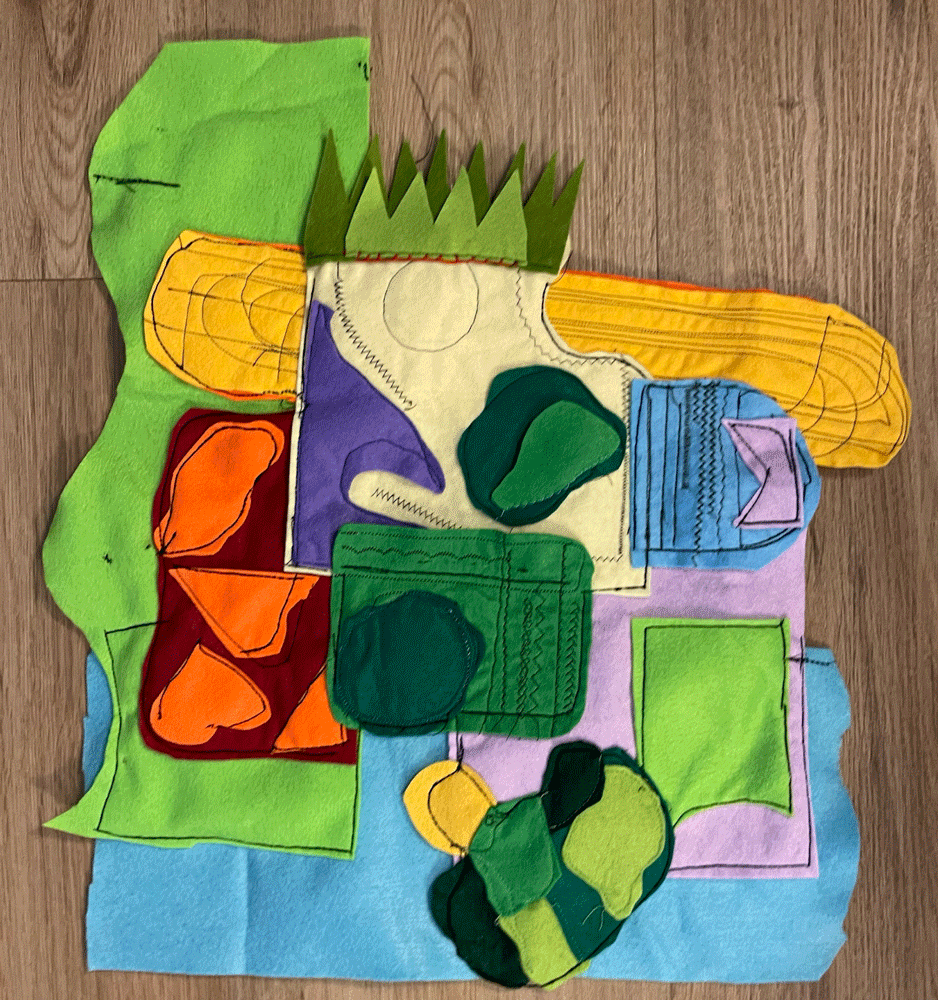
Figure 6. Amirah R., The Sentiment of Endings, 2025, machine-sewn felt scraps, dimensions variable.
As I navigated between my new role and the roles of co-facilitators in the therapeutic relationship, I found solace in felt as a sensory material in my response art. The Sentiment of Endings (Figure 6) is a reflection of my inner landscapes as I navigated the complex processes in ethically exhibiting clients’ art in a public exhibition. Using the one-canvas method el duende to process my sessions (Miller, 2021), I gravitated towards scrap pieces of felt (art materials) and different sewing options on a sewing machine (art directives) to unpack the multi-layered beginnings and endings of my clinical placement in a new environment. It was also a representation of my approach in using existing physical and metaphorical materials gathered from within the community to formulate my groundwork in becoming an art therapy practitioner.
As an emerging art therapist, there were many points and observations in my learning journey that could be further reflected upon. For example, the eclipsing impact of my background as a fine artist and arts educator on my exhibition curator role in a therapeutic setting. Or the niggling uncertainties I had in my work – am I prioritising the best interest of my clients, or was I more focused on facilitating the exhibition space to uncover these therapeutic values? Perhaps this arose from my self-doubt in training as an art therapist – an identity that would need ongoing reflexive reflections when working in a relational field.
Exhibition as endings and termination (intention and therapeutic value)
Through the psychodynamic psychotherapeutic lens, art exhibitions hold tremendous therapeutic potential towards supporting the termination process and platforming clients’ voices, identities, and lived experiences. The termination is a significant phase in therapeutic relationships where the psychodynamic-trained therapist is interested in supporting clients in their growth of individuation while processing in parallel the grief of separation. Enacting a healthy and good-enough ending will support clients in a sense of fulfilment, acknowledgement of the meaning and value of the therapeutic relationship, and its influence on future relationships (Edwards, 1997; Landgarten, 2013). Exhibitions are important psychodynamically, as they perform as a physical and therapeutic space in which artworks become concrete visual representations of the intersubjectivity and internal meaning-making processes. They also hold symbolism to support transition from dependence to self-reliance (Edwards, 1997; Etherington, 2017). Exhibitions support another layer of meaning-making where third-party viewers’ gaze on the artworks shifts the relational dynamics of the therapeutic relationship from a private to a social one. Exhibitions can enable clients to feel acknowledged by others beyond themselves and the art therapists (Andrus, 2020; DeLucia, 2016; Devine, 2022; Soape et al., 2024; Vick, 2011). The supportive effects of exhibitions extend to gradually effecting a social change for clients who feel marginalised and stigmatised (Potash & Ho, 2011; Potash et al., 2013). The planning and execution of exhibitions should proceed with ethical considerations, and in a collaborative and collegial manner with clients and the organisations art therapists work in.
As highlighted in the three reflective accounts, the authors constantly carried questions with the decisions they made when planning for the termination process. The three authors had carefully considered the intentions of the exhibitions, especially if the exhibition was woven in as a therapeutic intervention to work towards good-enough endings. While all three authors arrived at the idea of an exhibition as termination for the clinical relationship differently and at different points in time, the commonality was the constant consideration for who the exhibition primarily served – their clients. Consent seeking was present at multiple sessions. The three authors constantly practised awareness of the boundaries of confidentiality, and agency of the clients, and made it a point to verbally contextualise the artworks and exhibitions within the domain of art therapy process to the public. The three authors also supervised the use of language in the marketing and written materials for the exhibitions.
Exhibition as holding space for inner changes
An art exhibition facilitated by art therapists is not simply an area that displays artworks, but a capacity that holds creative processes and intersubjectivity for meaning-making, and intentional and gentle separation between the clients and art therapists. In our respective reflections, we witnessed clients’ inner changes displayed through their committed presence and participation in every session, trust within their groups to exercise their agency, and recognition of their self-identities and existence.
The purposefully selected art directives and materials used in the presence of art therapists provided a structured space for personal processing and cushioning of difficult endings. The art directives tailored by the art therapists offered clients a tangible and guided way to express and contain difficult emotions, followed through like a communal ending ritual – gently transitioning the clients to the end of the clinical relationship. These ending rituals are powerful holding spaces for acknowledging the normality in togetherness and parting. The three authors employed art materials and group-based activities alongside the exhibitions to facilitate a gradual shift in the clients’ relational focus from art therapists towards their existing support systems, including their family members, staff of the organisation, or other members of the group and community. Inviting members outside of the client group to participate in a group-based activity or an experience positioned them as witnesses to the clients’ experiences and creative expressions, creating opportunities for meaning to be constructed together through shared engagement.
The authors did not consider the exhibition to be a standalone closing session at the very end, but as a process that was stretched over the space of several sessions. The ending rituals as art directives for the termination can exist within this temporal intersubjective space of the exhibition as well as its physical space.
Exhibition as good-enough closure for clients and art therapists
The endings were not just for the clients, but also for the art psychotherapist graduates themselves. With the involvement of multiple parties including clients’ caregivers and various departments in the settings in the working process, we were assured that the caretakers and caregivers would continue to make concerted efforts in supporting the clients’ journey of growth and healing. We viewed our work as a part of the whole by creating opportunities to foster a sense of community within the support system, and as a valuable contribution to translate the shared beliefs and interests for clients into visual representations.
The self-doubt and worries that the authors carried were transformed into a guide for them to curate the termination process as ethically as possible, with a clear intention of the therapeutic impact it would have on the clients. Just as we helped clients recontextualise their thoughts and manage their emotions, this termination process involving exhibitions and ending rituals was an opportunity for the authors to also sit with their discomfort. Art responses were a vital tool that we employed to recognise the multiple roles we carry and process the accompanying emotions that may arise from the perceived conflict of stakeholder interests, our identities and intentions.
Implications
An exhibition is not something that is limited to just a communal therapeutic activity, nor is it merely a standalone event saved for the final session. It can be contextualised as therapeutic intervention specific to termination. The authors believe that the process of termination can be contained in a prolonged exhibition space – one that is considered across several sessions; with the art therapist facilitating an intersubjective reality that fosters transformation, reintegration, and agency. The exhibition acts as one of the ending rituals in the termination process, the other being the communal art directive held within the intersubjective space. This termination process can be beneficial for group endings where the therapeutic goals are aligned with all members of the group, and the community can exist as a support system without the art therapist.
Limitation
Firstly, no quantitative measures were utilised, thus replication of this enquiry would be difficult. Secondly, the case studies of exhibitions in termination were only derived from therapeutic work with groups or in an open-studio structure. The reflections and qualitative data did not take into account how an exhibition could work for termination with an individual case. This could be a suggestion for future research to look into the differences or similarities in how exhibitions could be facilitated for termination for individual art therapy sessions. Thirdly, the feasibility of exhibitions as terminations is largely dependent on the location the art therapist is working at. The physical environment must be conducive for the exhibition to serve and optimise its therapeutic benefits and provide space to perform the accompanying communal ending ritual.
Our self-doubt reflects our sensitivity and sense of accountability as art psychotherapists-in-training to the experience of clients. These feelings have influenced our decision-making processes, in which we tread carefully with intentions and ethics. We will continue to seek clarity and engage in art-based reflections to guide our decisions when planning and facilitating future public exhibitions.
Appendix
Key starting questions
Who is the exhibition for?
– Who is your primary (and secondary) audience?
What is the purpose of the exhibition?
– For example, to achieve a therapeutic goal; for education purposes; to raise funds?
What is the key message of the exhibition?
– For example, what are you celebrating, highlighting, advocating towards?
What is the format of the exhibition?
– For example, do you have to be physically present to view, or can it be a virtual exhibition?
Artworks and labels
Where does the work come from?
– For example, are artworks submitted directly by the artists themselves?
Who made the artwork?
– If the work is made by a child, adolescent, or person with a disability, is the parent or guardian informed of the participation?
In what context is the work created?
– For example, is it made independently of clinical intervention? Is the work made specifically for the exhibition?
What are the criteria for choosing the artwork?
– For example, is the artistic merit important for your exhibition to convey the intended message? Are you looking for expressive representations of emotions through a broad range of styles and mediums?
Where and how should the works be mounted?
– Consider if or how you can discuss the display and mounting options with the clients.
What information should appear on the title cards?
– Discuss with your clients, where possible, how much information should be available to the public – identifiers such as name or pseudonym, gender, age, culture, and details relating to medical history, artistic practice, or family.
How should the art therapist be included?
– Would the art therapist display an artwork in the exhibition? Consider the agenda for the decision.
Consent
How is consent sought and communicated with the clients throughout the art-making process?
Has the client signed a consent form to allow public display of selected works?
Does the consent form include the acknowledgement of steps and procedure involved to discuss the specifics of work display, including how it will be displayed and what information appears on the title card?
Are they comprehensive and understood by the signer?
Publicity and media
Who will provide the exhibition write-up?
Will the art therapist review and ensure the ethical standards of the exhibition write-up?
How will the data gathered for the exhibition collaterals be written to the clients’ best interest?
Is person-first, bias-free, and inclusive language used to articulate the objectives of the art exhibition?
How are viewers of the exhibition guided to understand the artists and the artworks?
Set-up and walk-through
Will the clients participate in the setup?
Do the clients have the opportunity to view the setup before the start of the actual event?
Do the clients get to speak about their artworks personally at the exhibition?
If media is invited, consider guiding them through the exhibition.
Will there be an art directive planned to process their thoughts and feelings in the making of exhibition?
Sale of artworks
Are artworks to be sold?
Who gets the sales proceeds and how is the money distributed?
Acknowledgement
The authors acknowledge the substantial and significant contributions made by each author at different stages of the development and writing of this paper. The authors extend their acknowledgement and gratitude to the teaching staff at LASALLE College of the Arts, University of the Arts Singapore, for the Master of Art Therapy degree, as well as the clients whom the authors were privileged to meet during their training.
References
Adolf Wölfli Foundation. (n.d.). Adolf Wölfli. https://www.adolfwoelfli.ch/biografie#c237
Alter-Muri, S.B. (1994). Psychopathology of expression and the therapeutic value of exhibiting chronic clients’ art: A case study. Art Therapy: Journal of the American Art Therapy Association, 11(3), 219–224. http://doi.org/10.1080/07421656.1994.10759090
American Art Therapy Association (AATA). (2013). Ethical principles for art therapists. https://arttherapy.org/wp-content/uploads/2017/06/Ethical-Principles-for-Art-Therapists.pdf
Andrus, M. (2020). Exhibition and film about miscarriage, infertility, and stillbirth: Art therapy implications. Art Therapy: Journal of the American Art Therapy Association, 37(4), 169–176. https://doi.org/10.1080/07421656.2019.1697577
Art From My Heart. (n.d.). About us. https://cheongkumwah.wordpress.com/about/
Australian, New Zealand and Asian Creative Arts Therapies Association (ANZACATA). (n.d.). Standards of professional practice and code of ethics of the Australian, New Zealand and Asian Creative Arts Therapy Association Ltd. https://www.anzacata.org/resources/Documents/ANZACATA_CodeofEthics.pdf
Atwood, G.E., Orange, D.M., & Stolorow, R.D. (2002). Shattered worlds/psychotic states: A post-Cartesian view of the experience of personal annihilation. Psychoanalytic Psychology, 19(2), 281–306. https://doi.org/10.1037/0736-9735.19.2.281
Balascio, S. (2024). Art therapy directives: An intervention toolbox (1st ed.). Routledge. https://doi.org/10.4324/9781003413363
Beaumont, S.L. (2018). From liminality to transformation: Creating an art therapist identity through myths, metaphors, and self-portraits (De la liminalité à la transformation: création de l’identité de l’art-thérapeute à travers mythes,métaphores et autoportraits). Canadian Art Therapy Association Journal, 31(2), 61–83. https://doi.org/10.1080/08322473.2018.1525667
Biesta, G.J.J. (1998). Mead, intersubjectivity, and education: The early writings. Studies in Philosophy and Education, 17(2–3), 73–99. https://doi.org/10.1023/a:1005029131211
British Association of Art Therapists (BAAT). (2019). Code of ethics and principles of professional practice for art therapists. https://baat.org/download/541/BAAT-CODE-OF-ETHICS-2019.pdf
Busuttil, J. (1990). An art therapy exhibition: A retrospective view. British Journal of Occupational Therapy, 53(12), 501–503. https://doi.org/10.1177/030802269005301207
Case, C., & Dalley, T. (2014). The handbook of art therapy (3rd ed). Routledge.
Case, C., Dalley, T., & Reddick, D. (2022). The handbook of art therapy. https://doi.org/10.4324/9781003197850
Collins, B., Darewych, O.H., & Chiacchia, D.J. (2023). The efficacy of art therapy on hope and resilience in youth within a secure care centre. International Journal of Art Therapy, 28(3), 97–105. https://doi.org/10.1080/17454832.2022.2145322
Community Nap. (2019, February 23). A brief history of self-taught & outsider art. https://communitynap.wordpress.com/2019/02/23/a-brief-history-of-self-taught-outsider-art/#:~:text=In%201921%2C%20Doctor%20and%20psychiatrist,oeuvre%20the%20surrealist%20writer%20Andr%C3%A9
Coss, E., & Wong, J. (2015). Cultural context and the practice of art therapy in Asia. In D.E. Gussak & M.L. Rosal (Eds.), The Wiley handbook of art therapy (1st ed., pp.718–726). Wiley. https://doi.org/10.1002/9781118306543.ch70
Davis, T. (2017). Art therapy exhibitions: Exploitation or advocacy? AMA Journal of Ethics, 19(1), 98–106. https://doi.org/10.1001/journalofethics.2017.19.1.imhl1-1701
DeLucia, J.M. (2016). Art therapy services to support veterans’ transition to civilian life: The studio and the gallery. Art Therapy: Journal of the American Art Therapy Association, 33(1), 4–12. https://doi.org/10.1080/07421656.2016.1127113
Devine, S. (2022). Therapeutic impact of public art exhibits during COVID-19. Art Therapy: Journal of the American Art Therapy Association, 40(1), 50–54. https://doi.org/10.1080/07421656.2022.2131359
Eastwood, C. (2021). White privilege and art therapy in the UK: Are we doing the work. International Journal of Art Therapy, 26(3), 75–83. https://doi.org/10.1080/17454832.2020.1856159
Edwards, D. (1997). Endings. Inscape, 2(2), 49–56. https://doi.org/10.1080/17454839708413047
Etherington, A. (2017). Parting is such sweet sorry or is it? Closing the art therapy space at termination. ATOL: Art Therapy Online, 8(1). https://doi.org/10.25602/GOLD.atol.v8i1.427
Feen-Calligan, H. (2005). Constructing professional identity in art therapy through service-learning and practica. Art Therapy: Journal of the American Art Therapy Association, 22(3), 122–131. http://doi.org/10.1080/07421656.2005.10129490
Feen-Calligan, H.R. (2012). Professional identity perceptions of dual-prepared art therapy graduates. Art Therapy: Journal of the American Art Therapy Association, 29(4), 150–157. https://doi.org/10.1080/07421656.2012.730027
Fish, B.J. (2012). Response art: The art of the art therapist. Art Therapy: Journal of the American Art Therapy Association, 29(3), 138–143. https://doi.org/10.1080/07421656.2012.701594
Fleetwood-Smith, R. (2024). Making and exhibiting: Reflections from the Sensing Spaces of Healthcare exhibition. The Senses and Society, 19(3), 401–413. https://doi.org/10.1080/17458927.2024.2391610
French, L. (1999). Drawing lines: Art therapists and psychiatric services working in collaboration with contemporary artists. In J. Campbell, (Ed.), Art therapy, race and culture (pp.156–174). Jessica Kingsley.
Garlock, L.R. (2019). Art for sale? Using client art for promotional purposes. In A. Di Maria (Ed.), Exploring ethical dilemmas in art therapy (pp.140–146). Routledge. https://doi.org/10.4324/9781315545493
George, A. (2015). The curator's handbook: Museums, commercial galleries, independent spaces. Thames and Hudson.
Gussak, D.E., & Orr, P. (2005). Ethical responsibilities: Preparing students for the real art therapy world. Art Therapy: Journal of the American Art Therapy Association, 22(2), 101–104. https://doi.org/10.1080/07421656.2005.10129445
Haeyen, S., & Wanten, F. (2024). Effectiveness of trauma-focused art therapy (TFAT) for psychological trauma: A mixed method single case study. The Arts in Psychotherapy, 91, 102218. https://doi.org/10.1016/j.aip.2024.102218
Heffner, D.J. (1971). “The phenomenology of the social world,” by Alfred Schutz, trans., with introduction George Walsh and Frederick Lehnert. The Modern Schoolman, 48(4), 416–417. https://doi.org/10.5840/schoolman1971484195
Headley, J.A., Kautzman-East, M., Pusateri, C.G., & Kress, V.E. (2015). Making the intangible tangible: Using expressive art during termination to co-construct meaning. Journal of Creativity in Mental Health, 10(1), 89–99. https://doi.org/10.1080/15401383.2014.938185
Hinz, L.D. (2015). Media considerations in art therapy. In D.E. Gussak & M.L. Rosal (Eds.), The Wiley handbook of art therapy (pp.135–145). https://doi.org/10.1002/9781118306543.ch13
Hinz, L.D. (2019). Expressive therapies continuum: A framework for using art in therapy (2nd ed.). Routledge. https://doi.org/10.4324/9780429299339
Ho, R.T.H. & Potash, J. (2023). Exhibitions through arts and arts therapy: From empathic understanding to advocacy. In D. Betts & V. Huet (Eds.), Bridging the creative arts therapies and arts in health (pp.175–192). Jessica Kingsley.
Hogan, S. (2001). Healing arts: The history of art therapy. Jessica Kingsley.
Huang, C-Y., Su, H., Cheng, S-M., & Tan, C-S. (2021). The effects of group art therapy on adolescents’ self‐concept and peer relationship: A mixed‐method study. New Directions for Child and Adolescent Development, 2021(179), 75–92. https://doi.org/10.1002/cad.20435
Jue, J. (2017). The extent of engagement in art making and exhibition by art therapy practitioners and students. The Arts in Psychotherapy, 55, 32–39. https://doi.org/10.1016/j.aip.2017.04.004
Kapitan, L. (2018). Introduction to art therapy research (2nd ed.). Routledge.
Kapitan, L. (2025). Introduction to art therapy research (3rd ed.). Routledge.
Kelly, J., Levey, A., & Lay, R. (2017). Forwarding arts therapy in Southeast Asia. Creative Arts in Education and Therapy, 3(1), 14–25. https://doi.org/10.15212/CAET/2017/17/3
Knowles, L.P. (1996). Art therapists exhibiting children’s art: When, where, and why. Art Therapy: Journal of the American Art Therapy Association, 13(3), 205–207. http://doi.org/10.1080/07421656.1996.10759222
Koh, K., & Lee, S. (2023). Navigating identities within arts in health in Singapore: Reflections and recommendations for collaborative art and art therapy practices. In D. Betts & V. Huet (Eds.), Bridging the creative arts therapies and arts in health: Toward inspirational practice (pp.91–104). Jessica Kingsley Publishers.
Landgarten, H.B. (2013). Termination: Theory and practice. In H.B. Landgarten & D. Lubbers (Eds.), Adult art psychotherapy (pp.174–200). Routledge.
Lay, R.P.M.H. (2018a). Community, compassion and integrity: Consideration to ethics within art(s) therapy community projects. The ANZJAT Special Conference Edition, 13(1). https://www.researchgate.net/publication/353523716_Community_compassion_and_integrity_Consideration_to_ethics_within_arts_therapy_community_projects
Lay, R.P.M.H. (2018b). East/West nature of ANZACATA: A perspective on the significance of international connections while asserting Southeast Asian relevance and context in practice and in postgraduate art therapy training. Creative Arts in Education and Therapy, 4(2), 87–96. https://doi.org/10.15212/CAET/2018/4/12
Lay, R.P.H.M. (2020). Championing art in art therapy training: A multidimensional art collaboration in Southeast Asia (Promotion de l’art dans la formation en art-thérapie: une collaboration artistique multidimensionnelle en Asie du Sud-Est). Canadian Journal of Art Therapy, 33(2), 80–88. https://doi.org/10.1080/26907240.2020.1844437
Lay, R.P.M.H. (2022). Strategic scaffolding: Constructing context-specific and sustainable art therapy training in Southeast Asia (Échafaudage stratégique: construire une formation en art-thérapie durable et adaptée au contexte en asie du sud-est). Canadian Journal of Art Therapy, 35(1), 6–11. https://doi.org/10.1080/26907240.2021.1981572
Lay, R.P.M.H. (2024). Credentialed art therapists located in Singapore and the role of experimental learning in art therapy education [Doctoral dissertation, University of Western Australia]. UWA Profiles and Research Repository. https://api.research-repository.uwa.edu.au/ws/portalfiles/portal/496777924/THESIS_-_DOCTOR_OF_EDUCATION_-_LAY_Ronald_Paul-Michael_Henry_-_2024.pdf
Leenstra, S., Goldstraw, S., & Rumbold, B. (2014). Art as evidence: Ethical considerations when using client artworks in exhibitions. Journal of Applied Arts & Health, 5(2), 227–234. https://doi.org/10.1386/jaah.5.2.227_1
Maclagan, D. (2001). Psychological aesthetics: Painting, feeling and making sense. Jessica Kingsley.
Martyn, J. (2019). Can exhibiting art works from therapy be considered a therapeutic process? ATOL: Art Therapy OnLine, 10(1). http://journals.gold.ac.uk/index.php/atol/article/view/548
McNiff, S. (2019). Reflections on what “art” does in art therapy practice and research. Art Therapy: Journal of the American Art Therapy Association, 36(3), 162–165. https://doi.org/10.1080/07421656.2019.1649547
Miller, A. (2021). El duende one-canvas art making and the significance of an interim period. Art Therapy: Journal of the American Art Therapy Association, 39(1), 24–33. https://doi.org/10.1080/07421656.2021.1935062
Miller, S.M., Ludwick, J., & Krcmar, C. C. (2020). Professional considerations for art therapists supporting the work of people with intellectual disabilities. Art Therapy: Journal of the American Art Therapy Association, 37(2), 83–87. https://doi.org/10.1080/07421656.2020.1757376
Moon, B. (2000). Ethical issues in art therapy. Charles C. Thomas.
Moon, B. (2003). Beginner’s chaos. In Essentials of art therapy education and practice (2nd ed.). Charles C Thomas.
Moon, C.H. (2011). Materials & media in art therapy: Critical understandings of diverse artistic vocabularies. Routledge.
Morgan, K. (2023). Early-career art therapists reflecting client art in clinical notes: A thematic study. International Journal of Art Therapy, 29(3), 134–141. https://doi.org/10.1080/17454832.2023.2264372
Nash, G. (2020). Response art in art therapy practice and research with a focus on reflect piece imagery. International Journal of Art Therapy, 25(1), 39–48. https://doi.org/10.1080/17454832.2019.1697307
Offer, D. (1966). On adolescence: A psychoanalytic interpretation. Archives of General Psychiatry, 14(6), 663. https://doi.org/10.1001/archpsyc.1966.01730120103021
O’Flynn, D. (2011). Art as healing: Edward Adamson. Raw Vision Magazine, Spring. https://www.researchgate.net/publication/331967376_Art_as_Healing_Edward_Adamson
Pang, K.H. (2022). We are here together for a while: Art therapy initiatives within a hospice setting in Singapore. In C. Miller & M. Torkington (Eds.), Arts therapies in international practice (pp.106–119). Routledge.
Potash, J.S. (2019). Arts-based research in art therapy. In D.J. Betts & S.P. Deaver (Eds.), Art therapy research: A practical guide (pp.119–146). Routledge.
Potash, J.S. (2022). Searching for wholeness as a Jewish art therapist. International Journal of Art Therapy, 27(4), 198–205. https://doi.org/10.1080/17454832.2022.2080842
Potash, J. & Ho, R.T.H. (2011). Drawing involves caring: Fostering relationship building through art therapy for social change. Art Therapy: Journal of the American Art Therapy Association, 28, 74–81. https://doi.org/10.1080/07421656.2011.578040
Potash, J.S., Ho, R.T.H., Chick, J.K.Y., & Yeung, F.S.W.A. (2013). Viewing and engaging in an art therapy exhibit by people living with mental illness: Implications for empathy and social change. Public Health, 127(8), 735–744. https://doi.org/10.1016/j.puhe.2013.05.004
Salom, A., Estrada, N., Melani, A.M., & Reyes, M. (2012). Art therapy exhibitions: Participants, interests, priorities. Academic Journal of Creative Art Therapies, 2(2), 214–223. https://ajcat.haifa.ac.il/images/issue4/Andree_Salom_Eng.pdf
Schaverien, J. (2000). The triangular relationship and the aesthetic countertransference in analytical art psychotherapy. In A. Gilroy & G. McNeilly (Eds.), The changing shape of art therapy (pp.55–83). Jessica Kingsley.
Skaife, S. (2001). Making visible: Art therapy and Intersubjectivity. Inscape, 6(2), 40–50. https://doi.org/10.1080/17454830108414030
Skaife, S. (2017). Public and private spaces in art therapy. ATOL: Art Therapy OnLine, 8(1). https://doi.org/10.25602/GOLD.atol.v8i1.435
Soape, E., Barlow, C., Pérez, M.T., Hart, M., Gussak, D.E., Schubarth, A., & Sumner, C. (2024). Art therapy in prisons program exhibition: Implementation and benefits. Art Therapy: Journal of the American Art Therapy Association, 41(1), 38–43. https://doi.org/10.1080/07421656.2023.2202286
Spaniol, S.E. (1990). Exhibiting art by people with mental illness: Issues, process and principles. Art Therapy: Journal of the American Art Therapy Association, 7(2), 70–78. http://doi.org/10.1080/07421656.1990.10758896
Spier, E. (2010). Group art therapy with eighth-grade students transitioning to high school. Art Therapy: Journal of the American Art Therapy Association, 27(2), 75–83. https://doi.org/10.1080/07421656.2010.10129717
Stern, D.N. (2005). Intersubjectivity. In E.S. Person, A.M. Cooper, G.O. Gabbard (Eds.), Textbook of psychoanalysis (pp. 77–92). The American Psychiatric Publishing.
Stolorow, R.D. (2013). Intersubjective-systems theory: A phenomenological-contextualist psychoanalytic perspective. Psychoanalytic Dialogues, 23(4), 383–389. https://doi.org/10.1080/10481885.2013.810486
Stolorow, R., & Lachmann, F. (1980). Transference – the organisation of experience. In R. Stolorow & F. Lachmann (Eds.), Psychoanalysis of developmental arrests: Theory and treatment (pp.28–46). International Universities Press.
Tan Tock Seng Hospital. (2020, June 22). “今天好吗? How are you today?” – Roxanne Chew, Art Therapist, asks Mr Cheong over a note pad. [Story of Mr Cheong Kum Wah’s art journey]. Facebook. https://www.facebook.com/TanTockSengHospital/posts/%E4%BB%8A%E5%A4%A9%E5%A5%BD%E5%90%97-how-are-you-today-roxanne-chew-art-therapist-asks-mr-cheong-over-a-note-pad/10158531444983069/
Thompson, G. (2009). Artistic sensibility in the studio and gallery model: Revisiting process and product. Art Therapy: Journal of the American Art Therapy Association, 26(4), 159–166. https://doi.org/10.1080/07421656.2009.10129609
Trout J.D. (2009). The empathy gap: Building bridges to the good life and the good society. Viking Penguin.
Van Lith, T., & Fenner, P. (2011). The practice continuum: Conceptualising a person-centred approach to art therapy. Australian and New Zealand Journal of Arts Therapy, 6(1), 17–22. https://www.jocat-online.org/s/3-ANZJAT-2011-TVLPF.pdf
Vick, R.M. (2011). Ethics on exhibit. Art Therapy: Journal of the American Art Therapy Association, 28(4), 152–158. https://doi.org/10.1080/07421656.2011.622698
Walter, M. (2021). Adolf Wölfli. Ein Geisteskranker als Künstler. Stadler, Adolf Wölfli Foundation, Hilar Bern (Eds.). Walther König.
Ward, D.E. (1984). Termination of individual counseling: Concepts and strategies. Journal of Counseling & Development, 63(1), 21–25. https://doi.org/10.1002/j.1556-6676.1984.tb02673.x
Yalom, I., & Leszcz, M. (2020). The theory and practice of group psychotherapy (6th ed.). Basic Books.
Authors

Lim Cheng Hong
MAAT, BA(Hons), AThR, AThS
Cheng Hong is an art therapist at a public hospital in Singapore where adults and older adults seek acute, rehabilitative, or hospice care. They could be in rehabilitation after a fall, stroke, or cancer; living with dementia or mental health conditions; or stepping into their final stage of life. She uses art, materials, and artmaking to support their psychological and emotional needs as they navigate complex experiences in the hospital.
ORCID: 0009-0009-2183-362X
Email: lim8chenghong@gmail.com

Abdullah Zulhilmie bin Budiman
MAAT, BA, AThR, AThS
Zulhilmie integrates his background in sociology, and social psychology with art psychotherapy to provide psychological support to adults and teens navigating symptoms of depression, anxiety, life transitions and traumatic childhoods. He is passionate about working with neurodivergent individuals (ADHD, ASD, Dyslexia) across all ages. He uses his experience as a former educator and working with youth-at-risk to also support development and mental wellbeing for children and youths.
ORCID: 0009-0009-3748-8111
Amirah Raudhah binte Razali
MAAT, BA(Hons), AThR, AThS
Rooted in a formal fine arts background, Amirah’s practice began with an exploration of memory and visual expression. Moving beyond the studio into arts education, she focused on empowering diverse learners to build confidence through hands-on artistic inquiry. This work naturally expanded into community arts, where she discovered how collaborative creation fosters collective resilience and social connection. Witnessing the profound emotional breakthroughs inherent in these creative spaces ultimately guided her towards art therapy. Today, Amirah’s practice merges technical foundation, pedagogical empathy, and community engagement into a therapeutic framework – positioning art as a vital process for self-discovery, emotional regulation, and psychological healing.
ORCID: 0009-0003-1666-6544