

Open Access
Published: June 2026
Licence: CC BY-NC-4.0
Issue: Vol.21, No.1
Word count: 6,825
About the author
A quasi-experimental study on the effect of expressive arts therapy on the psychological flexibility and self-acceptance of female caregivers of frail older adults
Mei Yee Cheung
Abstract
Psychological flexibility is one of the crucial factors for well-being, and gaining psychological flexibility leads to higher self-acceptance. The objective of this study, completed as part of a dissertation for the Master of Expressive Arts Therapy at The University of Hong Kong, was to qualitatively and quantitatively explore the impact of expressive arts group therapy on female caregivers of older adults. A total of eleven female participants, aged 55 to 80 years, and caregivers of frail older adults, were recruited for the experimental group and the control group in the study.
This study included an evaluation of the outcomes of an expressive arts therapy experimental group for caregivers. The study showed qualitative evidence that the psychological flexibility of caregivers could be enhanced through expressive arts therapy, which suggested an improvement in their emotional well-being. The study also revealed that self-acceptance is one of the capabilities in psychological flexibility. The psychological flexibility of the participants was evaluated through the qualitative evidence rather than the quantitative measurement of self-acceptance. The analysis of the participants’ values and committed actions have been captured in this paper, revealing that self-acceptance and psychological flexibility seem to be not necessarily relational to each other.
Keywords
Psychological flexibility, caregivers, self-acceptance, emotional well-being, values, committed action, felt senses
Cite this article Cheung, M.Y. (2026). A quasi-experimental study on the effect of expressive arts therapy on the psychological flexibility and self-acceptance of female caregivers of frail older adults. JoCAT, 21(1). https://www.jocat-online.org/a-26-cheung
Introduction
Psychological flexibility is the capability to cope with changes and to seek alternative solutions. Such capacity impacts the emotional well-being of individuals. Broadly, psychological flexibility refers to a scope of capabilities, including the recognition of and adaptation to demands in certain situations; the adjustment in mindsets and change in personal and social functioning; the ability to foster a balanced approach to different life issues; and the awareness, openness and commitment to upholding values (Kashdan & Rottenberg, 2010). Caregivers of frail older adults need psychological flexibility to sustain their own emotional well-being in a role that requires a lot of decision making.
The effectiveness of expressive arts therapy in enhancing the psychological flexibility for the above population has been worthwhile to investigate. The objective of this study, completed as part of a dissertation for the Master of Expressive Arts Therapy at The University of Hong Kong, was to explore the impact of expressive arts group therapy for female caregivers of older adults. The inclusion criteria for this study were female caregivers aged 55 to 80 who were taking care of frail older adults.
Literature review
Caregivers of frail older adults
A caregiver is “a person who provides care and support to someone else” (World Health Organization, 2015, p.226). As reported, older adults depend on their primary female caregivers for their care (World Health Organization, 2017). As more women have joined the workforce over time, there has been a decrease in their capacity to care for older members of their families (World Health Organization, 2015).
In Hong Kong, the Census and Statistics Department (2021) reported that the population of older adults increased by 54.2% between 2011 to 2021, reaching a total of 1,451,514 people aged 65 or above. It also stated that over 70% of this population live in their own household, either with their spouse, with their spouse and children, or with their children only. Moreover, the share of older adults living with their spouse and/or their children rose from 53.3% in 2011 to 58.9% in 2021, indicating a higher frequency of family members “being the primary caregiver of older family members” (Census and Statistics Department, 2021). There has also been a high prevalence of the “elderly taking care of the elderly”, especially among female caregivers, with a recent study finding that 69.9% of caregivers in Hong Kong were female family members, 26.8% of whom were 60 years old or above (Leung et al., 2022).
Primary caregivers, known as ‘family caregivers’, have as their care recipients their loved ones, as opposed to formal caregivers, who offer additional services to the family (Powlen, 2021). Caregivers experience caregiving burdens from various sources. The caregiving burden has been conceptualised as a three-factor model of ‘caregiver strain’ including ‘perception of caregiving’, ‘empathetic strain’ and ‘adjustment demand’ (Chow et al., 2023). Caregiver burdens can arise from factors such as the age of the care recipients (Chow & Ho, 2015; Kurtz et al., 1995), the education level of caregivers (Rosdinom et al., 2013), caregiving time per week (Ding et al., 2022), the physical and psychological health condition of caregivers (Isac et al., 2021), the level of demand of all-around care of the care recipients (Huang et al., 2021), the type of relationship with the care recipients (e.g., spousal or parent–child relationship [Isac et al., 2021]), external environmental and cultural factors such as filial piety in traditional Chinese culture (Chan & Chui, 2011; Ding et al., 2022), cultural differences upon migration (Gallart et al., 2013; Kung, 2003; Neufeld et al., 2002), and perception of caregiving (Chow & Ho, 2015).
A systematic review concluded that family caregivers of palliative care patients need immense psychosocial support, but that there is a lack of intervention studies (Hudson et al., 2010). Moreover, other scholars have called for future research into creative arts interventions for caregivers of older people (Donorfio et al., 2010). Respite care is seen as one of the goals for managing the caregiver burden through providing rest from the caregiver role (Gilmour, 2002). Given this research context, this study included an evaluation of an expressive arts therapy experimental group for caregivers.
In another systematic review, the authors found that caregivers could reduce their stress and burden, and be more adaptive to the role, through a resilient coping style (Palacio et al., 2019). Multiple studies have likewise suggested that adopting resilient coping strategies can lead to positive changes for caregivers’ well-being by enhancing their active coping skills (Pakenham, 2007; Palacio et al., 2019).
Not only can the caregiving burden lead to reduced quality of life (Contreras et al., 2021), but it can also affect the relationship between the caregiver and their care recipient (Isac et al., 2021). The caregiving burden has been found to be more positively associated with a caregiver who is the daughter or daughter-in-law of the care recipient (Lee et al., 2017). In addition, a study in Singapore showed that both the factor of filial piety and the role of primary caregiver were positively associated with caregiver burden for those caring for frail old adults (Ding et al., 2022). There has recently been a paradigm shift, advocated by a systematic review that suggests focusing on ‘caregiver resilience’ instead of ‘caregiver burden’ (Isac et al., 2021).
A correlational study from Lebanon found that emotion-focused coping strategies were positively associated with resilience among female caregivers (Séoud & Ducharme, 2015). A study of gender difference in well-being, meanwhile, showed more diverse prominence and manifestation of well-being among female caregivers than male caregivers (Bhan et al., 2020). Both these studies suggest investigating how coping and emotional adjustment can help to lower the caregiver burden.
Psychological flexibility and emotional well-being
Psychological flexibility
Psychological flexibility is well regarded as a mediator for well-being (Browne et al., 2022) and has been defined in various research settings. It can refer to the ability to adjust to a change in environment or shift in perspective, as well as the ability to strike a balance in achieving one’s desires and goals in life even when there is distress (Kashdan & Rottenberg, 2010). It has also been referred to as the ability to “disengage from an initial pattern if the initial pattern of response is no longer effective for the specific situation” (Morris & Mansell, 2018, p.4).
The significance of psychological flexibility in emotional well-being
Psychological flexibility serves as a malleable factor to improve emotional well-being (Steenhaut et al., 2019). It buffers stressors in life events (Fonseca et al., 2020) and is suggested to lessen the negative views of emotion, specific emotion schemas and risk-averse decision making (Leahy et al., 2012). Furthermore, higher levels of psychological flexibility may reduce stress and promote well-being (Wersebe et al., 2018), as well as impact coping repertoires (Dawson & Golijani-Moghaddam, 2020), adaptivity (Waldeck et al., 2021), and quality of life (Contreras et al., 2021). In terms of evaluating depression risk, being psychologically flexible can promote flexible responses as well (Madison, 2021).
The impact of psychological flexibility on different populations during Covid-19
Psychological flexibility helps facilitate psychological health and adjustment (Kashdan & Rottenberg, 2010). Given the role of psychological flexibility as a mediator of distress, and its relationship with coping, a wide range of research, including studies on stress reduction and emotional distress, was conducted during the Covid-19 pandemic among multiple populations, including children and teenagers (Waldeck et al., 2021), Turkish undergraduate students (Arslan & Allen, 2022), adults with adverse childhood experiences (Browne et al., 2022), adults with obesity (Guerrini Usubini et al., 2021), and community-dwelling adults in Switzerland (Gloster et al., 2017).
When psychological flexibility functions as mediator
Apart from studying the direct association with emotional well-being, recent research has examined indirect factors that may be associated with emotional well-being, including the relationship between well-being and family functioning (Crasta et al., 2020), the association between distress and sleep quality (Peltz et al., 2020), the impact of well-being on depression and anxiety (Landi et al., 2020; Pakenham et al., 2020), and the effect of distress on suicidal ideation (Crasta et al., 2020). Psychological flexibility is thus regarded as a mediator between adversity and the outcome of well-being (Arslan & Allen, 2022).
How psychological flexibility is being enhanced in the Unified Flexibility and Mindfulness (UFM) scale
The Unified Flexibility and Mindfulness (UFM) scale (Rogge & Rasmussen, 2024) organises “aspects of psychological flexibility into distinct stepwise stages of responding to difficult thoughts, feelings, and experiences” (Parker et al., 2024, p.1). It provides “a foundation for the dimensions of the psychological flexibility model to be incorporated into mechanistic models of interpersonal functioning” (Parker et al., 2024, p.2).
Parker et al. (2024) also agree that the dimensions of the UFM scale, including dimension (v) values and dimension (vi) committed action, which will be further evaluated in this article, are associated with psychological flexibility. The UFM scale explains how psychological flexibility is enhanced through the adoption of the mindful awareness lens, which can be linked with other aspects of psychological health (Crasta et al., 2020; Rogge & Daks, 2021). The UFM scale illustrates the mechanisms that enhance psychological flexibility through acceptance and commitment therapy (ACT) and that improve emotional well-being as a result.
The function of psychological flexibility in the UFM scale, as proposed by Parker et al. (2024), is aligned with the mediation of health, as proposed by Kashdan and Rottenberg (2010). The essence of psychological flexibility is well illustrated in the UFM scale, in which the individual’s increased awareness of the here-and-now gradually leads to a higher level of psychological flexibility, followed by their experience of flexible acceptance towards difficult feelings and maintenance of a broader perspective. The latter effect is similar to how the ‘decentring’ stage of the intermodal expressive arts therapeutic approach works. Then the more flexible and value-driven behaviours overtake the aimless and haphazard behaviours, directing a person towards functional wellness (Parker et al., 2024).
As flexibility is one of many factors that mediate well-being, studies have also compared the mediation effect of other factors with that of psychological flexibility. These include self-compassion, adaptivity and time factors. For example, there have been studies showing that psychological flexibility is more associated with emotional well-being than self-compassion is (Marshall & Brockman, 2016; Woodruff et al., 2014). Research investigating the pathway of associations between psychological distress, adaptivity, psychological flexibility and well-being has yielded preliminary evidence that psychological flexibility has impact on the association between adaptivity and psychological distress. Hence, this research indicates that flexibility impacts adaptivity and may lead to a reduction in distress, though the causal relationship is yet to be validated (Waldeck et al., 2021). In a study on the associations of time factors, especially the present dimension, with well-being, researchers highlighted a higher association between psychological flexibility and avoidant coping. Such impacts were more significant in the Covid-19 pandemic among adults living in the United Kingdom (Pyszkowska & Rönnlund, 2021). This was supported by Dawson and Golijani-Moghaddam (2020).
Counter arguments on how psychological flexibility mediates
The association between psychological flexibility and coping has often been challenged. Various studies on the mediation pathway have found that there are other more significant pathways that impact coping. Therefore, psychological flexibility is not regarded as having the only direct association with coping (Dawson & Golijani-Moghaddam, 2020). Another counter argument regarding the definition of psychological flexibility involves questioning the association between brain plasticity and well-being (Giommi et al., 2023). Neither of these counter arguments has been thoroughly investigated, but future studies on these aspects may further indicate the mediating role of psychological flexibility with regard to emotional well-being.
It should be noted that there may be various arguments about the borrowing of the concept of psychological flexibility to evaluate the effectiveness of expressive arts therapy. The use of the AAQ-II, which has been frequently used to assess psychological inflexibility (Waldeck et al., 2021) rather than psychological flexibility, is also a controversial issue under debate in the field of acceptance commitment therapy. Hence, the findings in this study only serve as a starting point for the use of expressive arts therapy for enhancing caregivers’ psychological flexibility.
Expressive arts therapy and emotional well-being
The use of expressive arts interventions has been shown to yield positive impacts on emotional well-being, such as reducing stress, anxiety and depression, and improving quality of life (Liddle et al., 2012, 2013; Phillips et al., 2023; Weziak-Bialowolska et al., 2021). In one study, both patients with a chronic condition and health care professionals were able to gain support and see a positive impact on their mental health through the use of arts (Vaartio-Rajalin et al., 2021). A study in Taiwan showed that expressive arts therapy helped older people with dementia to improve emotional well-being through enabling them to express their emotions and thoughts (Lin, 2021). Another study in Taiwan examined the effectiveness of an art intervention on long-term depression among older people living in a senior-home-care setting (Wen et al., 2015). The use of expressive writing was found to help a group of nurses, as formal caregivers, to express and regulate their emotions, which then enhanced their ability to cope with their daily work of caring for their patients (Sexton et al., 2009).
Creative arts interventions in groups have been shown to establish meaningful connection and support among informal caregivers of older individuals in two systematic reviews (Phillips et al., 2023; Watt et al., 2022). In addition, a wide range of studies has shown the effectiveness of arts-based therapy in lessening caregiver burden (Harvey et al., 2018), reducing caregiver burnout and stress (Levenberg et al., 2021; Loewy, 2015; Wharton et al., 2019), reducing caregiver depression (Wharton et al., 2019), and improving caregivers’ quality of life (Richards et al., 2019).
The therapeutic mechanism of improving emotional well-being through expressive arts therapy has been studied extensively. In a scoping review, De Witte et al. (2021) determined that the therapeutic factors of creativity were critical for individuals’ openness and adaptivity towards new possibilities as spaces were offered for clients to explore and try out alternative coping strategies. Meanwhile the changes in modalities of the intermodal expressive arts intervention enhanced participants’ openness and flexibility in accepting new perspectives and alternative creative pathways, and ultimately in reaching their therapeutic goals (Orkibi, 2012; Ram-Vlasov & Orkibi, 2021).
De Witte et al. (2021) suggest that the therapeutic factors of modulating time and space affect the creative space offered to the clients. As the here-and-now is more emphasised than the there-and-then, clients undergo the greatest potential to change and grow through the imagination (De Witte et al., 2021). The extension of the imaginative space also coincides with the concept of the decentring stage, as proposed in the intermodal approach in expressive arts therapy, which further leads to the client’s openness and flexibility to accept themselves by widening their play range.
Methodology
Research method
This study is a quasi-experimental study in which the staff in the community elderly centre coordinated the recruitment procedure. The inclusion criteria for this study were female caregivers aged 55 to 80 who were taking care of frail older adults. Research participants were required to give their written consent on the service agreement, and had to be willing to attend pre- and post-group individual interviews. Participants refusing to offer written consent were withdrawn from the study. The exclusion criteria were those with psychotic symptoms within two years or those with bereavement experience within one year.
A privacy statement was included on the written consent form that explained how data collected via the survey would be stored and used. All the data and materials collected would be preserved on an encrypted drive and kept until the end of the dissertation research period to preserve the data anonymity.
The participants were recruited from Pak U Neighbourhood Elderly Centre through open recruitment and referral by the social workers, then the social workers balloted the recruited participants into the experimental group and the control group before the student researcher first met the participants in the pre-group individual interviews. The agency disclosed the participant list for the experimental group and the control group to the researcher. A total of eleven female participants, aged 55 to 80 and caregivers of frail older adults, were recruited. Six of them were assigned to the experimental group with five sessions of expressive arts therapy, and five of them were assigned to the control group.
All the participants were invited to attend one pre-group individual interview session and one post-group individual interview session for the questionnaire and post-group semi-structured individual interviews, arranged by the agency staff and held in the agency meeting room by the researcher. Clinical observations of the experimental group were made for qualitative analysis.
At the beginning of the study, Participant E decided to withdraw from the experimental group after attending Sessions 1 and 3, because she was personally not ready to engage in the expressive arts as an intervention process. For the remaining five participants, there was an attendance rate of 90%. Almost all participants had full attendance, with the exception of participant C who requested leave for medical reasons in Sessions 4 and 5, and participant D who requested leave for family matters in Session 4.
Clinical observations and the participants’ ideas about the artwork they created were consolidated through notetaking after every session by the student researcher (who was also the student therapist), and the student co-therapist took photos of artworks at the end of each session. Meanwhile, participants’ responses in the semi-structured interviews were recorded in notes by the student researcher, also in the agency meeting room.
The qualitative data below were first presented with respect to the clinical observations, referring to the process of the architecture during the intermodal expressive arts therapy approach, including the building of a safe environment, decentring, the extension of play range, the engagement of felt senses, self-discovery through aesthetic analysis, and the impact of group dynamics during the harvesting stage. Later, the sharing content during the harvesting stage was coded, then analysed according to the UFM’s six dimensions, including (i) acceptance, (ii) cognitive defusion, (iii) being present, (iv) self as context, (v) values and (vi) committed action (Hayes et al., 2006). The imagination is enriched through engagement of felt sense, the analysis of dimension (v) values and dimension (vi) committed action are captured in this paper as follows.
The study received ethical approval from the Human Research Ethics Committee of the University of Hong Kong. The study and the student investigator were under the supervision of Professor Rainbow Ho Tin-hung in the Department of Social Work and Social Administration at The University of Hong Kong.
Quantitative measurements
The Acceptance and Action Questionnaire II (AAQ-II) (Bond et al., 2011), which is the most widely used scale of psychological flexibility (Bond et al., 2011; Rochefort et al., 2018; Tyndall et al., 2019; Wolgast, 2014), was included in the pre- and postquestionnaires. The Chinese version of the scale, which has been validated for the measurement of experiential avoidance in Hui and Kazak adolescents (Wang, 2015), was adopted in this study.
The 7-item AAQ-II, which computed 7 subscales scored on a 7-point Likert scale (1 = never, 7 = very often) as the sum of items, included:
My painful experiences and memories make it difficult for me to live a life that I would value.
I’m afraid of my feelings.
I worry about not being able to control my worries and feelings.
My painful memories prevent me from having a fulfilling life.
Emotions cause problems in my life.
It seems like most people are handling their lives better than I am.
Worries get in the way of my success.
The responses to the pre-group and post-group questionnaires, which were collected during individual interviews one week before the first experimental group session and one week after the last experimental group session.
Qualitative measurements
Clinical observations included an assessment of the participant’s decentring and self-disclosure in the harvesting process during the experimental group sessions, and the semi-structured interviews held one week after the last session of the experimental group. Participants were required to respond to the following seven questions:
As a caregiver, what kind of decision is the most difficult for you to make?
What are/were the top priorities in your role as a caregiver?
What are the changes for you after joining the expressive arts therapy group?
What kind of arts modality do you usually get in touch with in daily life?
What kind of arts modality do you usually get in touch with after the study?
What do you think are the potential benefits for caregivers to receive expressive arts therapy interventions?
What do you think are the potential challenges for caregivers to receive expressive arts therapy interventions?
Intervention
Participants in the experimental group were invited to join a total of six sessions of the intervention program with the therapeutic goal of enhancing self-acceptance. Participants in the control group did not receive any intervention during the same period. The session plan is shown in Table 1. The first session began with rapport and safe-space building, followed by the goal of self-understanding in Session 2. Sessions 3 and 4 aimed to help the participants to explore new possibilities, while Session 5 aimed to help them to accept their alternative selves. The final session marked the end of the experimental group through celebration and closure. In each session, an intermodal expressive arts therapy approach was adopted (Knill et al., 2005) and the therapist-researcher led the harvesting with aesthetic analysis to assist the participants to identify the message from the artworks to themselves.
Table 1. Session plan for the experimental group.
Results
Quantitative analysis
Five participants from the experimental group and five participants from the control group completed the pre- and post-group questionnaires in the pre- and post-individual interviews formulated by the Acceptance and Action Questionnaire (AAQ-II).
The mean age was 61 years 5 months (SD = 4.83) for the experimental group (n = 5), with an attendance of 90%, while the mean age was 73 years 10 months. (SD = 3.63) for the control group (n = 5) (see Table 2).

Table 2. Demographic information for the experimental group and the control group.
There was a mean decrease of AAQ-II 1.60 (SD = 7.13), from 19.00 to 17.40, for the experimental group, while there was a mean decrease of AAQ-II 2.40 (SD = 9.32), from 24.80 to 22.40, for the control group (see Table 3). It was found that there was a greater decrease in mean in specific AAQ-II items for the experimental group than the control group. For example, it was found that there was a decrease of 0.8 (SD = 1.30), from 3.00 to 2.20, for the item “I’m afraid of my feelings” in the experimental group (compared to an increase of 0.4 [SD = 2.07], from 3.00 to 3.40, in the control group).
Moreover, it was found that there was a decrease of 0.2 (SD = 1.10), from 2.60 to 2.40, for the item “My painful memories prevent me from having a fulfilling life” in the experimental group (compared to an increase of 1.00 [SD = 1.41], from 2.60 to 3.60, in the control group).
Lastly, it was found that there was a decrease of 1.00 (SD = 1.22), from 3.00 to 2.00, for the item “Worries get in the way of my success” in the experimental group (compared to a decrease of 0.6 [SD = 1.34], from 3.20 to 2.60, in the control group).
It was observed in the above findings were observed that the participants in the experimental group showed a higher flexibility in accepting their own feelings after the expressive arts group therapy, self-rating a lower score for the item “I’m afraid of my feelings” than before, whereas the control group self-rated a higher score. Moreover, the participants in the experimental group demonstrated a higher adaptivity towards painful memories to reach a fulfilling life, with a lower score in the item “My painful memories prevent me from having a fulfilling life” than before, in contrast to an increased score in the control group. Participants in the experimental group also experienced reduced impact from worries affecting their success in life, with a lower score in the item “Worries get in the way of my success” than before; the control group had a comparatively smaller decrease in this score.
The non-parametric unpaired 2 group Mann-Whitney Test was conducted for the result of the pre-questionnaires of both the experimental group and control group. There is no evidence to show that there had been differences in AAQ-II between the experimental group and the control group (U = 12.5, p>0.05) (see Table 4).
Given that there were concurrent physical and family life changes for Participants C and D, respectively, during the intervention period, more evidence from the qualitative analysis is shown in the next section to demonstrate the impacts of psychological flexibility on the participants in the experimental group.
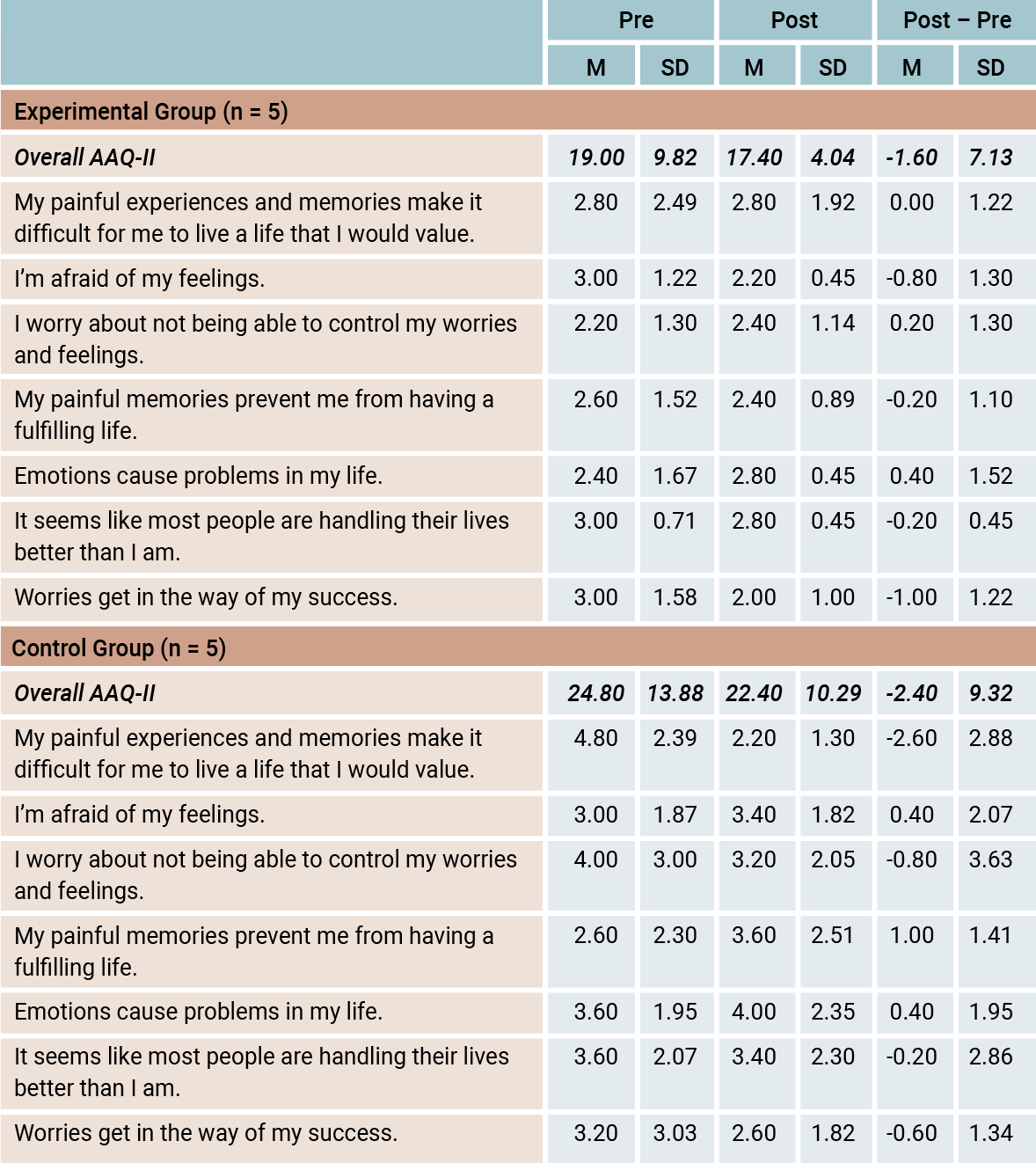
Table 3. AAQ-II statistics for experimental and control groups.
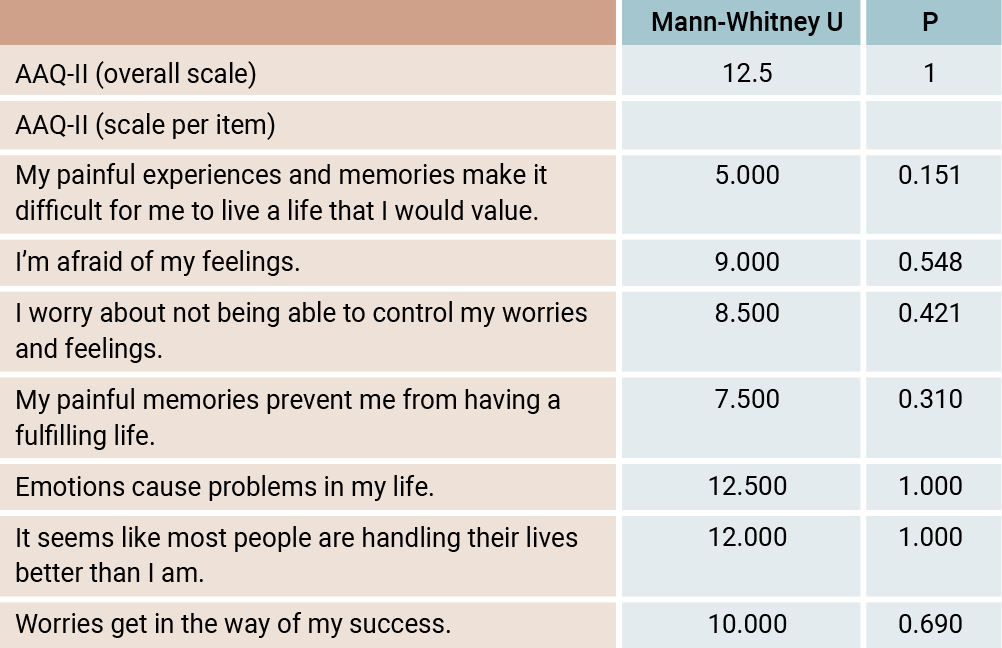
Table 4. Changes in AAQ-II using the non-parametric unpaired 2 group Mann-Whitney test (Mann-Whitney U).
Engagement in senses for imagination
‘Felt senses’ refer to intermodal transfer involving the felt senses of auditory, visual, tactile and sensorimotor stimulation (Gendlin, 1981). Apart from visual elements for the visual art-making process for crystallisation (Knill et al., 2005), the group used auditory, sensorimotor and kinaesthetic senses. Participants engaged their senses with their relevant imaginations, as described below.
Participant A picked up a dried flower and smelled it. The scent stimulated her olfactory senses and hence led her to design a new home for her chosen animal figurines in Session 4 (see Figure 1). She claimed that the floral smell around the nest helped create a comfortable space for the two doves. She also received stimulation from the art work made, e.g., the sensorimotor sensation of the warmth from the sun she drew in Session 1, and the cheerful and encouraging vibes from the cycling scene in her self-portrait collage. She chose to use a tree bell to imitate as part of the cheering team. Her imagination was also stretched through her auditory sense, as she started to pick colours for marble painting after she listened to and digested the vibes created in the music pieces in Session 5.
Figure 1. Artwork created by Participant A in Session 4.
Dimension (iv), self as context (Hayes et al., 2006)
The group process enabled the participants to identify the self and to allow safe space for the self, by differentiating the self and others, by differentiating the feelings of here-and-now and there-and-then, and by guarding the self from a perspective bent on negative feelings and experiences. The following statements describe how participants identified self as context during the semi-structured interviews that followed the conclusion of the sessions.
The group helped me to keep in touch with more people and broaden my horizon, which I never thought would have happened. (Participant A)
The take-home message for me after the group is, if I am not mentally well, I am not able to do anything well. (Participant D)
The self as context was reflected in Session 4 when the participants described the process during the session as comfortable. For instance, Participant F claimed that the pressing of green rice-paper to form the secure base for the animals was a comfortable moment, in which the security of the process offered her comfort. Moreover, after the first session, Participant C showed that she was able to reserve space for herself to use arts in daily life. She shared in the interview that she started doodling at home every morning, writing her names and copying telephone numbers on scrap paper. She even shared her doodling with her husband. With her husband’s unconditional positive regard and appreciation, she felt satisfied with her ‘me-time’.
Similarly, the group experience provided Participant F with the ability to reserve space for herself. She shared that she found it helpful to draw, and to play the piano in her leisure time. In Session 6, she quoted an expert, saying that a trip could help a person to sustain positive energy for at least one month. In the semi-structured interview, she soon realised that finding a safe space to play the piano from time to time and taking a trip at least once a year were her ways of “getting away from the caregiving role”. This reflected that she had been able to reserve time for herself, as a form of differentiation from the caregiver role.
Dimension (v), values (Hayes et al., 2006)
The values dimension emphasises “the path for a more vital, values consistent life” (Hayes et al., 2006, p.9). ‘Values’ refer to the ability to identify how such a path coincides with the ability to identify priorities for self. A few members shared the paths they identified for themselves, while some of them showed their priorities in choosing their path during the group process.
Participant F showed her holistic consideration of tone before she kept on adding features to her artwork (Figure 2). She opted to leave blank space instead of fitting in mis-matched wordings. This kind of flexible consideration, like leaving space blank instead of constantly filling in the gaps, matched the value she identified for herself, “leaving space in the caregiving life”.
Figure 2. Artwork created by Participant F in Session 6.
I thought of adding words, like ‘eye opening for the world’ in the gap in the middle of the collage. But I thought the Chinese writing did not match with the vibes of European architecture in the collage. Hence, I kept on searching online for an appropriate English saying. (Participant F)
Participant F’s struggle to decide whether to leave the caregiving role for a while was brought up in the self-portrait she created in Session 6 (see Figure 2). She shared how she treasured the yearly stay away from her care recipient. She reassured the group of her belief in the importance of taking a rest. She gently shared that taking at least ten days away from a care recipient annually did not mean that you were being irresponsible. In fact, taking care of oneself can recharge the self with at least one month of energy moving forwards. She strongly emphasised the value of self-care, and told the group that she was setting off on a ten-day vacation to Italy the week after the group ended.
Dimension (vi), committed action (Hayes et al., 2006)
Most of the participants demonstrated their courage and ability to make changes. These qualities were revealed in clinical observations of Participants A and D.
Participant A showed a more open attitude to trying out the arts process in Session 5 than in previous sessions. During the first few sessions, she often reconfirmed the guidelines offered by the student therapist. In the marble painting process in Session 5, however, she initiated a prompt to add two marbles to the tray at once and told the group affirmatively that it was “okay to use two marbles”. She was braver in sharing her imagination, turning a green shape into a green apple and a ship sailing on the sea. She also titled the artwork The days watching the sea, with a much more affirmative tone and less hesitation than before (Figure 3).
Figure 3. Participant A, The days watching the sea, from Session 5.
Participant A also reflected on her insight of positivity from the scarf movement process in Session 2.
The experience in the group was the positivity. The movement of the scarf was not restricted, and the variety in movement style was truly unexpected (Participant A)
Participant D made choices that allowed free space for herself. For instance, in the marble painting process with background music in different grooves, she opted to put down her tray and revel in the music. She decided to leave space on the paper, in the same way as she started to allow empty space for herself in daily life, escaping the role of caregiving if it was not necessary.
Discussion, limitations and future work
Discussion
This study was a quasi-experimental study with female caregivers (aged 55 to 80) of frail older adults. Members from both the experimental group and the control group were recruited by the agency. For the experimental group, a total of six expressive arts therapy group sessions were offered to five participants. For the control group, five participants were invited by the agency and offered a one-off expressive arts experiential workshop as a token of thanks after the study. All the participants attended one pre-group and one post-group individual interview session for the questionnaire and individual post-group semi-structured interviews.
According to action and commitment therapy (ACT), lessening experiential avoidance enhances a person’s psychological flexibility in accepting new alternatives (Márquez-González et al., 2014). This lessening of experiential avoidance happened in the intervention using expressive arts group therapy. One of the factors helping to reduce avoidance was the safe environment built upon the group process using expressive arts. For example, Participant A gradually stopped asking the student therapist to clarify the guidelines and became less hesitant to realise her creativity in the marble painting, as described in the previous section. Participants’ openness to experience new coping strategies, in a much more confident manner, further validated the improved openness and acceptance among participants in the experimental group.
Hayes et al. (2006) consider the acceptance of negative feelings as a kind of coping strategy that involves psychological flexibility. During the intervention process, participants showed acceptance of negative feelings, such as Participant B’s increased acceptance of low-mood music, Participant A’s new ‘letting-go’ attitude and Participant C’s acceptance of the reality of her own physical deterioration.
Cognitive diffusion, which refers to the ability to acknowledge and accept uneasy and negative feelings appropriately (Hayes et al., 2006), was also found in the experimental group. Most of the participants were able to identify ways to distract themselves and to avoid the caregiver role. This included options using arts as leisure activities such as Participant C’s doodling habits and Participant F’s decision to play the piano when not engaged in caregiving.
As for the awareness of feelings in the present moment, which refers to an awareness of feelings in the moment (Hayes et al., 2006), and is similar to the concept of the mindful awareness lens suggested by the UFM scale (Rogge & Daks, 2021), most of the participants in the experimental group were able to appreciate the emotions they came across in the here-and-now. For example, Participant A, through sensing the given music (Cantonese pop songs from her youth in the 1970s and 80s) and intermodal transfer of the scarf movement, reflected on her awareness of her present emotions and embodied those emotions using her body and the scarf.
The dimension of self as context (Hayes et al., 2006, p.9) refers to the ability to identify priorities in daily life. Before identifying the priorities, one must understand one’s values, hence the feasible possibilities, and then identify the possible solutions to or coping strategies towards their caregiving choice. Throughout the intervention, most of the participants were able to demonstrate their capability of self as context. For instance, Participant D decided to focus on one single season out of four to show her current self in Session 6, which was much narrowed down from the theme of four seasons in Session 2. Participant F, on the contrary, chose to keep empty space instead of adding discordant wording. All these in-session and out-of-session scenarios during the intervention period indicate that the recipients of expressive arts therapy could sustain their own values by adopting a diverging perspective towards negative feelings and experiences.
The element of committed action in psychological flexibility refers to the actions carried out to move an individual forwards instead of backwards (Hayes et al., 2006). In the semi-structured interviews, participants shared numerous actions they had practised in their daily lives that drew on the creativity processes of the experimental group, as well as decision making rooted in the open and accepting attitude that they learned from the expressive arts therapy group. Some of them were willing to take on challenges during the group process, thanks to the safe environment created, such as Participant A sharing her alternative of two marbles and Participant D’s appreciation of the blank space on the drawing paper, which she related to her own life. Some even committed to taking alternatives into consideration in their caregiving, such as Participant F’s decision to keep her mother at home instead of sending her to the hospital. Without this kind of flexibility, the caregiving life of the participants would be characterised by less choice and fewer alternatives.
Expressive arts therapy creates a safe environment for participants to build rapport with their peers and extend their play range through the therapist’s facilitation of travelling from the effective reality to imaginal reality. This allows participants to experience the decentring process, sometimes with the help of various sensory stimuli. The fostering of imagination and creativity can extend the flexibility of an individual to create, and to further find a creative alternative to cope with unwanted situations (Knill et al., 2005). The clinical observations and reflections shared in the post-intervention semi-structured interviews further validated that the expressive arts therapy process enables changes in psychological flexibility.
Limitations
There are several limitations in this study. Firstly, the use of self-reported AAQ-II measurements might create a bias, due to a respondent’s low emotional sensitivity (Doorley et al., 2020). Secondly, the Chinese version of the AAQ-II measurement has been validated in minority groups, i.e. in Hui and Kazak adolescents (Wang, 2015) only, which are different from the participants in terms of ages, literacy and cultural background. Thirdly, the student investigator shared the role of both therapist and researcher, which might have created bias during the participant interviews. Fourthly, the small sample size of the experimental group (n = 5) and the control group (n = 5) was taken as a non-parametric study. The reliability of a study with a small sample size is low. Therefore, further expansion of the sample size, with a more diversified group of participants from the same population, would help to obtain more evidence for the increase in psychological flexibility. Lastly, the confounding variables of the participants impacted the accuracy of the experiment; for example, Participant C switched to the role of care recipient in the last stage of the study, and Participant D was worried about her niece’s family due to the birth of her baby in Canada.
Although the use of expressive arts therapy seemed to be effective for most of the participants in terms of extending their psychological flexibility, there are still limitations to individuals with insufficient readiness, and the impacts on individuals may vary depending on their openness and readiness to receive such a method of psychotherapy. Participants A and F, for instance, regardless of their prior group experience with the agency, progressed at different paces in reducing experiential avoidance. Participant A managed to select and give up materials such as magazine images more spontaneously than Participant F, who strived to look for the most appropriate text for the artwork in Session 6. In this example, Participant A showed more significant changes in creativity than Participant F. In addition, participant readiness impacted the commitment to the group. Participant E’s withdrawal, for example, is a reminder that an expressive arts therapy group can have maximum impact only when the members have reached a certain level of openness and readiness before joining the group.
Expressive arts therapy creates a safe environment for participants to build rapport with their peers and extend their play range, through the therapist’s facilitation of travelling from effective reality to imaginal reality. This allows participants to experience the decentring process, sometimes with the help of various sensory stimulation. The fostering of imagination and creativity can extend the flexibility of an individual to create, and to further find a creative alternative manner to cope with unwanted situations (Knill et al., 2005). The clinical observations and reflections shared in the post-intervention semi-structured interviews further indicated that the expressive arts therapy process enabled changes in psychological flexibility.
Future work
Further investigation based on the mixed-mode pilot findings of this study could explore alternative ways to improve psychological flexibility and, ultimately, the emotional well-being of caregivers of frail older adults. Future investigations of similar objectives and approaches are also highly recommended to further demonstrate the impact of expressive arts group therapy in increasing the psychological flexibility and hence emotional well-being of caregivers of frail older adults.
Conclusion
Quantitative information showed the insignificant outcome of self-acceptance, as part of the capability of psychological flexibility, through expressive arts therapy interventions. However, the qualitative information showed evidence of positive impacts from the intervention. The overall evidence of “making choice out of alternatives” and the “openness to make new choice”, as collected from the clinical observations and post-group semi-structured interviews, showed the positive impacts on the psychological flexibility of the female caregivers after they participated in the expressive arts therapy.
References
Arslan, G., & Allen, K-A. (2022). Exploring the association between coronavirus stress, meaning in life, psychological flexibility, and subjective well-being. Psychology, Health & Medicine, 27(4), 803–814. https://doi.org/10.1080/13548506.2021.1876892
Bhan, N., Rao, N., & Raj, A. (2020). Gender differences in the associations between informal caregiving and wellbeing in low-and middle-income countries. Journal of Women’s Health, 29(10), 1328–1338. https://doi.org/10.1089/jwh.2019.7769
Bond, F.W., Hayes, S.C., Baer, R.A., Carpenter, K.M., Guenole, N., Orcutt, H.K., Waltz, T., & Zettle, R.D. (2011). Preliminary psychometric properties of the Acceptance and Action Questionnaire–II: A revised measure of psychological inflexibility and experiential avoidance. Behavior Therapy, 42(4), 676–688. https://doi.org/10.1016/j.beth.2011.03.007
Browne, A., Stafford, O., Berry, A., Murphy, E., Taylor, L.K., Shevlin, M., McHugh, L., Carr, A., & Burke, T. (2022). Psychological flexibility mediates wellbeing for people with adverse childhood experiences during COVID-19. Journal of Clinical Medicine, 11(2), 377. https://doi.org/10.3390/jcm11020377
Census and Statistics Department. (2021). Thematic report: Older persons. https://www.censtatd.gov.hk/en/EIndexbySubject.html?scode=600&pcode=B1120118
Chan, C.L., & Chui, E.W. (2011). Association between cultural factors and the caregiving burden for Chinese spousal caregivers of frail elderly in Hong Kong. Aging & Mental Health, 15(4), 500–509. https://doi.org/10.1080/13607863.2010.536139
Chow, A.Y.M., Fordjour, G.A., Jiao, K., Jung, N., Chan, I.K.N., & Kuok, C.N. (2023). Redefining caregiver strain for family caregivers in end-of-life care in Hong Kong. Palliative & Supportive Care, 1–8. https://doi.org/10.1017/s1478951523000020
Chow, E.O-w., & Ho, H.C. (2015). Caregiver strain, age, and psychological well-being of older spousal caregivers in Hong Kong. Journal of Social Work, 15(5), 479–497. https://doi.org/10.1177/1468017314549709
Contreras, M., Mioshi, E., & Kishita, N. (2021). Factors predicting quality of life in family carers of people with dementia: The role of psychological inflexibility. Journal of Contextual Behavioral Science, 22, 7–12. https://doi.org/10.1016/j.jcbs.2021.08.003
Crasta, D., Daks, J.S., & Rogge, R.D. (2020). Modeling suicide risk among parents during the COVID-19 pandemic: Psychological inflexibility exacerbates the impact of COVID-19 stressors on interpersonal risk factors for suicide. Journal of Contextual Behavioral Science, 18, 117–127. https://doi.org/10.1016/j.jcbs.2020.09.003
Dawson, D.L., & Golijani-Moghaddam, N. (2020). COVID-19: Psychological flexibility, coping, mental health, and wellbeing in the UK during the pandemic. Journal of Contextual Behavioral Science, 17, 126–134. https://doi.org/10.1016/j.jcbs.2020.07.010
De Witte, M., Orkibi, H., Zarate, R., Karkou, V., Sajnani, N., Malhotra, B., Ho, R.T.H., Kaimal, G., Baker, F.A., & Koch, S.C. (2021). From therapeutic factors to mechanisms of change in the creative arts therapies: A scoping review. Frontiers in Psychology, 12, 678397. https://doi.org/10.3389/fpsyg.2021.678397
Ding, T.Y.G., De Roza, J.G., Chan, C.Y., Lee, P.S.S., Ong, S.K., Lew, K.J., Koh, H.L., & Lee, E.S. (2022). Factors associated with family caregiver burden among frail older persons with multimorbidity. BMC Geriatrics, 22(1), 160. https://doi.org/10.1186/s12877-022-02858-2
Donorfio, L.K.M., Vetter, R., & Vracevic, M. (2010). Effects of three caregiver interventions: Support, educational literature, and creative movement. Journal of Women & Aging, 22(1), 61–75. https://doi.org/10.1080/08952840903489094
Doorley, J.D., Goodman, F.R., Kelso, K.C., & Kashdan, T.B. (2020). Psychological flexibility: What we know, what we do not know, and what we think we know. Social and Personality Psychology Compass, 14(12), 1–11. https://doi.org/10.1111/spc3.12566
Fonseca, S., Trindade, I.A., Mendes, A.L., & Ferreira, C. (2020). The buffer role of psychological flexibility against the impact of major life events on depression symptoms. Clinical Psychologist, 24(1), 82–90. https://doi.org/10.1111/cp.12194
Gallart, A., Cruz, F., & Zabalegui, A. (2013). Factors influencing burden among non‐professional immigrant caregivers: A case–control study. Journal of Advanced Nursing, 69(3), 642–654. https://doi.org/10.1111/j.1365-2648.2012.06049.x
Gendlin, E. (1981). Focusing (rev. ed.). Bantam.
Gilmour, J.A. (2002). Dis/integrated care: Family caregivers and in‐hospital respite care. Journal of Advanced Nursing, 39(6), 546–553. https://doi.org/10.1046/j.1365-2648.2002.02323.x
Giommi, F., Bauer, P.R., Berkovich-Ohana, A., Barendregt, H., Brown, K.W., Gallagher, S., Nyklíček, I., Ostafin, B., Raffone, A., & Slagter, H.A. (2023). The (in) flexible self: Psychopathology, mindfulness, and neuroscience. International Journal of Clinical and Health Psychology, 23(4), 100381. https://doi.org/10.1016/j.ijchp.2023.100381
Gloster, A.T., Meyer, A.H., & Lieb, R. (2017). Psychological flexibility as a malleable public health target: Evidence from a representative sample. Journal of Contextual Behavioral Science, 6(2), 166–171. https://doi.org/10.1016/j.jcbs.2017.02.003
Guerrini Usubini, A., Varallo, G., Granese, V., Cattivelli, R., Consoli, S., Bastoni, I., Volpi, C., Castelnuovo, G., & Molinari, E. (2021). The impact of psychological flexibility on psychological well-being in adults with obesity. Frontiers in Psychology, 12, 636933. https://doi.org/10.3389/fpsyg.2021.636933
Harvey, J., Sanders, E., Ko, L., Manusov, V., & Yi, J. (2018). The impact of written emotional disclosure on cancer caregivers’ perceptions of burden, stress, and depression: A randomized controlled trial. Health Communication, 33(7), 824–832. https://doi.org/10.1080/10410236.2017.1315677
Hayes, S.C., Luoma, J.B., Bond, F.W., Masuda, A., & Lillis, J. (2006). Acceptance and commitment therapy: Model, processes and outcomes. Behaviour Research and Therapy, 44(1), 1–25. https://doi.org/10.4324/9781315745138-25
Huang, J., Chau, P.H., Choi, E.P.H., Wu, B., & Lou, V.W. (2021). The patterns of caregiving activities for family caregivers of older adults in Hong Kong: An exploratory latent class analysis. The Journals of Gerontology: Series B, 76(8), 1605–1616. https://doi.org/10.1093/geronb/gbaa203
Hudson, P.L., Remedios, C., & Thomas, K. (2010). A systematic review of psychosocial interventions for family carers of palliative care patients. BMC Palliative Care, 9, 1–6. https://doi.org/10.1186/1472-684x-9-17
Isac, C., Lee, P., & Arulappan, J. (2021). Older adults with chronic illness – caregiver burden in the Asian context: A systematic review. Patient Education and Counseling, 104(12), 2912–2921. https://doi.org/10.1016/j.pec.2021.04.021
Kashdan, T.B., & Rottenberg, J. (2010). Psychological flexibility as a fundamental aspect of health. Clinical Psychology Review, 30(7), 865–878. https://doi.org/10.1016/j.cpr.2010.03.001
Knill, P.J., Levine, E.G., & Levine, S.K. (2005). Principles and practice of expressive arts therapy: Toward a therapeutic aesthetics. Jessica Kingsley Publishers. https://doi.org/10.29091/9783752001846/018
Kung, W.W. (2003). The illness, stigma, culture, or immigration? Burdens on Chinese American caregivers of patients with schizophrenia. Families in Society, 84(4), 547–557. https://doi.org/10.1606/1044-3894.140
Kurtz, M.E., Kurtz, J., Given, C.W., & Given, B. (1995). Relationship of caregiver reactions and depression to cancer patients’ symptoms, functional states and depression – a longitudinal view. Social Science & Medicine, 40(6), 837–846. https://doi.org/10.1016/0277-9536(94)00249-s
Landi, G., Pakenham, K.I., Boccolini, G., Grandi, S., & Tossani, E. (2020). Health anxiety and mental health outcome during COVID-19 lockdown in Italy: The mediating and moderating roles of psychological flexibility. Frontiers in Psychology, 11, 2195. https://doi.org/10.3389/fpsyg.2020.02195
Leahy, R.L., Tirch, D.D., & Melwani, P.S. (2012). Processes underlying depression: Risk aversion, emotional schemas, and psychological flexibility. International Journal of Cognitive Therapy, 5(4), 362–379. https://doi.org/10.1521/ijct.2012.5.4.362
Lee, J., Sohn, B.K., Lee, H., Seong, S., Park, S., & Lee, J-Y. (2017). Impact of behavioral symptoms in dementia patients on depression in daughter and daughter-in-law caregivers. Journal of Women’s Health, 26(1), 36–43. https://doi.org/10.1089/jwh.2016.5831
Leung, Y.M.A., Kar, P.K., Cheung, S.K., Leung, Y.P., Bai, X., & Lai, W.L. (2022). Consultancy study on needs and support required of carers of elderly persons and of persons with disabilities in Hong Kong Main Report. The Hong Kong Polytechnic University. https://research.polyu.edu.hk/en/activities/consultancy-study-on-needs-and-support-required-of-carers-of-elde-2/
Levenberg, K., George, D.R., & Lokon, E. (2021). Opening minds through art: A preliminary study evaluating the effects of a creative-expression program on persons living with dementia and their primary care partners. Dementia, 20(7), 2412–2423. https://doi.org/10.1177/1471301221997290
Liddle, J.L., Parkinson, L., & Sibbritt, D.W. (2012). Painting pictures and playing musical instruments: Change in participation and relationship to health in older women. Australasian Journal on Ageing, 31(4), 218–221. https://doi.org/10.1111/j.1741-6612.2011.00574.x
Liddle, J.L., Parkinson, L., & Sibbritt, D.W. (2013). Purpose and pleasure in late life: Conceptualising older women’s participation in art and craft activities. Journal of Aging Studies, 27(4), 330–338. https://doi.org/10.1016/j.jaging.2013.08.002
Lin, D-R. (2021). Research on improving the emotion and social relationship with elderly with dementia in expressive arts therapy. Turkish Journal of Computer and Mathematics Education (TURCOMAT), 12(11), 4055–4075. https://turcomat.org/index.php/turkbilmat/article/view/6532/5389
Loewy, J. (2015). NICU music therapy: Song of kin as critical lullaby in research and practice. Annals of the New York Academy of Sciences, 1337(1), 178–185. https://doi.org/10.1111/nyas.12648
Madison, A.A. (2021). Boosting stress resilience using flexibility as a framework to reduce depression risk. Brain, Behavior, & Immunity-Health, 18, 100357. https://doi.org/10.1016/j.bbih.2021.100357
Márquez-González, M.O., Losada, A., & Romero-Moreno, R. (2014). Acceptance and commitment therapy with dementia care-givers. https://doi.org/10.1093/oxfordhb/9780199663170.013.017
Marshall, E-J., & Brockman, R.N. (2016). The relationships between psychological flexibility, self-compassion, and emotional well-being. Journal of Cognitive Psychotherapy, 30(1). https://doi.org/10.1891/0889-8391.30.1.60
Morris, L., & Mansell, W. (2018). A systematic review of the relationship between rigidity/flexibility and transdiagnostic cognitive and behavioral processes that maintain psychopathology. Journal of Experimental Psychopathology, 9(3), https://doi.org/10.1177/2043808718779431
Neufeld, A., Harrison, M.J., Stewart, M.J., Hughes, K.D., & Spitzer, D. (2002). Immigrant women: Making connections to community resources for support in family caregiving. Qualitative Health Research, 12(6), 751–768. https://doi.org/10.1177/104973230201200603
Orkibi, H. (2012). A field training model for creative arts therapies: Report from a 3-year program evaluation. Art Therapy, 29(4), 174–179. https://doi.org/10.1080/07421656.2012.730930
Pakenham, K.I. (2007). The nature of caregiving in multiple sclerosis: Development of the caregiving tasks in multiple sclerosis scale. Multiple Sclerosis Journal, 13(7), 929–938. https://doi.org/10.1177/1352458507076973
Pakenham, K.I., Landi, G., Boccolini, G., Furlani, A., Grandi, S., & Tossani, E. (2020). The moderating roles of psychological flexibility and inflexibility on the mental health impacts of COVID-19 pandemic and lockdown in Italy. Journal of Contextual Behavioral Science, 17, 109–118. https://doi.org/10.1016/j.jcbs.2020.07.003
Palacio, G., Carolina, Krikorian, A., Gómez-Romero, M.J., & Limonero, J.T. (2019). Resilience in caregivers: A systematic review. American Journal of Hospice and Palliative Medicine®, 37(8), 648–658. https://doi.org/10.1177/1049909119893977
Parker, S.F., Rogge, R.D., Drake, C.E., & Fogle, C. (2024). A fresh lens on psychological flexibility: Using network analysis and the Unified Flexibility and Mindfulness Model to uncover paths to wellbeing and distress. Journal of Contextual Behavioral Science, 32, 100753. https://doi.org/10.1016/j.jcbs.2024.100753
Peltz, J.S., Daks, J.S., & Rogge, R.D. (2020). Mediators of the association between COVID-19-related stressors and parents’ psychological flexibility and inflexibility: The roles of perceived sleep quality and energy. Journal of Contextual Behavioral Science, 17, 168–176. https://doi.org/10.1016/j.jcbs.2020.07.001
Phillips, C.S., Hebdon, M., Cleary, C., Ravandi, D., Pottepalli, V., Siddiqi, Z., Rodriguez, E., & Jones, B.L. (2023). Expressive arts interventions to improve psychosocial well-being in caregivers: A systematic review. Journal of Pain and Symptom Management. 67(3), e229-e249. https://doi.org/10.1016/j.jpainsymman.2023.11.026
Powlen, M. (2021). The use of art therapy for family caregivers of individuals with dementia. https://hdl.handle.net/1805/27045
Pyszkowska, A., & Rönnlund, M. (2021). Psychological flexibility and self-compassion as predictors of well-being: Mediating role of a balanced time perspective. Frontiers in Psychology, 12, 671746. https://doi.org/10.3389/fpsyg.2021.671746
Ram-Vlasov, N., & Orkibi, H. (2021). The kinetic family in action: An intermodal assessment model. The Arts in Psychotherapy, 72, 101750. https://doi.org/10.1016/j.aip.2020.101750
Richards, A.G., Tietyen, A.C., Jicha, G.A., Bardach, S.H., Schmitt, F.A., Fardo, D.W., Kryscio, R.J., & Abner, E.L. (2019). Visual arts education improves self-esteem for persons with dementia and reduces caregiver burden: A randomized controlled trial. Dementia, 18(7–8), 3130–3142. https://doi.org/10.1177/1471301218769071
Rochefort, C., Baldwin, A.S., & Chmielewski, M. (2018). Experiential avoidance: An examination of the construct validity of the AAQ-II and MEAQ. Behavior Therapy, 49(3), 435–449. https://doi.org/10.1016/j.beth.2017.08.008
Rogge, R.D., & Daks, J.S. (2021). Embracing the intricacies of the path toward mindfulness: Broadening our conceptualization of the process of cultivating mindfulness in day-to-day life by developing the unified flexibility and mindfulness model. Mindfulness, 12, 701–721. https://doi.org/10.1007/s12671-020-01537-w
Rogge, R.D., & Rasmussen, B.D. (2024). Unified Flexibility and Mindfulness (UFM) scale [Conceptual framework]. In In O.N. Medvedev, C.U. Krägeloh, R.J. Siegert, N.N Singh (Eds), Handbook of assessment in mindfulness research. Springer. https://doi.org/10.1007/978-3-031-47219-0_113
Rosdinom, R., Zarina, M., Zanariah, M., Marhani, M., & Suzaily, W. (2013). Behavioural and psychological symptoms of dementia, cognitive impairment and caregiver burden in patients with dementia. Preventive Medicine, 57, S67–S69. https://doi.org/10.1016/j.ypmed.2012.12.025
Séoud, J.N., & Ducharme, F. (2015). Factors associated with resilience among female family caregivers of a functionally or cognitively impaired aging relative in Lebanon: A correlational study. Journal of Research in Nursing, 20(7), 567–579. https://doi.org/10.1177/1744987115599672
Sexton, J.D., Pennebaker, J.W., Holzmueller, C.G., Wu, A.W., Berenholtz, S.M., Swoboda, S. M., Pronovost, P.J., & Sexton, J.B. (2009). Care for the caregiver: Benefits of expressive writing for nurses in the United States. Progress in Palliative Care, 17(6), 307–312. https://doi.org/10.1179/096992609x12455871937620
Steenhaut, P., Rossi, G., Demeyer, I., & De Raedt, R. (2019). How is personality related to well-being in older and younger adults? The role of psychological flexibility. International Psychogeriatrics, 31(9), 1355–1365. https://doi.org/10.1017/s1041610218001904
Tyndall, I., Waldeck, D., Pancani, L., Whelan, R., Roche, B., & Dawson, D.L. (2019). The Acceptance and Action Questionnaire-II (AAQ-II) as a measure of experiential avoidance: Concerns over discriminant validity. Journal of Contextual Behavioral Science, 12, 278–284. https://doi.org/10.1016/j.jcbs.2018.09.005
Vaartio-Rajalin, H., Santamäki-Fischer, R., Jokisalo, P., & Fagerström, L. (2021). Art making and expressive art therapy in adult health and nursing care: A scoping review. International Journal of Nursing Sciences, 8(1), 102–119. https://doi.org/10.1016/j.ijnss.2020.09.011
Waldeck, D., Pancani, L., Holliman, A., Karekla, M., & Tyndall, I. (2021). Adaptability and psychological flexibility: Overlapping constructs? Journal of Contextual Behavioral Science, 19, 72–78. https://doi.org/10.1016/j.jcbs.2021.01.002
Wang, X.L. (2015). Reliability and validity in the Chinese version of the Acceptance and Action Questionnaire – 2nd edition (AAQ-II) and the Chinese version of Cognitive Fusion Questionnaire (CFQ) in Hui and Kazak adolescents. Xin Li Xue Jin Zhan, 5(11), 695–701. https://doi.org/10.12677/AP.2015.511090
Watt, B., Witt, S., Susino, M., Anolak, H., Van Wegen, R., Grocke, D., & Gordon, S. (2022). Systematic review of group-based creative arts interventions in support of informal care-givers of adults: A narrative synthesis. Ageing & Society, 1–34. https://doi.org/10.1017/s0144686x2200068x
Wen, X.N., Wu, H.L., Guo, Q.L., & Liu, W.M. (2015). Applied art creation to improve depression and self-esteem of the elderly in long-term care institutions. Nursing and Health Care Research, 11(4), 267–276. https://doi.org/10.6225/JNHR.11.4.267
Wersebe, H., Lieb, R., Meyer, A.H., Hofer, P., & Gloster, A.T. (2018). The link between stress, well-being, and psychological flexibility during an Acceptance and Commitment Therapy self-help intervention. International Journal of Clinical and Health Psychology, 18(1), 60–68. https://doi.org/10.1016/j.ijchp.2017.09.002
Weziak-Bialowolska, D., Bialowolski, P., Lee, M.T., Chen, Y., VanderWeele, T.J., & McNeely, E. (2021). Psychometric properties of flourishing scales from a comprehensive well-being assessment. Frontiers in Psychology, 12, 652209. https://doi.org/10.3389/fpsyg.2021.652209
Wharton, W., Epps, F., Kovaleva, M., Bridwell, L., Tate, R.C., Dorbin, C.D., & Hepburn, K. (2019). Photojournalism-based intervention reduces caregiver burden and depression in Alzheimer’s disease family caregivers. Journal of Holistic Nursing, 37(3), 214–224. https://doi.org/10.1177/0898010118801636
Wolgast, M. (2014). What does the Acceptance and Action Questionnaire (AAQ-II) really measure? Behavior Therapy, 45(6), 831–839. https://doi.org/10.1016/j.beth.2014.07.002
Woodruff, S.C., Glass, C.R., Arnkoff, D.B., Crowley, K.J., Hindman, R.K., & Hirschhorn, E.W. (2014). Comparing self-compassion, mindfulness, and psychological inflexibility as predictors of psychological health. Mindfulness, 5, 410–421. https://doi.org/10.1007/s12671-013-0195-9
World Health Organization. (2015). World report on ageing and health. https://apps.who.int/iris/bitstream/handle/10665/186463/9789240694811_eng.pdf;jsessionid=FB300313EFDA5AFA86411CF9E5BD5005?sequence=1
World Health Organization. (2017). Integrated care for older people (ICOPE): Guidelines on community-level interventions to manage declines in intrinsic capacity. Evidence profile: Caregiver support. https://iris.who.int/server/api/core/bitstreams/18927d4a-9638-4a35-b460-74f96c03b412/content
Author

Mei Yee (Carrie) Cheung
AThR (ANZACATA), MExpArtsThp, MSSC, BEng
Carrie is a registered arts (expressive arts) therapist of The Australian, New Zealand &Asian Creative Arts Therapies Association, an expressive arts therapist professional member of the Expressive Arts Therapy Association of Hong Kong, and a member of The Hong Kong Professional Counselling Association. She holds a Master of Expressive Arts Therapy from The University of Hong Kong, a Master of Social Science in Counselling from The City University of Hong Kong, and a Bachelor of Engineering (Hons) in Industrial and System Engineering from The Hong Kong Polytechnic University. Carrie has served a range of populations with Expressive Arts Therapy including children, adolescents, working adults and the elderly, as well as patients in chronic pain and their caregivers, children with intellectual disabilities and their parents, and adults with visual impairments.
Email: cmeiyee2010@gmail.com